Phone:
(701)814-6992
Physical address:
6296 Donnelly Plaza
Ratkeville, Bahamas.
Phone:
(701)814-6992
Physical address:
6296 Donnelly Plaza
Ratkeville, Bahamas.
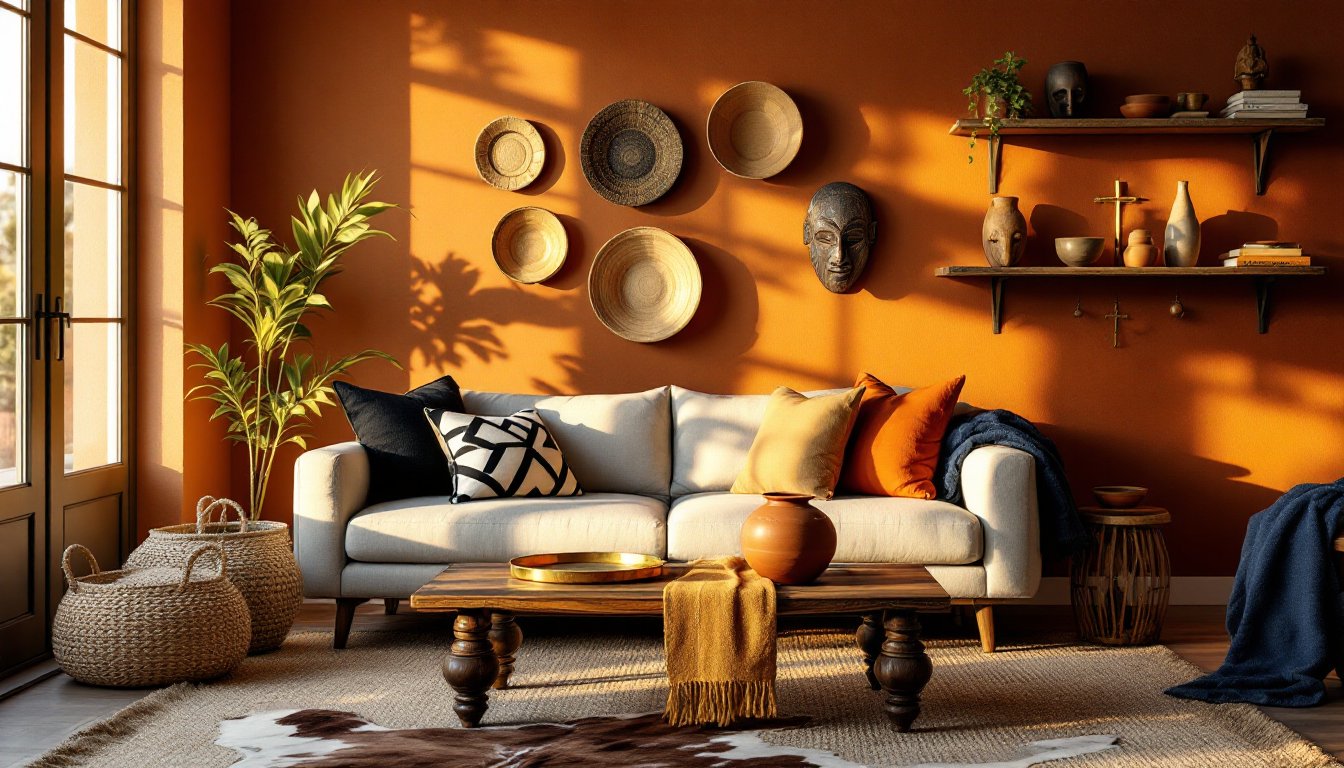
An African-inspired living room brings warmth, texture, and centuries of artistic tradition into a modern home. Unlike the minimalist trends that dominate design blogs, African decor leans into bold patterns, natural materials, and handcrafted pieces that tell a story. It’s not about turning a suburban living room into a museum exhibit, it’s about layering elements that reflect the diversity of a continent spanning 54 countries, each with distinct craft traditions. Done right, the style balances earthy tones with vibrant accents, creating a space that feels both grounded and alive.
African decor isn’t a single aesthetic, it’s a tapestry of influences from regions as varied as Morocco’s Atlas Mountains, West Africa’s Sahel, and Southern Africa’s savannas. The unifying thread is an emphasis on organic materials, handcrafted artistry, and functional beauty.
Unlike Scandinavian minimalism or industrial chic, African-inspired interiors embrace maximalism with purpose. Expect to see mud cloth pillows alongside carved wooden stools, brass metalwork, and woven baskets that double as wall art. The style draws from tribal motifs, geometric patterns, and symbolic imagery, think Adinkra symbols from Ghana or Kuba cloth from the Congo.
Key characteristics include:
This style works well in open-concept spaces with high ceilings and natural light, but it can also warm up smaller rooms when scaled appropriately. The trick is balancing bold statement pieces with breathing room, African decor thrives on contrast, not clutter.
Mud cloth (bògòlanfini) is the heavyweight champion of African textiles. Originating from Mali, it’s hand-dyed with fermented mud, resulting in geometric patterns in black, white, and rust tones. A genuine mud cloth throw pillow or wall hanging runs $40–$150 depending on size and origin, though many retailers offer printed reproductions at lower price points. Look for natural cotton weave and slight color variations, signs of authentic hand-dyeing.
Kente cloth from Ghana offers vibrant, multicolored stripes in silk or cotton. It’s traditionally ceremonial, so use it sparingly, a single kente runner on a coffee table or framed panel makes a statement without overwhelming the room. Ankara wax prints, with their bold florals and abstract motifs, work well as pillow covers or upholstery accents.
Other textiles to consider:
When mixing patterns, stick to a shared color story, earth tones with one or two accent colors (rust, indigo, or mustard) keep the look cohesive.
African interiors prioritize materials pulled straight from the landscape: wood, stone, clay, raffia, sisal, and metal. Furniture and accents should feel tactile, even rough around the edges.
Wood choices matter. Teak, mahogany, and acacia are traditional, often carved into masks, bowls, or low stools. Look for pieces with visible grain and hand-finished surfaces, skip anything overly varnished or uniform. A carved djembe drum can serve as both decor and a side table when topped with a wooden tray.
Metalwork appears in wrought iron, brass, and bronze. Moroccan brass trays, Ethiopian crosses, or West African bronze castings introduce reflective surfaces without the coldness of chrome or stainless steel.
Pottery and ceramics ground the palette. Terracotta vessels, hand-thrown clay pots, and ceramic beads strung as wall hangings add warmth. These pieces often have uneven glazing or visible thumb marks, embrace it.
For flooring, jute or sisal area rugs (8×10 ft typically runs $150–$400) provide texture underfoot and pair well with hardwood or laminate. If budget allows, consider reclaimed wood or bamboo flooring, both echo the natural aesthetic. Avoid high-gloss finishes: matte or satin sheens read more authentic.
Start with a neutral base pulled from the African landscape: sand, clay, stone, or weathered wood tones. These anchors let bolder accents shine without visual chaos.
Primary palette options:
Avoid cool grays or stark whites, they clash with the inherent warmth of African materials. If white is necessary (trim, ceilings), choose warm whites with yellow or cream undertones.
Accent colors should reference natural dyes and minerals:
Paint coverage averages 350–400 square feet per gallon for quality interior latex. One gallon typically handles a 12×12 ft room with two coats. For texture, consider a matte or eggshell finish, it mimics the look of natural clay walls better than satin or semi-gloss.
Test samples on multiple walls and observe them in morning and evening light. African-inspired palettes shift dramatically with natural light, so what looks perfect at noon might read flat at dusk.
African art functions as both decor and cultural artifact. When sourcing pieces, prioritize fair-trade retailers or artisans who credit the origin and craft tradition. Mass-produced “African-style” decor from big-box stores often misses the mark, look for weight, texture, and handwork.
Masks and wall sculptures are the most recognizable elements. Authentic pieces range from $75 to several hundred dollars depending on size, wood type, and carving detail. Mount them using keyhole hangers or French cleats, masks are often heavier than they appear, and standard picture hooks won’t cut it. Secure to wall studs (typically spaced 16 inches on center) for anything over 10 pounds.
Wooden sculptures and figurines work on shelves, mantels, or console tables. Common motifs include elongated figures, fertility symbols, or animals like elephants and giraffes. Group in odd numbers for visual balance.
Woven baskets are versatile. Hang flat-sided versions directly on drywall using small finish nails or adhesive hooks (check weight ratings). Basket clusters should vary in size but maintain a cohesive color palette.
Beadwork and metalwork add smaller accents. Ethiopian silver crosses, Maasai beaded bowls, or Tuareg jewelry can be displayed under glass cloches or on open shelving.
Safety note: Avoid placing heavy sculptures on floating shelves unless they’re rated for the weight and anchored to studs. Hollow-wall anchors work for lighter items (under 5 lbs), but solid wood carvings often exceed that.
Rotate accessories seasonally to keep the space fresh, African decor lends itself to layering, so swapping out a textile or moving a sculpture prevents the room from feeling static.
African-inspired furniture emphasizes low profiles, solid construction, and visible craftsmanship. Think hand-carved stools, drum tables, and seating that sits closer to the ground, traditional African furniture often reflects a floor-sitting culture.
Seating options:
Tables:
Storage:
Material authenticity matters. Solid wood beats veneer every time. Check joinery, mortise-and-tenon or dovetail joints indicate quality construction. Avoid anything held together purely by staples or glue.
For larger furniture purchases, verify dimensions carefully. Many African-inspired pieces run smaller or lower than standard Western furniture. A typical sofa sits 17–18 inches off the ground: a low-profile African-style sofa might be 12–14 inches. Test before buying if possible, especially for primary seating.
Finally, resist the urge to fill every corner. African decor thrives on negative space, let statement pieces breathe, and the room will feel intentional rather than crowded.