Phone:
(701)814-6992
Physical address:
6296 Donnelly Plaza
Ratkeville, Bahamas.

Phone:
(701)814-6992
Physical address:
6296 Donnelly Plaza
Ratkeville, Bahamas.
When someone searches for insulated composite panels, they are not just browsing materials. They are standing at a decision point.
A project is on the table. Budgets are tight. Expectations are high. And the wrong choice can quietly turn into years of regret. Contractors want clarity. Designers want performance without compromise. And everyone wants answers that feel real, not sales-driven.
Let’s slow down and look at them honestly.
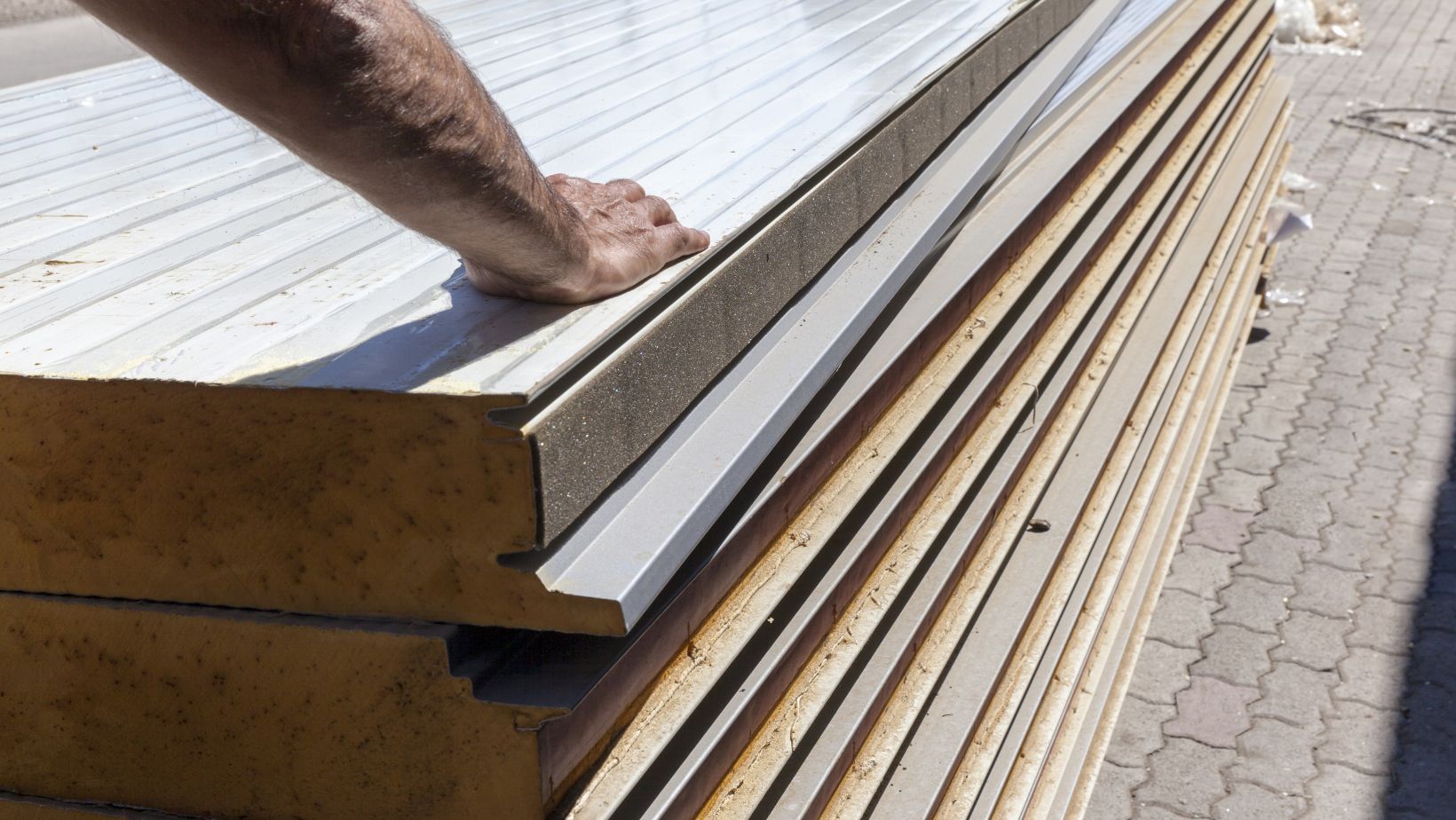
Insulated composite panels are multi-layer building panels. They usually combine two outer skins, often metal, with an insulating core placed in between. The idea is simple but powerful. Structural support on the outside. Thermal control on the inside. One system instead of many layers.
These are typical panels that are applied to industrial buildings, commercial areas, cold storage as well as modern architectural construction projects where time and energy efficiency is a concern.
However, simple does not always mean perfect.
The biggest reason people consider insulated composite panels is efficiency.
They offer strong thermal insulation in a single installed element. That means fewer layers, fewer trades on site, and faster enclosure of the building. For contractors, this often translates into shorter timelines. For designers, it means predictable performance.
Another major benefit is consistency. Because these panels are factory-made, insulation quality is controlled. There is less guesswork compared to on-site insulation systems that depend heavily on workmanship.
Weight is another advantage. Compared to traditional wall assemblies, composite panels with insulation are relatively lightweight. This can reduce structural load and simplify foundation requirements.
Energy performance also matters. These panels can significantly reduce heat transfer when specified correctly, helping buildings meet modern energy codes with less complexity.
Insulated panels are not always flexible in design. While finishes and profiles exist, they can limit architectural freedom compared to custom cladding systems. Designers who want deep textures, curves, or layered façades may feel restricted.
Repair can also be an issue. If one panel is damaged, replacing it is not as simple as patching a traditional wall. Entire sections may need removal to maintain continuity.
Fire performance depends heavily on the core material. Keep in mind that not all insulated composite panels behave the same under fire exposure. This is a critical point that must be evaluated carefully, especially for high-occupancy buildings.
Cost is another reality. While installation can be faster, upfront material costs can be higher than some traditional systems. The long-term value is there, but only when the panel is truly suited to the project.
This comparison comes up often, and for good reason.
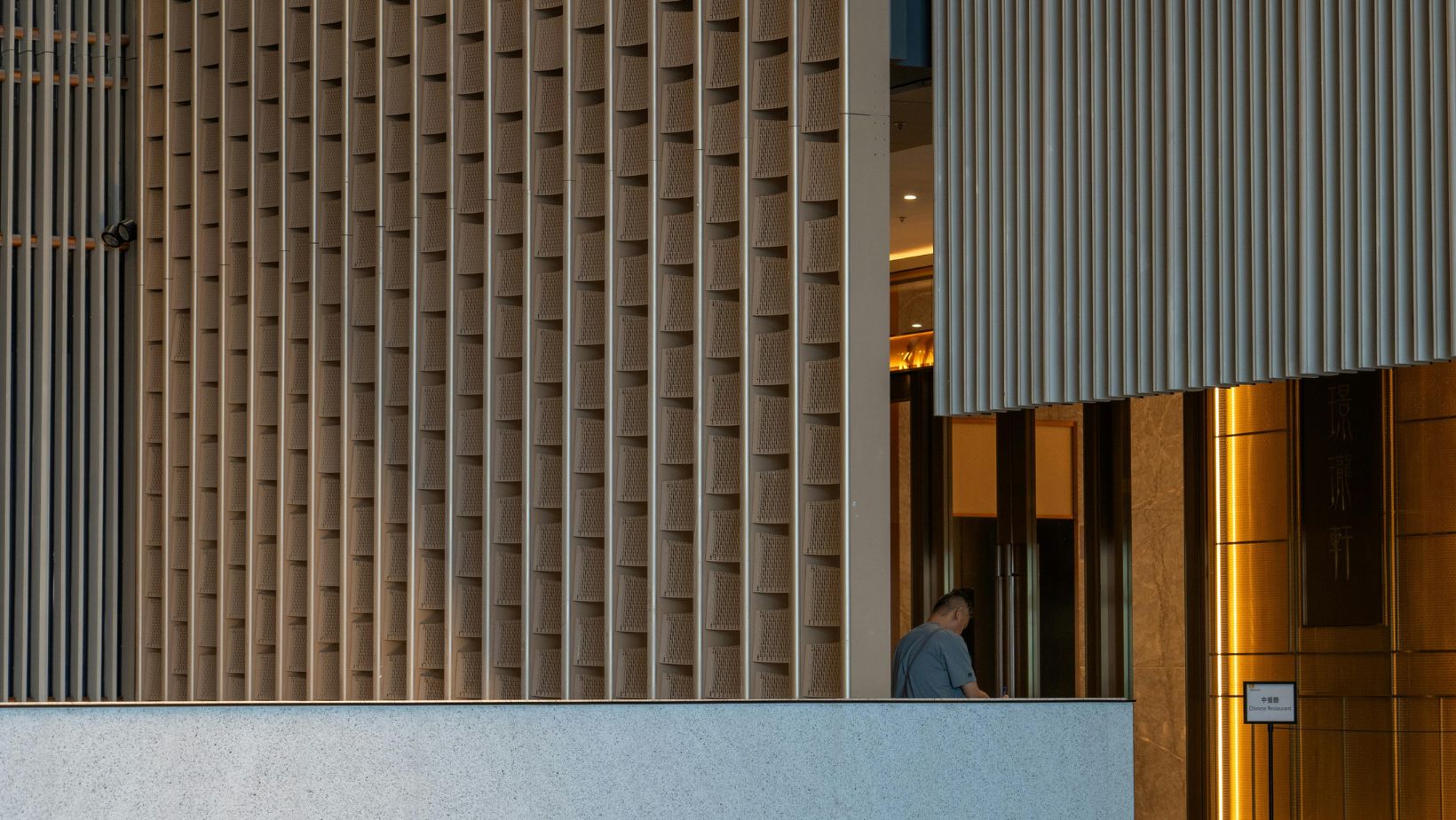
Pure aluminum alloy panels are concerned about durability, corrosion resistance and design freedom. They are glamorous in architectural fronts where design, durability and tailor made are more important than thermal efficiency.
Insulated composite panels focus on performance first. They combine structure and insulation into one system. Aluminum alloy panels usually require separate insulation layers behind them.
If thermal efficiency is a top priority and speed of installation matters, insulated composite panels often make sense.
If design flexibility, surface detailing, and long-term façade aesthetics lead the project goals, pure aluminum alloy systems may be the better path.
Neither option is “better” in general. The better choice depends on what the building actually needs.
The smartest decisions start with the right questions.
Insulated composite panels work best when they are chosen for the right reasons, not because they are trendy or convenient.
A warehouse, production facility, or logistics center has very different needs than a high-end commercial façade. When performance and efficiency drive the brief, these panels often deliver real value.
But when design storytelling, texture, and future modifications matter, simpler materials paired with traditional insulation may serve better.
No panel system fixes a bad decision.
Insulated composite panels are powerful tools, not universal solutions. When used correctly, they reduce complexity and increase predictability. When used blindly, they can lock a project into limitations that show up later.
The best projects are not built from materials alone. They are built from understanding.
Are insulated composite panels suitable for all building types?
No. They perform best in projects where thermal efficiency, speed of installation, and controlled performance matter more than deep architectural customization. Industrial and commercial buildings benefit most.
Do insulated composite panels always save money long term?
Not automatically. They can reduce labor and energy costs, but only when the panel system aligns with the building’s functional needs and local code requirements.
How do I know if insulated composite panels are better than aluminum alloy panels for my project?
Look at the priority. If insulation and fast enclosure lead the project goals, insulated composite panels are often the right fit. If visual design flexibility and façade longevity matter more, aluminum alloy systems may be the better decision.
