Phone:
(701)814-6992
Physical address:
6296 Donnelly Plaza
Ratkeville, Bahamas.
Phone:
(701)814-6992
Physical address:
6296 Donnelly Plaza
Ratkeville, Bahamas.
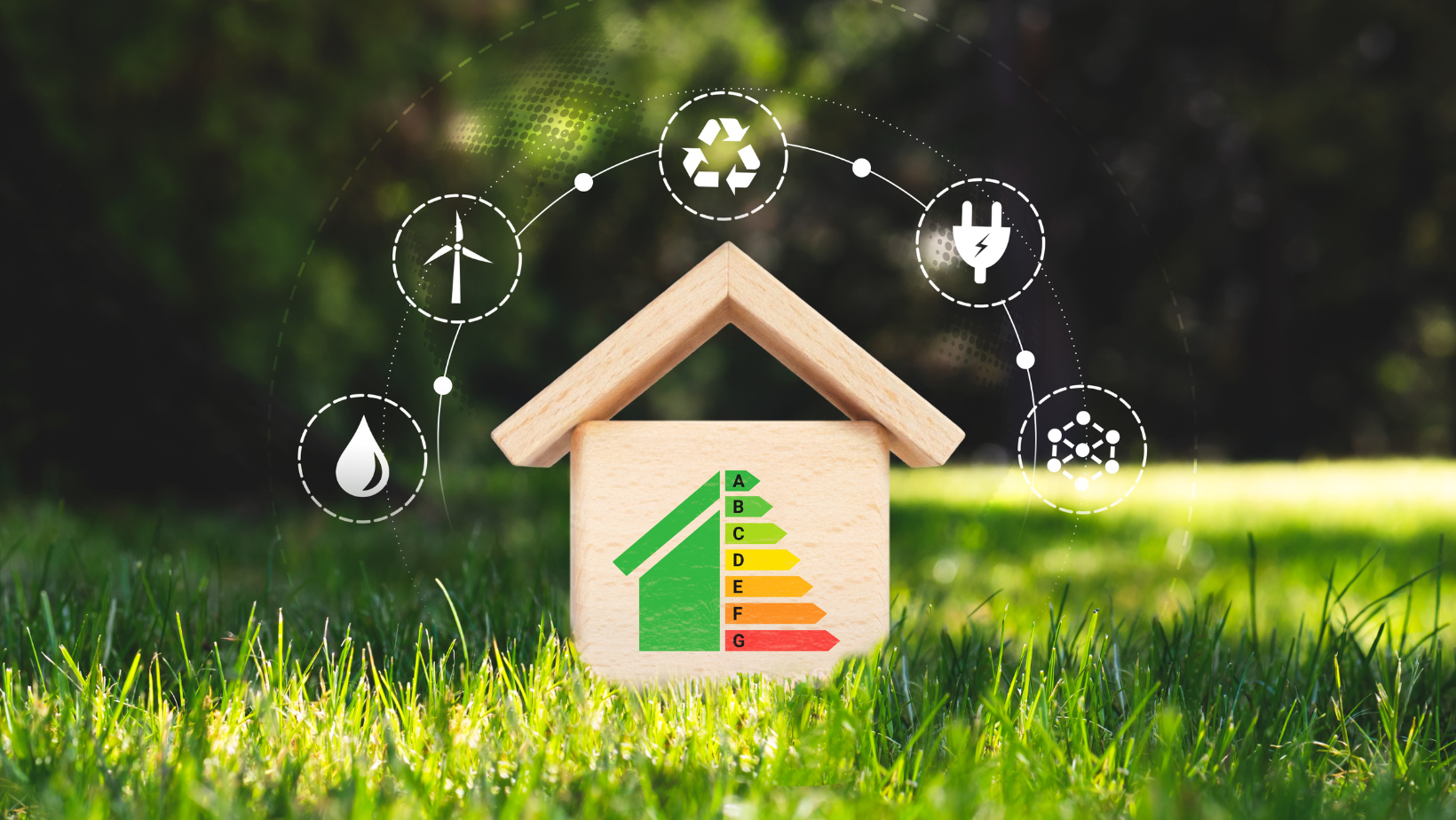
Rising energy costs are motivating homeowners to invest in efficiency upgrades that reduce both environmental impact and monthly utility bills. While sustainability matters, the most compelling argument for energy – efficient improvements is simple economics – these upgrades literally pay for themselves over time through reduced operating costs.
The best energy – efficient home improvements deliver triple benefits: immediate comfort improvements, ongoing cost savings, and increased property value. This is a complete look at upgrades that meet the gold standard of sustainable home improvement – they pay for themselves while making your home more comfortable and valuable.
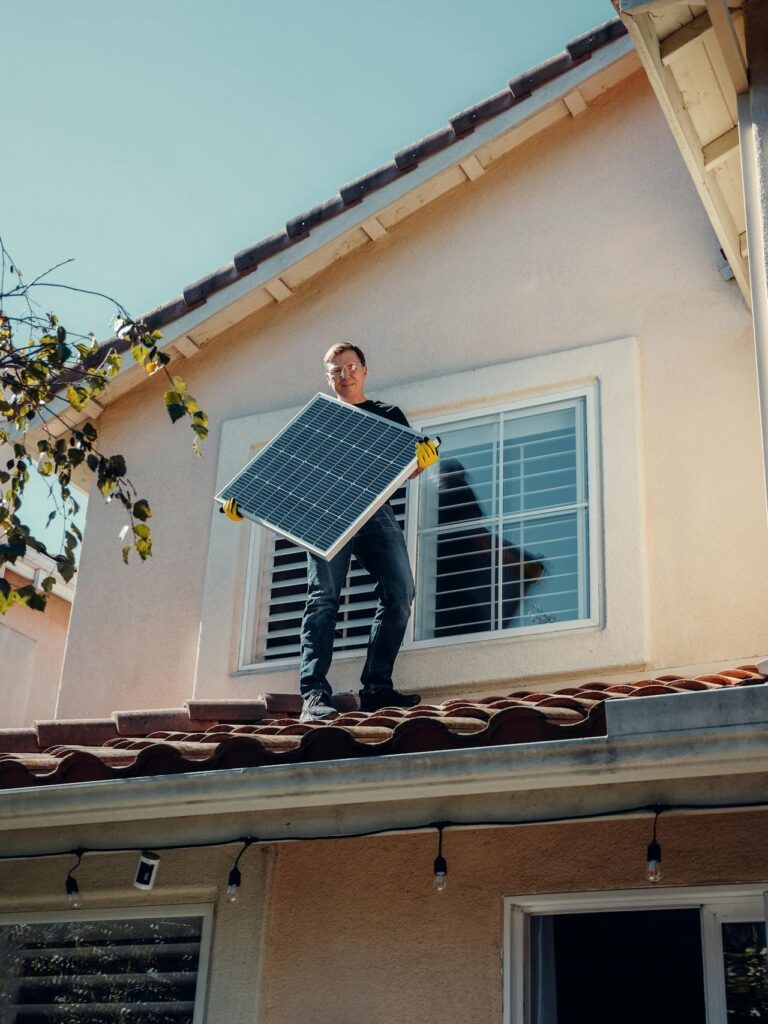
Solar photovoltaic systems represent the most dramatic energy upgrade available to homeowners. While initial costs are substantial-$15,000-$30,000 for typical residential installations – federal tax credits currently cover 30% of system costs through 2032. Many states and utilities offer additional incentives that further reduce net costs.
Average payback periods range from 6-8 years depending on local electricity rates and sun exposure. After payback, solar systems provide essentially free electricity for their remaining lifespan – typically 25+ years. Most systems increase home values by 3-4%, meaning much of your investment is recouped even if you sell before payback completion.
Net metering in many jurisdictions allows selling excess power back to utilities, further improving economic returns. Battery storage systems add resilience during outages while maximizing self – consumption of generated power, though they extend payback periods by 3-5 years.
Heating and cooling typically represent 40-60% of home energy consumption, making HVAC efficiency upgrades impactful. Modern high – efficiency systems use 30-50% less energy than older equipment while providing superior comfort and air quality.
Heat pump technology has advanced dramatically, now providing efficient heating even in cold climates where they previously struggled. These systems move heat rather than generating it, using electricity far more efficiently than resistance heating. Air – source heat pumps work well in moderate climates, while ground – source (geothermal) systems deliver even greater efficiency at higher upfront costs.
SEER ratings indicate cooling efficiency – modern systems range from 13 SEER (minimum) to 25+ SEER (premium). Each SEER point improvement reduces cooling costs by approximately 5%. Heating efficiency is measured by HSPF ratings, with higher numbers indicating better performance.
Smart thermostats complement efficient HVAC equipment by optimizing operation schedules and temperatures. These devices learn your patterns and preferences, then automatically adjust settings to minimize energy use while maintaining comfort. Many models qualify for utility rebates that cover much or all of their $100-$250 cost.
Regular maintenance is essential for efficiency. Annual service ensures systems operate at peak performance, extending equipment life while maintaining efficiency. Budget $100-$200 annually for professional maintenance – it’s money well spent protecting your HVAC investment.
Typical payback periods for high – efficiency HVAC range from 5-10 years depending on climate, usage patterns, and replaced equipment age. In extreme climates with high heating or cooling loads, payback can occur even faster.
Insulation improvements often deliver the fastest payback of any energy upgrade. Attic insulation upgrades can return 100% or more of their cost through energy savings, often paying for themselves within 2-3 years.
Air sealing addresses the gaps, cracks, and penetrations that allow conditioned air to escape. Even well – insulated homes waste significant energy if they’re not properly sealed. Professional energy audits using blower door tests identify specific leakage points for targeted sealing.
Spray foam insulation gives both insulation and air sealing in a single application. While more expensive than traditional fiberglass – typically $1.50-$3.50 per square foot versus $0.50-$1.50-it delivers superior performance and addresses air leakage simultaneously.
Prioritize insulation improvements in this order: attic first (where heat loss is greatest), then walls, finally floors and crawl spaces. This sequencing maximizes early returns, generating savings that can fund subsequent phases.
Comfort improvements from insulation upgrades often exceed energy savings in homeowner satisfaction. Eliminating drafts, reducing temperature variations between rooms, and minimizing outdoor noise transmission all contribute to noticeably improved living environments.
Window replacement is among the most expensive efficiency upgrades but also among the most visible. Modern double or triple – pane windows with low-E coatings reduce heat transfer by 50-70% compared to single – pane windows.
The economics of window replacement depend heavily on what you’re replacing. Upgrading from single – pane to efficient double – pane windows in cold climates can pay back within 10-15 years. Replacing relatively new double – pane windows rarely makes economic sense based on energy savings alone.
Look beyond energy savings when evaluating window upgrades. Noise reduction, UV protection for furnishings, reduced condensation, and improved aesthetics all add value that pure energy calculations miss. In many cases, these non – energy benefits justify upgrades even when strict payback periods are long.
Insulated entry doors provide similar benefits – reduced heat loss, improved comfort, and enhanced curb appeal. Quality fiberglass or steel doors with foam cores cost $500-$2,000 installed but last decades while reducing drafts and energy loss.
Federal tax credits and utility rebates often apply to window and door upgrades, improving economic returns. Research available incentives before purchasing to maximize savings.
LED technology has matured to the point where there’s virtually no reason to use incandescent or even CFL bulbs. LEDs consume 75-80% less energy than incandescent bulbs while lasting 25,000-50,000 hours versus 1,000 hours for incandescent.
The payback on LED upgrades is typically 1-2 years – among the fastest of any efficiency improvement. A $5 LED bulb saves $50-$100 in energy costs over its lifetime while eliminating the hassle of frequent bulb replacement.
Beyond basic bulbs, smart LED systems enable control, scheduling, and automation that further reduce energy use. These systems allow turning off forgotten lights remotely, scheduling lights to match occupancy patterns, and adjusting brightness to match needs rather than running at full power constantly.
Color temperature matters for comfort. Choose warm whites (2700-3000K) for living areas and bedrooms, bright whites (3500-4100K) for kitchens and bathrooms, and daylight (5000-6500K) for task lighting and detail work.
While not traditionally considered energy upgrades, infrared saunas represent efficient wellness investments that deliver health benefits while using minimal energy. For homeowners building complete wellness spaces, understanding sauna energy efficiency is valuable.
Traditional saunas require 6,000-8,000 watts and 30-45 minutes of preheating, consuming substantial electricity for each session. In contrast, infrared saunas operate on just 1,600 watts – the same as a hair dryer – and reach operating temperature in 10-15 minutes.
Operating costs for infrared saunas typically run $0.20-$0.50 per session. For someone using their sauna daily, annual energy costs are just $75-$180-remarkably affordable for a luxury wellness amenity. Many units plug into standard 120V outlets, requiring no expensive electrical upgrades.
The health ROI extends beyond simple energy efficiency. Regular sauna use supports cardiovascular health, promotes detoxification, reduces stress, improves sleep quality, and aids muscle recovery. For health – conscious homeowners, these benefits represent genuine value even without traditional financial payback.
Maxxus Saunas specifically engineer their infrared models for energy efficiency, using advanced low-EMF heating elements that maximize therapeutic output while minimizing electricity consumption. Their insulated construction retains heat effectively, reducing the energy needed to maintain operating temperature.
Beyond energy efficiency, infrared saunas add home value as luxury amenities. In health – conscious markets, quality sauna installations can return 50-70% of their cost at resale while providing daily wellness benefits during ownership.
On – demand water heating eliminates the standby energy losses inherent in traditional tank water heaters. Tankless units heat water only when needed, avoiding the constant reheating that makes tank heaters inefficient.
Energy savings from tankless heaters range from 24-34% compared to traditional tanks, with greater savings for homes with lower hot water usage. Tankless units also last considerably longer-20+ years versus 10-15 years for tank heaters – reducing replacement frequency and associated costs.
Higher upfront costs-$1,500-$3,500 installed versus $800-$1,500 for tank heaters – extend payback periods to 7-12 years. However, longer lifespan means most homeowners recoup investments through combined energy savings and avoided replacement costs.
Endless hot water supply is a significant non – energy benefit. Large families appreciate never running out of hot water during morning routines or when hosting guests.
Phantom loads – energy consumed by devices in standby mode – can represent 5-10% of residential electricity use. Smart power strips automatically cut power to devices when they’re not in use, eliminating these hidden energy drains.
These strips cost $20-$50 but pay for themselves within 1-2 years through eliminated phantom loads. They’re valuable for entertainment centers where multiple devices-TVs, gaming consoles, receivers, streaming boxes – consume power even when “off.”
Whole – home energy monitoring systems provide real – time visibility into energy consumption patterns. This awareness naturally leads to behavior changes that reduce usage. Many homeowners find monitoring systems pay for themselves just by revealing inefficient equipment or wasteful habits that were previously invisible.
Calculate cumulative savings when evaluating multiple efficiency upgrades. Individual improvements might have modest impacts, but combined effects can reduce energy bills by 30-50% or more. A home that implements solar, efficient HVAC, complete insulation, and LED lighting could easily slash utility costs by half.
Research available incentives before purchasing. Federal tax credits, state rebates, utility incentive programs, and low – interest financing can dramatically improve economic returns on efficiency investments. The Database of State Incentives for Renewables and Efficiency (DSIRE) gives complete information on available programs.
Consider energy – efficient mortgages if purchasing or refinancing. These programs allow borrowing additional amounts for efficiency improvements, recognizing that lower operating costs improve affordability despite slightly higher mortgage payments.
Prioritize upgrades by payback period when budget – constrained. Start with quick wins like LED lighting and air sealing, then tackle longer – payback improvements like HVAC and windows. This sequencing generates early savings that can fund subsequent phases.
Energy – efficient homes provide value that extends beyond reduced utility bills. Enhanced comfort, improved indoor air quality, reduced maintenance requirements, and environmental benefits all contribute to homeowner satisfaction. Many people find their quality of life improves noticeably in efficient homes – more consistent temperatures, fewer drafts, quieter interiors.
Property value impacts are increasingly significant. As energy costs rise and environmental awareness grows, buyers actively seek efficient homes. Many markets show clear price premiums for homes with solar panels, efficient HVAC, and complete insulation upgrades.
Climate resilience is an emerging consideration. Efficient homes maintain comfortable temperatures longer during power outages. Well – insulated, airtight homes with efficient HVAC recover faster after temperature excursions. In extreme weather events, this resilience can mean the difference between minor inconvenience and genuine hardship.
The most successful efficiency upgrades are those that deliver immediate comfort improvements alongside long – term savings. When you can feel the difference daily – warmer floors, consistent temperatures, fresher air – the investment satisfaction extends well beyond abstract energy savings. Combined with genuine economic returns, these upgrades represent some of the smartest investments homeowners can make.
