Phone:
(701)814-6992
Physical address:
6296 Donnelly Plaza
Ratkeville, Bahamas.

Phone:
(701)814-6992
Physical address:
6296 Donnelly Plaza
Ratkeville, Bahamas.
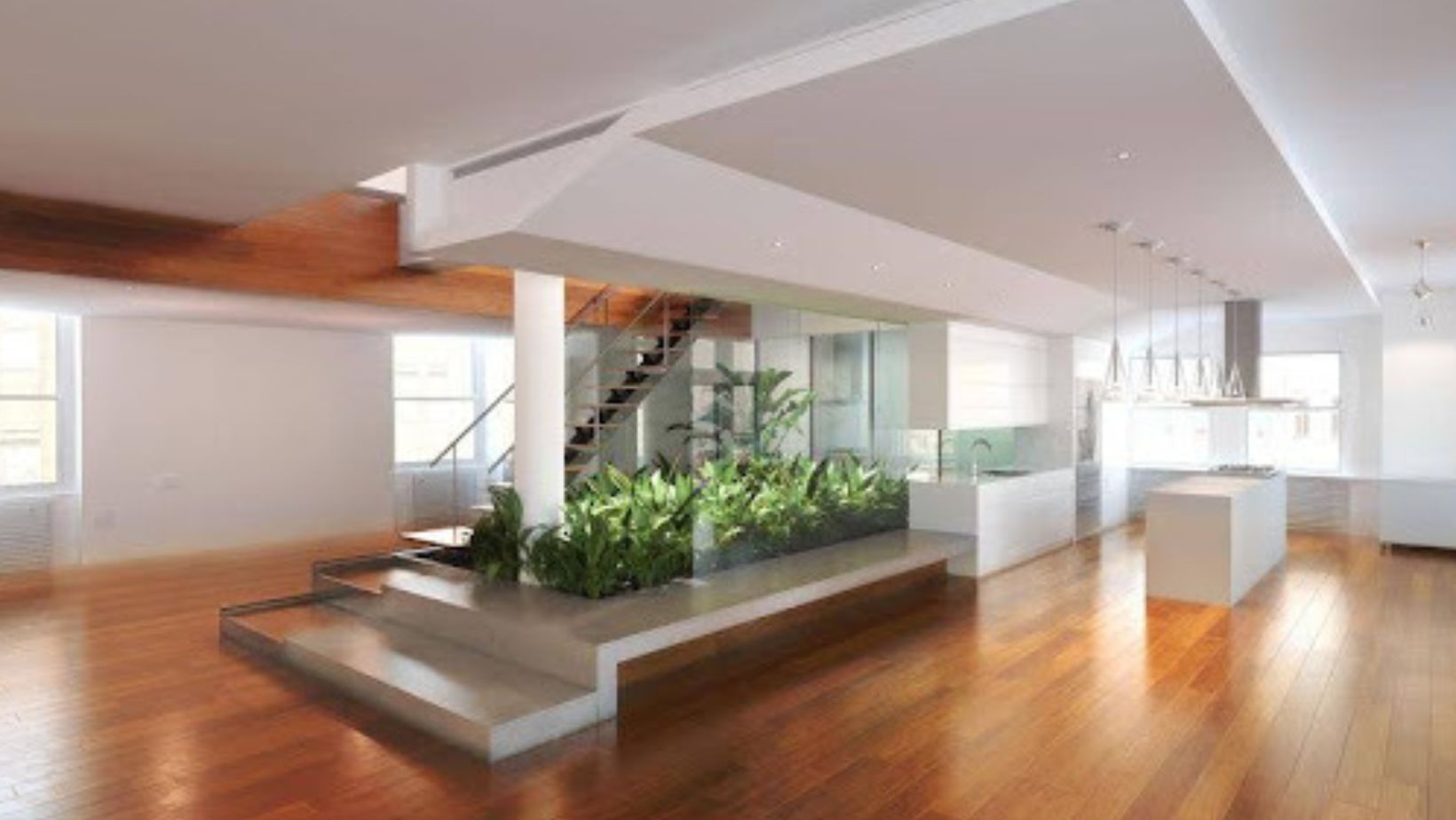
Renovating hardwood floors can feel overwhelming with so many product labels and opinions. The varnish you choose does more than add shine: it changes how the wood looks, how it handles daily wear, and how much maintenance you will need over time. A well-chosen varnish can enhance the wood’s natural grain, protect it from scratches, and help the floor get old properly rather than show marks too easily.
This guide explains how to choose the right varnish for hardwood floors by breaking down types and lifestyle factors. The goal is to help homeowners and renovators make a confident, informed decision that balances aesthetics with long-term protection for wood floors.
Hardwood floors are a long-term investment, and varnish is their first line of defense. The right floor finish protects against everyday challenges like foot traffic, spills, and minor impacts. Moisture resistance is especially important in entryways, kitchens, and living areas, where water and dirt are common.
Varnish also shapes the visual outcome. Some finishes deepen the wood’s tone and highlight grain patterns, while others keep a lighter, more natural appearance.
Over time, these differences become more noticeable. A suitable varnish helps a floor develop character evenly, while a poor choice can lead to uneven wear, visible scratches, and frequent touch-ups. This is why professionals stress that selecting the right varnish is just as important as having the work handled by an expert in hardwood floors installation, sanding, and repair .
Understanding the main options makes comparison easier and keeps expectations realistic.
Water-based varnishes are popular for good reason. They dry fast, give low odor during application, and keep the wood’s original tones. That makes them a practical choice for occupied homes where you can’t shut rooms for days. They are durable enough for most rooms, though extremely busy hallways might show wear sooner than oil-based options.
Oil-based varnishes create a richer, warmer finish that deepens over time. They are known for strong durability and good resistance to wear, making them a solid choice for busy households.
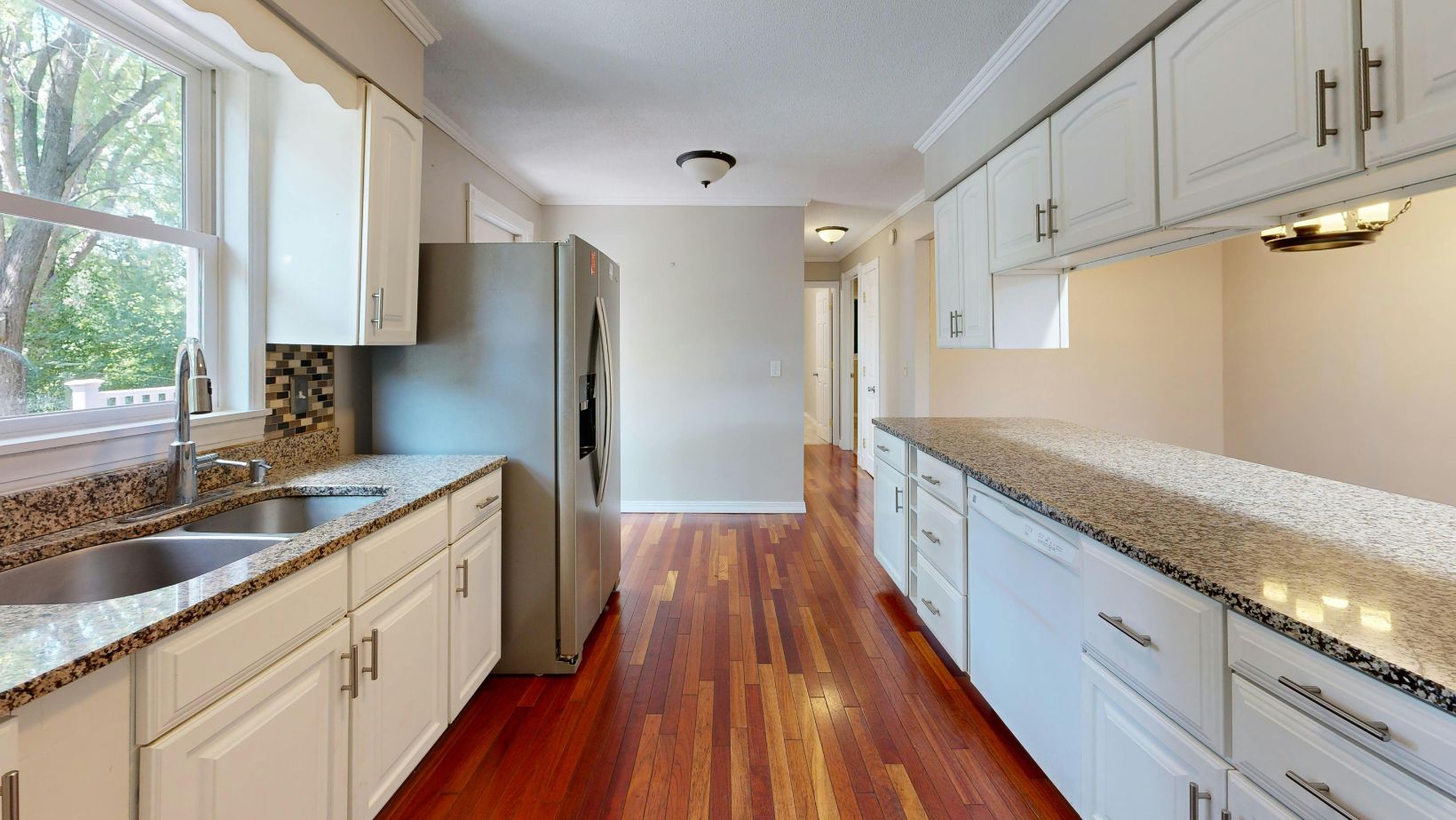
The downsides are longer drying times and stronger fumes while curing. You must plan for a few extra days of ventilation if you go this route.
Sheen level affects both appearance and maintenance:
Matte finishes reduce reflections and help hide small scratches, offering a natural, understated look.
Satin finishes balance subtle shine with easier maintenance, making them a common all-around choice.
Gloss finishes reflect more light and highlight grain details, but they also make marks and dust more visible.
Choose the sheen that fits how polished you want your space to look.
Your daily routine should guide the decision. Homes with children or pets benefit from durable varnishes that resist scratches and are easy to clean. High-traffic areas like hallways may require tougher wood floor protection, even if other rooms use a lighter finish.
If you plan a DIY project, water-based varnishes are generally more forgiving, with faster drying times and easier cleanup. Professional projects can accommodate oil-based finishes, which may require specialized equipment and experience. Also consider local repairability: some finishes allow spot repairs, while others need full re-coating. Matching the varnish to your lifestyle reduces long-term stress and maintenance costs.
A common mistake to avoid is choosing varnish solely based on color or sheen without considering durability. Another is underestimating maintenance requirements; some finishes need regular care to look their best. Skipping a test application on a discreet area can lead to surprises once the entire floor is coated. Finally, ignoring drying and curing times can disrupt schedules and affect the final result. Careful planning prevents these issues.
Choosing the right hardwood floor varnish means balancing aesthetics, durability, and the way your household actually lives. By understanding varnish types, sheen levels, and lifestyle needs, homeowners can make informed decisions that protect their floors and keep them looking good for years. A thoughtful choice today leads to a floor that performs well and ages beautifully. Save yourself the stress and cost of replacing your floors every few years.
