Phone:
(701)814-6992
Physical address:
6296 Donnelly Plaza
Ratkeville, Bahamas.
Phone:
(701)814-6992
Physical address:
6296 Donnelly Plaza
Ratkeville, Bahamas.
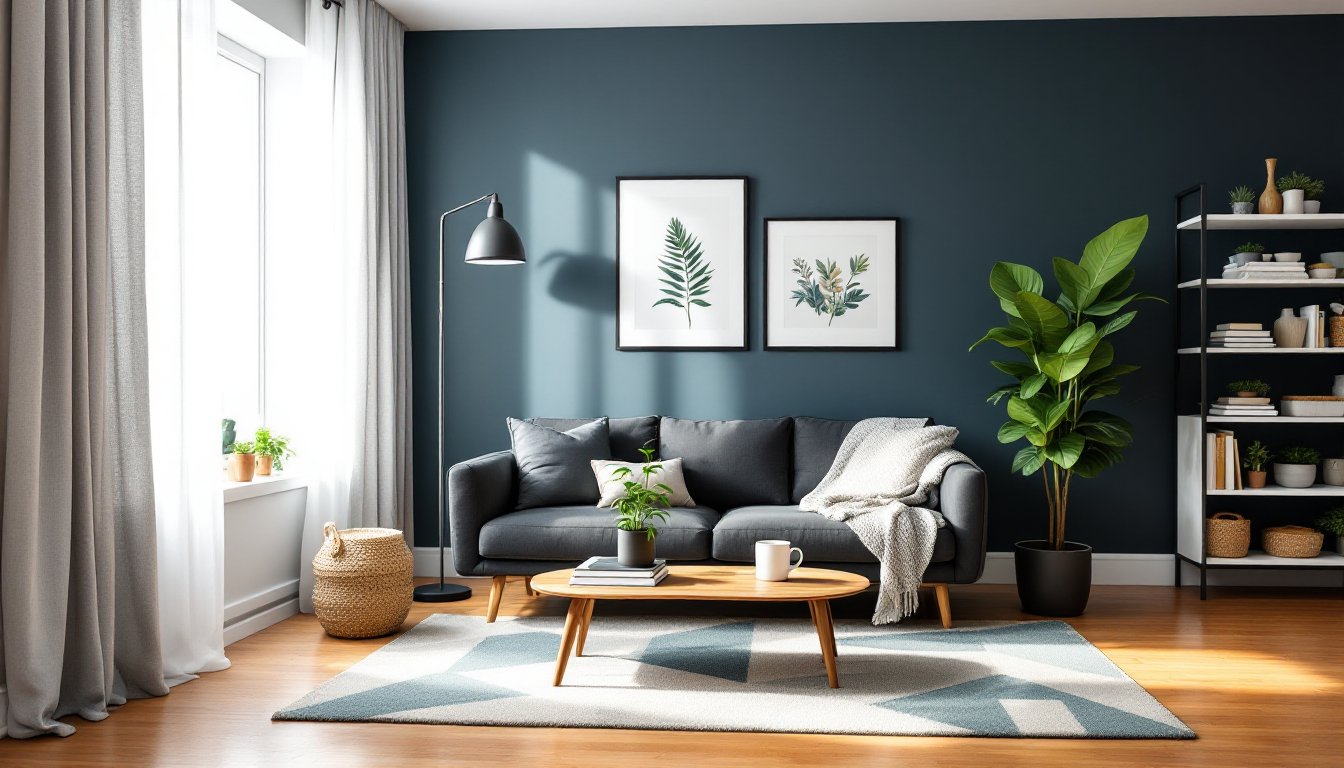
Decorating an apartment living room requires more than good taste, it demands smart spatial strategy. Between landlord restrictions, limited square footage, and awkward layouts, renters face unique constraints that homeowners rarely consider. But those limitations don’t mean settling for bare walls and hand-me-down furniture. With the right approach to furniture selection, color application, and spatial planning, even a cramped studio or boxy one-bedroom can feel curated and functional. This guide cuts through the Pinterest fluff and focuses on practical techniques that work within rental agreements and tight budgets.
The fastest way to ruin a small apartment living room is overstuffing it with furniture scaled for a suburban house. Standard three-seat sofas measure 84–90 inches wide, far too large for most rental units.
Renters should prioritize multi-functional pieces that earn their footprint. Storage ottomans double as coffee tables and hide throw blankets. Apartment-scale sofas (72–76 inches) fit snugly against walls without blocking walkways. Wall-mounted drop-leaf tables fold flat when not in use, ideal for tight dining zones.
Vertical storage is critical when floor space runs short. Floor-to-ceiling bookcases (typically 72–84 inches tall) draw the eye upward and maximize storage density without consuming more square footage. Look for units with adjustable shelves to accommodate books, baskets, and decorative objects.
Furniture with exposed legs creates visual breathing room. Sofas and chairs that sit on legs rather than solid bases allow light to pass underneath, making the room feel less cluttered. This principle applies to media consoles, side tables, and credenzas, anything resting directly on the floor adds visual weight.
Nesting tables offer flexibility without commitment. A set of two or three tables can be separated when guests visit, then stacked to recover floor space. Similarly, modular sectionals with detachable components adapt to different layouts as renters move between units.
Most rental agreements prohibit permanent wall alterations, but paint is often negotiable. Renters should check their lease, many landlords allow painting if tenants return walls to the original color at move-out.
Accent walls add depth without overwhelming small rooms. Painting the wall behind a sofa or media console in a darker shade (navy, charcoal, deep green) creates a focal point and makes the space feel intentional. Lighter surrounding walls prevent the room from feeling enclosed.
For strict no-paint leases, removable peel-and-stick wallpaper offers a workaround. Quality brands like Tempaper or Chasing Paper adhere without damaging drywall and peel off cleanly. Choose subtle textures or muted patterns, bold geometrics can shrink a room visually.
Lighting transforms spatial perception more effectively than almost any other design element. Layered lighting, a combination of ambient, task, and accent sources, prevents the flat, institutional feel that overhead-only lighting creates.
Start with a floor lamp (60–72 inches tall) positioned in a corner to bounce light off the ceiling. Add table lamps on side tables or consoles to create pools of light at eye level. If the lease allows, swapping builder-grade overhead fixtures for a statement pendant light or chandelier (ensure the mounting bracket doesn’t exceed the existing junction box capacity) adds personality without requiring electrical work.
Dimmer switches are renter-friendly upgrades. Battery-powered smart bulbs (Philips Hue, LIFX) offer dimming and color temperature control without rewiring. Warmer color temperatures (2700–3000K) feel inviting in living spaces: cooler temps (3500–4000K) work better for task lighting.
Studio apartments and open-plan layouts blur the line between living, dining, and sleeping areas. Without walls, renters must use furniture and visual cues to establish boundaries.
Area rugs are the most effective zoning tool. A 5×8-foot or 6×9-foot rug anchors a seating area and signals where the living zone begins and ends. The front legs of sofas and chairs should rest on the rug, not just the coffee table, this unifies the grouping. In open layouts, a second smaller rug (4×6 feet) under a dining table creates a distinct eating zone.
Rug pads are non-negotiable on hardwood or laminate floors. They prevent shifting and protect the floor surface from wear, critical when security deposits are on the line.
Open shelving units (not solid bookcases) work as room dividers without blocking light. A 60-inch-tall shelf unit placed perpendicular to a wall separates a sleeping nook from the main living area while maintaining sightlines. Load both sides with decor to make the divider functional from every angle.
Sofas themselves can define zones. Floating a sofa a few feet from the wall, rather than shoving it against the perimeter, creates a conversation area and subtly separates it from the dining or entry zone behind it. This works best in units with at least 200 square feet of living space: tighter quarters benefit more from perimeter furniture placement.
Bare walls scream temporary, but renters must balance personalization with damage-free mounting. Nails and screws leave holes that require patching and paint touch-ups at move-out.
Command Strips (by 3M) hold surprisingly heavy loads when applied correctly. The large picture-hanging strips support up to 16 pounds per set, enough for most framed prints and canvases. Follow the instructions precisely: clean the wall with rubbing alcohol, wait for full adhesive cure time (usually one hour), and press firmly for 30 seconds.
For heavier pieces like mirrors or gallery frames, picture rail molding offers a damage-free alternative. These systems use a rail mounted near the ceiling (usually with anchors into studs at 16-inch centers) and adjustable cables or rods to hang artwork. Renters may need landlord approval for rail installation, but it’s less invasive than scattered nail holes.
Gallery walls work in apartments when executed with restraint. Stick to odd-numbered groupings (three, five, or seven pieces) and maintain consistent spacing, 2–3 inches between frames prevents visual chaos. Lay out the arrangement on the floor first, then transfer measurements to the wall.
Leaning artwork sidesteps wall damage entirely. Large-scale prints (24×36 inches or larger) lean against the wall on a console, mantel, or floor. Layer smaller frames in front for depth. This approach works best on walls without heating vents or high foot traffic.
Mirrors amplify light and expand perceived space. A 24×36-inch or larger mirror opposite a window reflects natural light deeper into the room. Avoid mirroring walls adjacent to windows, this creates glare rather than balanced brightness.
Flat, monochromatic rooms feel unfinished regardless of furniture quality. Texture adds dimension and warmth without requiring bold color or pattern.
Start with throw pillows in varied materials: linen, velvet, cotton, woven textiles. Mix sizes, pair 22-inch Euro squares in back with 18-inch or 20-inch standard squares in front. Odd numbers (three or five pillows) feel more natural than symmetrical pairs.
Throw blankets draped over sofa arms or folded on ottomans introduce softness. Choose materials appropriate to climate: chunky knit or faux fur for colder regions, lightweight cotton or linen for warmer areas.
Window treatments add texture vertically. Curtains hung high and wide, mount the rod 4–6 inches above the window frame and extend it 6–8 inches beyond each side, make ceilings appear taller and windows larger. Floor-length panels (hanging ½ inch above the floor) create clean lines. Renters can use tension rods inside window frames for a no-drill solution, though this limits the height and width benefits.
Layering rugs adds depth, particularly in larger spaces. Place a smaller patterned rug (4×6 feet) over a larger neutral jute or sisal rug (6×9 or 8×10 feet). Ensure at least 6–12 inches of the base rug is visible on all sides.
Baskets and woven storage hide clutter while contributing texture. Seagrass, rattan, or wicker baskets under consoles or beside sofas store remotes, magazines, and throws. Choose baskets with handles for easy mobility.
Living plants improve air quality and soften hard edges in furniture-heavy rooms. Renters don’t need a green thumb, many species tolerate neglect and low light.
Pothos, snake plants (Sansevieria), and ZZ plants thrive in indirect light and forgive inconsistent watering. Pothos trail beautifully from shelves or hanging planters, while snake plants grow vertically in corners without sprawling.
Pot selection matters as much as plant choice. Ceramic or terracotta pots with drainage holes prevent root rot. Place saucers underneath to protect floors and furniture from water damage, critical in rentals. Self-watering pots with built-in reservoirs reduce maintenance for travelers or busy renters.
Grouping plants at varying heights creates visual interest. Tall floor plants like fiddle-leaf figs or rubber trees (48–72 inches) anchor corners. Medium tabletop plants (12–24 inches) sit on side tables or consoles. Small succulents (4–6 inches) cluster on shelves or windowsills.
If natural light is scarce, grow lights extend plant options. LED grow bulbs fit standard lamps and provide the spectrum plants need without the energy draw of older fluorescent models.
Natural wood elements warm up rooms dominated by metal and glass. A reclaimed wood coffee table or live-edge console introduces organic texture. Wooden bowls, trays, or sculptural objects on shelves and tables echo the effect without major furniture investment.
Woven wall hangings (macramé, rattan, or jute fiber) add tactile interest. Mount them with Command Strips or lean oversized pieces against the wall for a no-damage option.
Apartment living rooms don’t require huge budgets or permanent renovations to feel finished. Strategic furniture scaling, intentional lighting layers, and damage-free mounting solutions let renters personalize without sacrificing security deposits. Focus on multi-functional pieces, vertical storage, and texture over trend-chasing. The result is a space that feels curated, not crammed, no matter how many times the lease gets renewed.