Phone:
(701)814-6992
Physical address:
6296 Donnelly Plaza
Ratkeville, Bahamas.
Phone:
(701)814-6992
Physical address:
6296 Donnelly Plaza
Ratkeville, Bahamas.
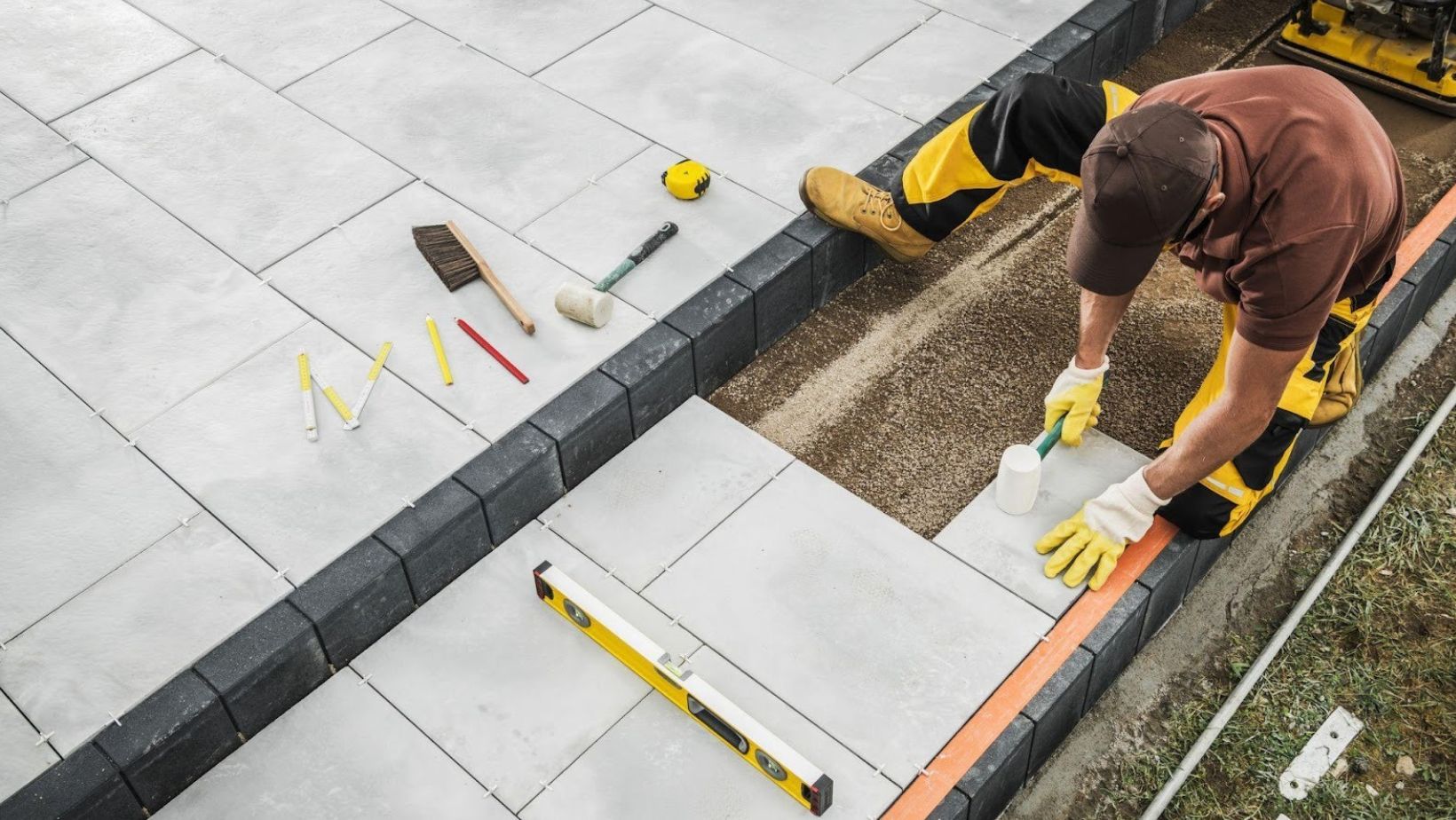
Designing an outdoor space that performs as well as it looks begins with one critical decision: material selection. Whether you are planning a patio, walkway, or full landscape build, the materials you choose will determine how your space holds up over time.
At Bloomstone Home, the focus is on creating outdoor environments that remain structurally sound and visually consistent through changing seasons. That starts with understanding how materials behave in real conditions, not just how they appear on installation day.
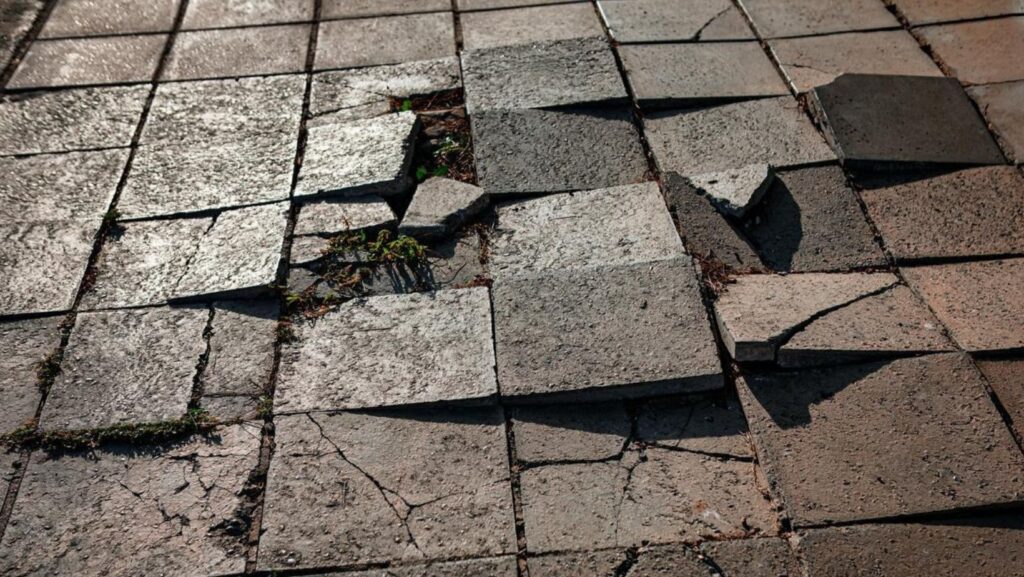
Many outdoor spaces begin to show signs of failure within a few years. In most cases, the issue is not the design. It is the materials used and how they were applied. Common problems tied to poor material selection include:
Well-selected materials provide:
A durable outdoor space is built from the ground up, and every layer contributes to its performance.
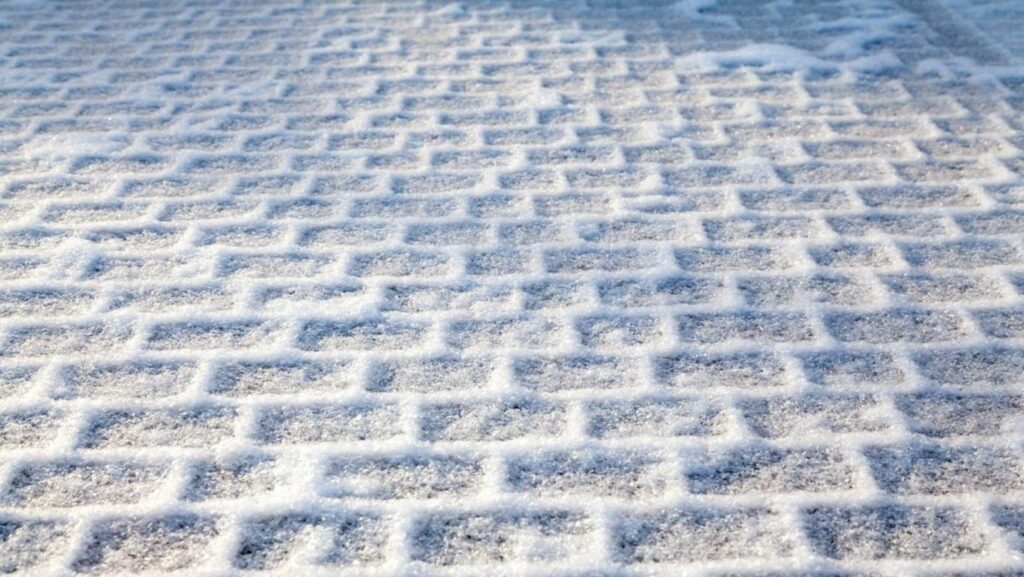
Outdoor materials are constantly exposed to moisture and temperature changes. In colder regions, freeze-thaw cycles are one of the most damaging forces. When water enters a material and freezes, it expands. Over repeated cycles, this expansion can cause cracking, scaling, and surface deterioration. A clear explanation of how freeze-thaw damage occurs in construction materials outlines why certain materials fail faster than others.
Materials with low water absorption rates and higher density tend to perform better because they limit how much moisture can penetrate the surface. This is especially important for pavers, natural stone, and base aggregates.
A successful landscape project is not defined by surface materials alone. It is a system made up of multiple layers working together.
These are the visible elements that define the look of your space:
Each material offers different benefits. Natural stone provides variation and character, while concrete pavers offer uniformity and flexibility in design.
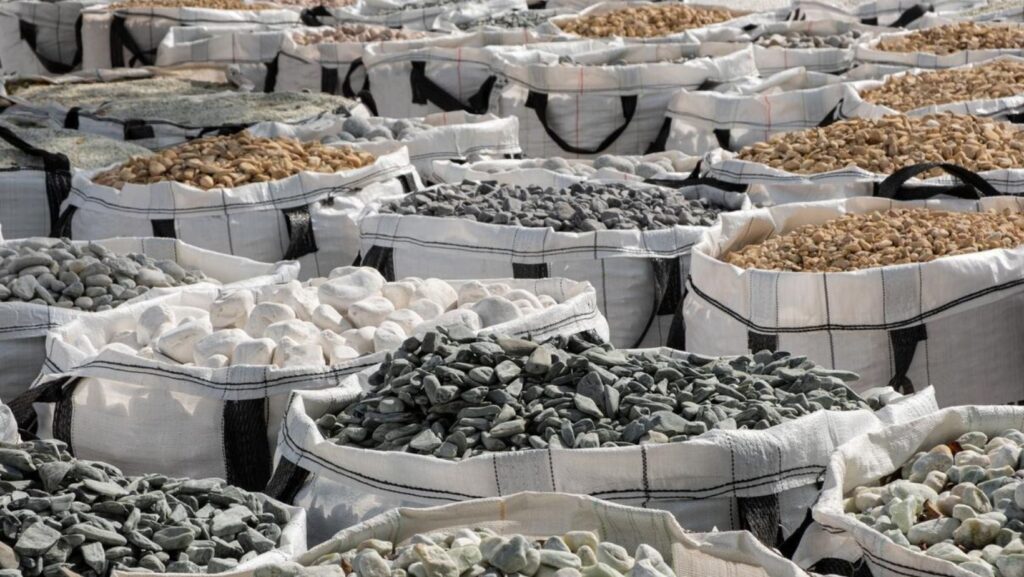
The foundation beneath your surface is what prevents movement and failure. A proper base typically includes:
Without a stable base, even high-quality surface materials can shift, settle, or crack over time.
Water management is one of the most overlooked aspects of outdoor construction. Poor drainage can compromise the entire structure. Issues caused by improper drainage include:
Effective grading, proper base preparation, and the use of permeable materials all contribute to better water control. Guidance on managing drainage in outdoor spaces explains how slope, soil, and material choice influence water movement and long-term stability.
Material quality is not just about the type you select. It is also about where it comes from. Variations in grading, density, and composition can impact installation and performance. Working with a dependable landscape material supplier helps ensure:
Sourcing materials from a trusted provider reduces uncertainty and helps maintain consistency across your project.
Each area of your outdoor space has different requirements. Choosing materials based on how the space will be used leads to better results.
For driveways, patios, and walkways:
For garden beds and landscaped zones:
In areas exposed to runoff or pooling:
Designing with function in mind prevents many of the issues that develop after installation.
Even well-planned projects can fail when key details are overlooked. Some of the most common mistakes include:
These decisions often lead to premature repairs and reduced lifespan.
A well-designed outdoor space is built on informed decisions. Material selection plays a central role in how your space performs, how it ages, and how much maintenance it requires. By understanding how materials behave, planning for drainage, and sourcing products carefully, you can create an outdoor environment that remains stable and visually consistent for years.
Taking the time to choose the right materials from the start leads to better results, fewer issues, and a space that continues to deliver value long after installation is complete.