Phone:
(701)814-6992
Physical address:
6296 Donnelly Plaza
Ratkeville, Bahamas.

Phone:
(701)814-6992
Physical address:
6296 Donnelly Plaza
Ratkeville, Bahamas.
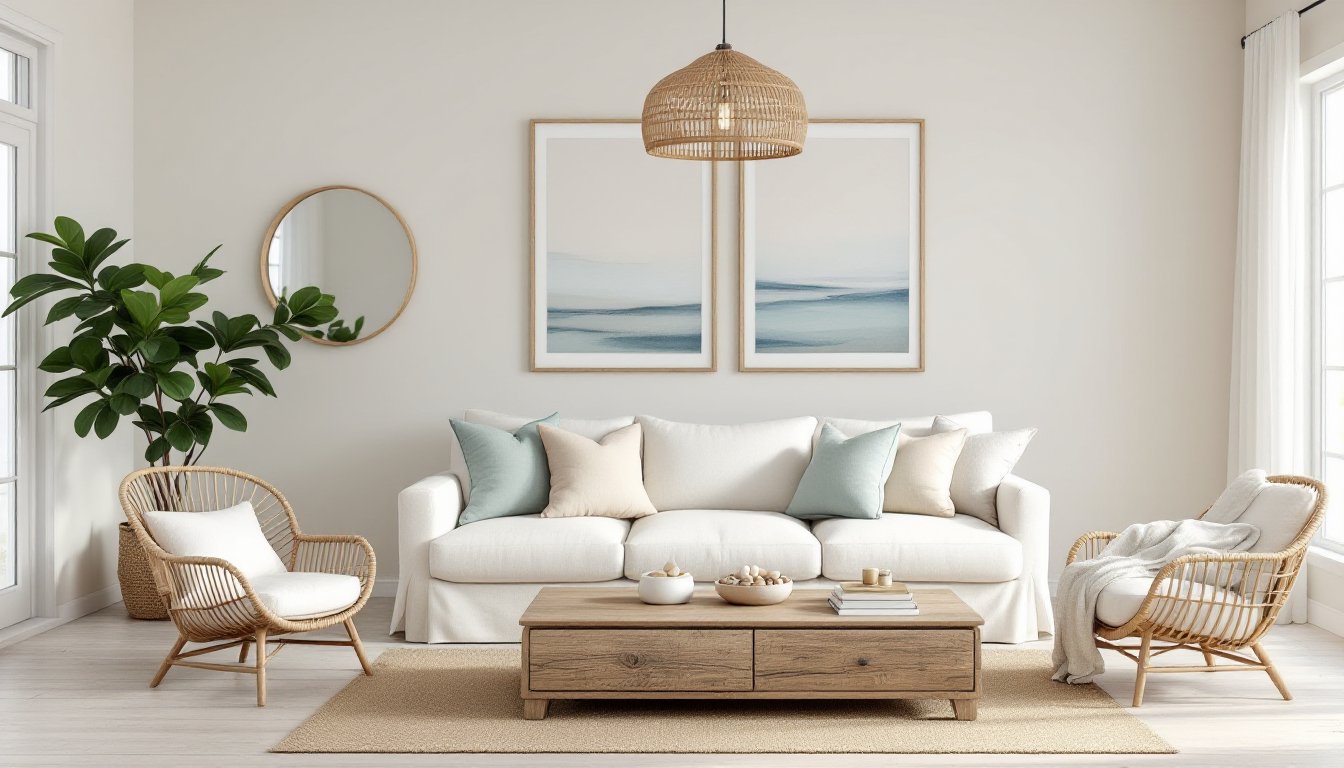
Coastal living room decor brings the relaxed, sun-washed feel of the shore into any home, no oceanfront property required. This style works because it balances comfort with a clean aesthetic, using natural materials, light palettes, and thoughtful accents to create a space that feels both airy and inviting. Unlike trendy design movements that fade, coastal decor taps into timeless elements: texture, light, and a connection to nature. Whether someone lives three blocks from the beach or three states inland, these principles translate into a living room that encourages unwinding. The key is avoiding the clichéd seashell-and-anchor overload while capturing the genuine calm of seaside living.
Coastal style centers on three foundational elements: natural light, organic materials, and relaxed comfort. Unlike nautical decor, which leans heavily on navy stripes and sailboat motifs, coastal design prioritizes a softer, more organic approach.
The style draws inspiration from actual beach environments: weathered driftwood, sun-bleached linens, and the interplay of sand, sea, and sky. Rooms feel open and uncluttered, with furniture arranged to encourage conversation and foot traffic flow. Hardwood or light-toned flooring (think whitewashed oak or pale ash) mimics sandy beaches, while area rugs in natural fibers like jute or sisal add warmth without visual weight.
Architectural elements matter. If the space allows, maximize window exposure, coastal rooms thrive on daylight. Sheer curtains or woven shades filter harsh sun while maintaining brightness. Crown molding, shiplap, or beadboard paneling (real or MDF for budget builds) reinforces the seaside cottage feel, though it’s not mandatory.
Avoid overthinking the theme. One carved wooden bowl or a single piece of coral beats a shelf full of mass-produced “beach” tchotchkes. Authenticity trumps quantity.
The classic coastal palette mirrors the shoreline: soft whites, sandy beiges, seafoam greens, and pale blues. These hues reflect light and make rooms feel larger, a critical consideration in smaller living spaces.
Start with walls. A base of warm white or off-white (Benjamin Moore’s Swiss Coffee or Sherwin-Williams’ Alabaster) provides a neutral canvas. For those wanting subtle color, try pale aqua or greige (a gray-beige hybrid) on an accent wall. Flat or eggshell finishes work best: they diffuse light softly rather than creating glare.
Ceilings matter more than most DIYers realize. Painting them a shade lighter than the walls, or even a pale sky blue, adds vertical dimension. In older homes with popcorn ceilings, scraping and repainting (with proper dust containment and a respirator if pre-1980s texture might contain asbestos) modernizes the space significantly.
Accent colors should come from nature: driftwood gray, seafoam, coral, or sandy taupe. Introduce these through throw pillows, artwork, or a single upholstered chair. Avoid stark, cold whites, they read sterile rather than serene. Layering multiple shades of white and cream creates depth without clutter.
Test paint samples in the actual room at different times of day. North-facing rooms skew cooler and may need warmer whites: south-facing spaces can handle crisper tones.
Coastal furniture favors comfort over formality. Think slip-covered sofas in linen or cotton duck, wood frames with a weathered or natural finish, and pieces that look lived-in rather than showroom-perfect.
A slipcovered sofa is the workhorse of coastal rooms. Washable, casual, and forgiving of sandy feet or damp swimsuits, it sets the tone. White, oatmeal, or light gray work best. For durability, choose 12-ounce cotton duck canvas or a linen-cotton blend, pure linen wrinkles beautifully but shows wear faster.
Coffee tables in reclaimed wood, wicker, or painted white pine anchor the seating area. Avoid glass tops unless paired with a chunky driftwood base, they can feel too formal. A trunk-style coffee table adds storage for throws and beach reads.
Seating should be modular or easy to rearrange. Armless accent chairs, rattan side chairs, or an upholstered ottoman double as extra seating when guests arrive. Avoid heavy, dark leather, it clashes with the airy vibe.
Consider scale. Oversized sectionals work in open-plan spaces but overwhelm smaller rooms. Measure doorways and hallways before ordering: a sofa that won’t fit through a 32-inch standard door becomes a very expensive problem.
Legs matter. Furniture with exposed legs (rather than skirted bases) feels lighter and allows more floor to show, enhancing the sense of space.
Texture is where coastal decor comes alive. The style relies on layering natural, tactile materials rather than pattern or color for visual interest.
Start with jute or seagrass rugs. They’re durable, affordable (typically $100–$300 for an 8×10), and add organic warmth underfoot. Note that natural fiber rugs can be scratchy: layering a softer wool or cotton rug on top creates comfort without sacrificing style. Secure rugs with non-slip rug pads, especially important on hardwood or tile.
Linen is the coastal fabric workhorse. Use it for curtains, throw pillows, and upholstery. Its natural wrinkles and slubby texture read as relaxed, not rumpled. Pre-wash linen before sewing or hemming, it shrinks 3–5% in the first wash.
Throw blankets in chunky knit cotton or lightweight waffle weave draped over sofas add layers. Avoid synthetics: they don’t breathe and feel clammy in humid climates.
Wicker, rattan, and cane webbing introduce three-dimensional texture. A rattan accent chair or cane-backed bench breaks up upholstered pieces. If refinishing vintage wicker, clean thoroughly with a stiff brush and vacuum, then spray-paint with a primer designed for wicker (regular paint cracks as the material flexes).
Wood finishes should look sun-bleached or naturally aged. Achieve this with white or gray wood stain, or by applying diluted white paint (1 part paint to 3 parts water), wiping it on, and immediately removing excess with a rag. This technique works on pine, oak, or secondhand finds.
Accessories tie the room together, but restraint is critical. Coastal decor fails when it becomes a souvenir shop.
Focus on natural found objects: a bowl of beach stones, a piece of driftwood displayed on a mantel, or a single large conch shell. Authenticity matters, real coral, weathered rope, or hand-thrown pottery beats plastic replicas.
Artwork should evoke the coast without literalism. Abstract paintings in ocean hues, black-and-white coastal photography, or botanical prints of sea grasses work better than generic sunset posters. Frame pieces in simple white or natural wood frames, ornate gilt reads wrong here.
Mirrors amplify light and space. A large sunburst mirror or a simple rectangular mirror in a whitewashed frame reflects windows and brightens dim corners. Hang mirrors opposite or adjacent to windows for maximum effect, not on walls that face solid interior walls.
Greenery softens hard edges. Potted palms, snake plants, or fiddle-leaf figs thrive indoors and reinforce the natural vibe. Use ceramic or woven basket planters rather than plastic pots. If the room lacks natural light, skip real plants, fake greenery reads cheaper than no greenery at all.
Books and magazines styled on coffee tables add livability. Stack three to five hardcovers (preferably with white, blue, or neutral spines) and top with a small decorative object. This isn’t just styling, it’s functional for actual reading material.
Limit decorative pillows to four to six per sofa. Mix solids with subtle patterns (ticking stripes, small-scale coral motifs, or linen texture) in coordinating tones.
Lighting makes or breaks coastal ambiance. The goal is to mimic natural light even after sunset, using layered sources that avoid harsh shadows.
Ceiling fixtures should feel organic. Woven rattan pendants, whitewashed wood chandeliers, or simple drum shades in linen work well. Avoid ornate crystal or heavy wrought iron, they’re tonally off. For installation, always turn off power at the breaker (not just the switch) and use a voltage tester to confirm wires are dead. If the existing junction box isn’t rated for ceiling fan weight and the new fixture exceeds 50 pounds, install a fan-rated box anchored to a joist or blocking.
Table and floor lamps add task and ambient lighting. Choose bases in ceramic, driftwood-style resin, or clear glass filled with sand or shells. Linen or cotton shades diffuse light softly. Aim for 2,700K to 3,000K bulbs (warm white) to avoid the clinical feel of daylight bulbs.
Dimmer switches are non-negotiable for coastal rooms. They allow adjustment from bright daytime simulation to soft evening glow. Installing a dimmer is a straightforward DIY swap, turn off power, remove the old switch, connect wires to the dimmer (typically black to black, white to white, ground to ground), and secure. Confirm the dimmer is compatible with LED bulbs if using them: older dimmers cause LEDs to flicker.
Maximize natural light by keeping window treatments minimal. Sheer linen curtains or woven bamboo shades filter light without blocking it. Mount curtain rods close to the ceiling and extend them 4–6 inches beyond the window frame on each side, this makes windows appear larger and allows curtains to stack off the glass when open.
Coastal living room decor succeeds when it prioritizes natural materials, light, and restraint over theme-park excess. By focusing on authentic textures, a soft color palette, and functional comfort, any space can capture the calm of the shoreline. Start with one or two foundational changes, paint, a new rug, or updated lighting, and build from there. The best coastal rooms feel effortless, not decorated.