Phone:
(701)814-6992
Physical address:
6296 Donnelly Plaza
Ratkeville, Bahamas.

Phone:
(701)814-6992
Physical address:
6296 Donnelly Plaza
Ratkeville, Bahamas.
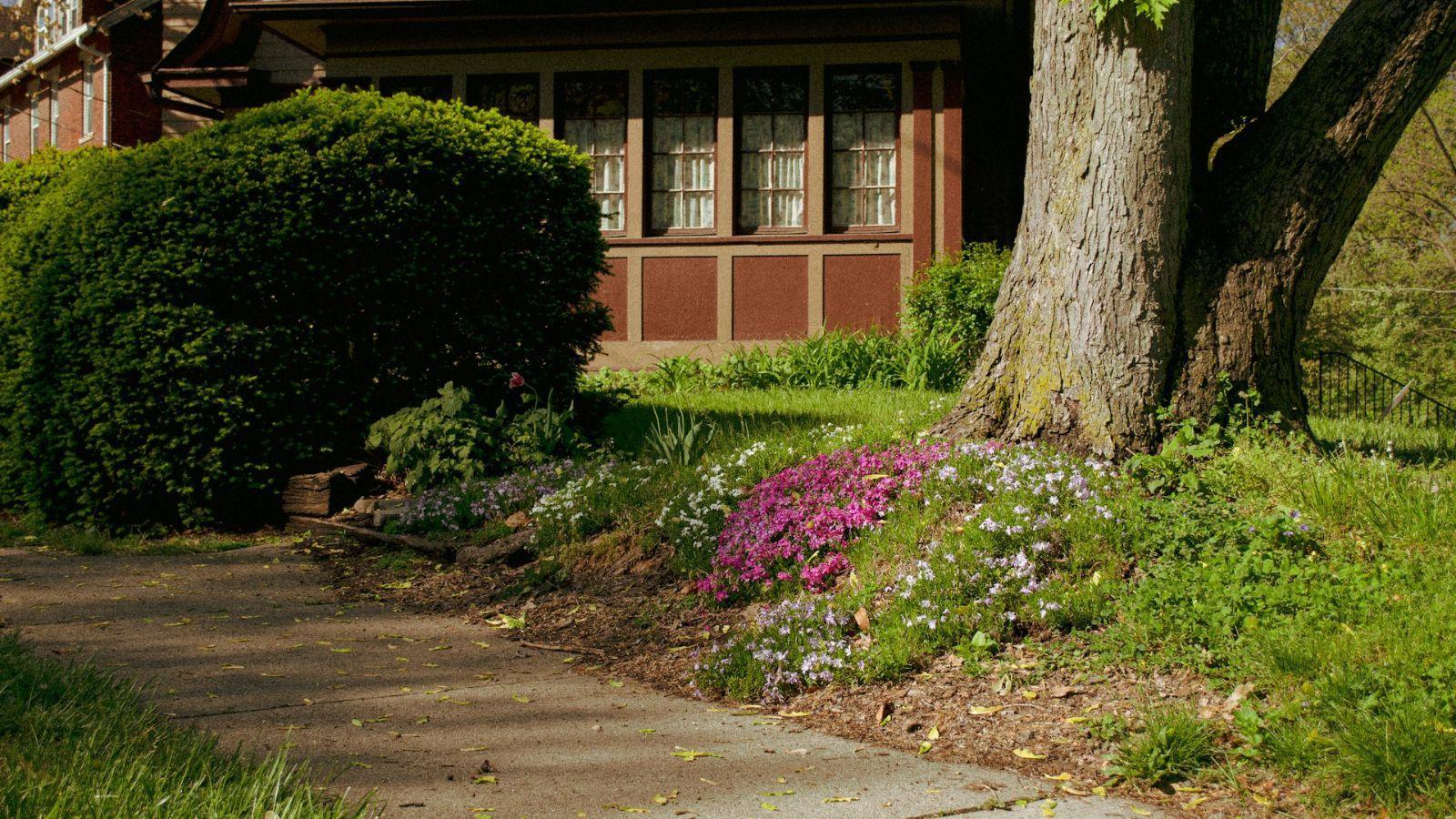
A well-designed landscape protects your home’s structure as much as it beautifies it. Depending on the type of landscape you have installed, you could also improve drainage and support healthy plant growth. All these boost your property’s value long-term.
However, there are certain mistakes you can make with your landscape that could cost you a few thousand dollars. The catch is that some of the most expensive landscaping mistakes don’t look like mistakes at all until the damage is done. As a homeowner or property manager, you need to know these landscaping missteps that quietly drain your budget:
There is already a lot of buzz around soil type in the landscaping space. Many DIYers test for soil type before they begin any landscaping project, but soil structure is equally important. It determines the way particles bind, drain, and retain nutrients. Poor structure leads to compaction, root suffocation, and you may experience water runoff issues that no amount of fertilizer can fix.
Before you begin any project, it serves you well in the long term to call in the professionals to conduct deeper soil diagnostics and implement remediation strategies. This is especially important if you notice patch growth despite proper watering.
A downspout extension that points slightly toward the house or a patio that slopes inward just a little. These are errors that can have you assuming the soil will absorb the rest of the water, but it won’t. Water doesn’t just soak in, it travels. Subtle grading errors can redirect water toward your foundation. This causes long-term structural damage. It’s best to get a proper grading assessment done beforehand, before any permanent fix is started.
You create invisible stress for yourself when you combine plants with different water, sunlight, and soil needs in one bed. Some will thrive, others will decline. The result is that you will end up overcorrecting with water or fertilizers. Professional planning helps you avoid this. Well-structured Arbor landscapes, for instance, demonstrate this. Through hydrozoning principles, landscape design groups plants by their environmental needs
While mindful planting is key, take care not to overplant. You may desire a full, lush look on day one, but the tradeoff is overcrowding within a year. Plants compete for nutrients, airflow is reduced, and it’s easier for diseases to spread. To avoid this, your landscape design should have spacing plans that account for three to five years of growth.
Root growth patterns and their proximity to buildings matter more than you think. Your landscaping design and tree planting should account for this and long-term expansion. Tree roots don’t just grow downwards, they spread laterally.
Sometimes, this interferes with foundations, walkways, and underground pipes. When planting near structures, ensure there is enough root barrier. You could also plant alternative species to prevent future damage.
Regardless of the kind of plants on your landscape, the watering pressure and volume requirement will not be the same in all areas. Maintaining a single line across all zones will lead to overwatering in some and underwatering in others.
However, it works well if you maintain a watering schedule based on plant needs. A manual watering schedule works well as you can readily adjust it according to the current need of the zone. Also, check the emitter type and water pressure levels. Doing these will save you the cost of correcting failing plant health or ruined landscape aesthetics.
Hands-on landscaping holds great value, but the most costly mistakes tend to come from decisions that seem logical at the moment. If you notice recurring issues like uneven growth or water pooling, you may want to have your home’s landscape professionally assessed.
The dividends of home or property maintenance are great. However, you must be knowledgeable about when you need only a cosmetic refresh or when a structural intervention will be necessary.