Phone:
(701)814-6992
Physical address:
6296 Donnelly Plaza
Ratkeville, Bahamas.
Phone:
(701)814-6992
Physical address:
6296 Donnelly Plaza
Ratkeville, Bahamas.
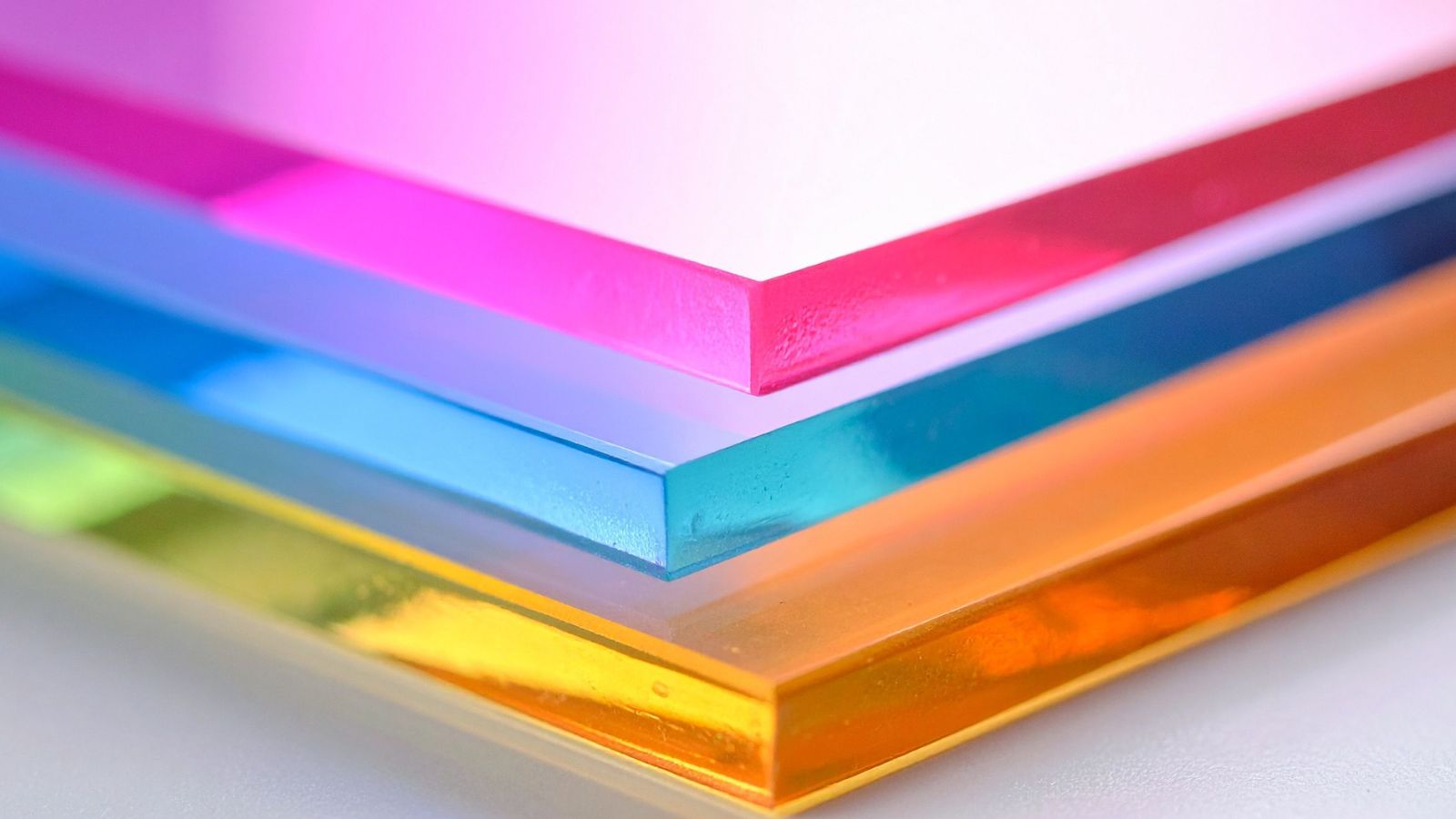
Picking between polycarbonate and acrylic can seem tricky when you need clear, strong sheets for a project. Both materials give you useful benefits and reduce weight compared with glass, but they behave differently in unpredictable weather, and under stress and daily use.
If you know how each sheet performs, you’ll make safer and more practical choices that last. Follow along to compare their key traits and see when each material fits your needs.
To put it in the simplest terms:
Both materials are far lighter than glass and this means you can use slimmer frames and easier fixings. Polycarbonate bends slightly under impact, which helps it resist cracking while acrylic stays firm and keeps a bright, glossy finish indoors.
Polycarbonate tends to suit outdoor areas where knocks and shocks are likely. It keeps its shape under stress and absorbs hits from tools, sports equipment or passing traffic. The sheet’s natural flexibility helps it protect people near busy walkways or active spaces.
Acrylic gives you good impact resistance compared with glass, but it can still crack with sharp force. Even so, its rigid structure and unmatched clarity suit places where visual appeal matters and the risk level is low.
Acrylic is often chosen for its clear, bright appearance, which helps you keep sharp sightlines in cabinets, signs and interior glazing. It stays clear when polished and holds its finish well if you clean it with care.
Polycarbonate provides good clarity too, although it can show more surface marks when handled often. Many polycarbonate sheets include UV protection, so it’s mostly used outdoors, where protection from the elements is important.
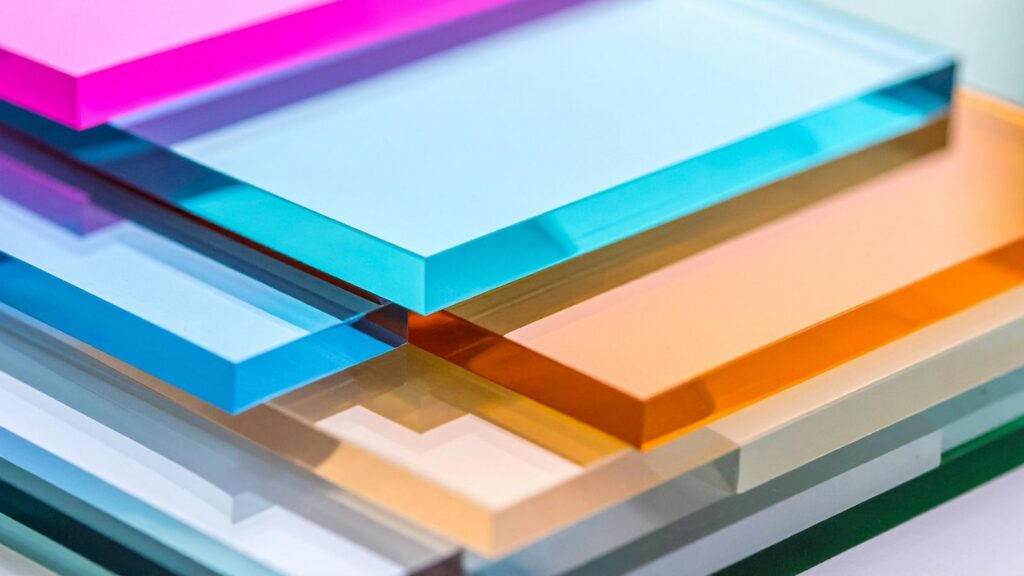
You might choose polycarbonate when you need strong resistance to impact and harsh conditions. It suits roofing, outdoor screens and safety guards because it performs well in heavy rain, hail and busy spaces. Its flexible nature helps it handle sudden force without breaking.
Polycarbonate also works well for overhead glazing since weight and safety are its primary features. Large spans may place stress on fixings, but this lightweight sheet manages those loads without needing frequent repairs.
Acrylic becomes the better fit when clarity and finish are at the top of your priorities. Its smooth surface and polished edges help you lift the look of displays, protective covers and interior panels. The sheet handles gentle cleaning well and this helps it stay clear in retail or domestic settings.
Acrylic also suits you when you value a stable, glossy surface that keeps its shape. Its rigid structure provides a firm feel, which helps you achieve a neat and precise look.
When you compare impact strength, clarity and location, the decision between polycarbonate and acrylic becomes clearer. Polycarbonate suits areas with higher risk, busy activity and strong weather, giving you long-term safety. Acrylic rewards you with a cleaner finish and sharper clarity, especially indoors.
By matching each sheet to its strengths, you reduce breakages and keep your installations for longer. So, choose the material that best fits your space and purpose, and you’ll have a safer environment and a finish you can’t stop admiring.
