Phone:
(701)814-6992
Physical address:
6296 Donnelly Plaza
Ratkeville, Bahamas.

Phone:
(701)814-6992
Physical address:
6296 Donnelly Plaza
Ratkeville, Bahamas.

Moving in together or merging households often means combining two full sets of furniture into one space. Each piece reflects a different taste, memory, or lifestyle. The challenge is creating unity without erasing personality. Blending furniture from multiple homes requires intention, restraint, and a clear design direction. When approached thoughtfully, this process can enhance your home rather than overwhelm it. Instead of seeing mismatched styles as a problem, view them as raw material. Cohesion does not come from buying everything new. It comes from making smart decisions about what stays, what changes, and how everything connects visually.
Before rearranging a single chair, define the direction you want the home to take. A clear style vision prevents impulse decisions and reduces clutter.
Begin by identifying the dominant aesthetic. Is it modern, transitional, rustic, or minimalist? Once defined, outline a short list of visual guidelines to follow throughout the house. For example:
These decisions act as filters. If a piece fits the direction, it stays. If it fights against it, reconsider its placement. This clarity helps give your home a new look without requiring a full redesign. It also ensures that blending furniture from multiple homes feels strategic instead of chaotic.
Color is one of the strongest tools for cohesion. Even completely different furniture styles can coexist when connected by consistent tones.
Start by selecting two or three core colors that will repeat throughout the home. These may appear in throw pillows, art, rugs, or painted walls. Repetition creates rhythm.
If wood tones clash, consider refinishing one or two larger pieces. You can also reupholster chairs or use slipcovers to align fabrics. Matching metal finishes, such as choosing all black or brushed brass hardware, instantly tightens the look.
Color alignment reduces visual noise. When blending furniture from multiple homes, consistent color creates harmony across materials, shapes, and eras. The eye reads repetition as intentional design.
Cohesion depends more on proportion than style. A sleek modern sofa can sit beside a traditional armchair if their scale complements each other. Measure each room carefully. Avoid clustering oversized pieces together. Allow breathing room between large items. Balance heavier furniture with lighter elements such as open shelving or slim side tables.
In smaller homes, this becomes even more important. You can maximize small spaces with innovative home design solutions. Use rugs to define seating areas and create visual boundaries. Float furniture away from walls when possible to create depth. When the scale is balanced, the room feels stable and grounded. Even contrasting styles appear harmonious when their proportions align.
Not every piece needs to make the final cut. Editing is essential when merging households. Keeping everything often leads to overcrowding. Begin by identifying duplicates. Two dining tables rarely serve one space. Choose the stronger piece and consider repurposing or storing the other. Sentimental items that lack function can rotate seasonally instead of remaining permanent fixtures.
Repurpose creatively. A dresser may work better as a media console. A vintage trunk can serve as a coffee table. If an item disrupts flow and has no practical role, consider selling or donating it. Subtraction often creates clarity. When fewer pieces compete for attention, the remaining furniture stands out with confidence.
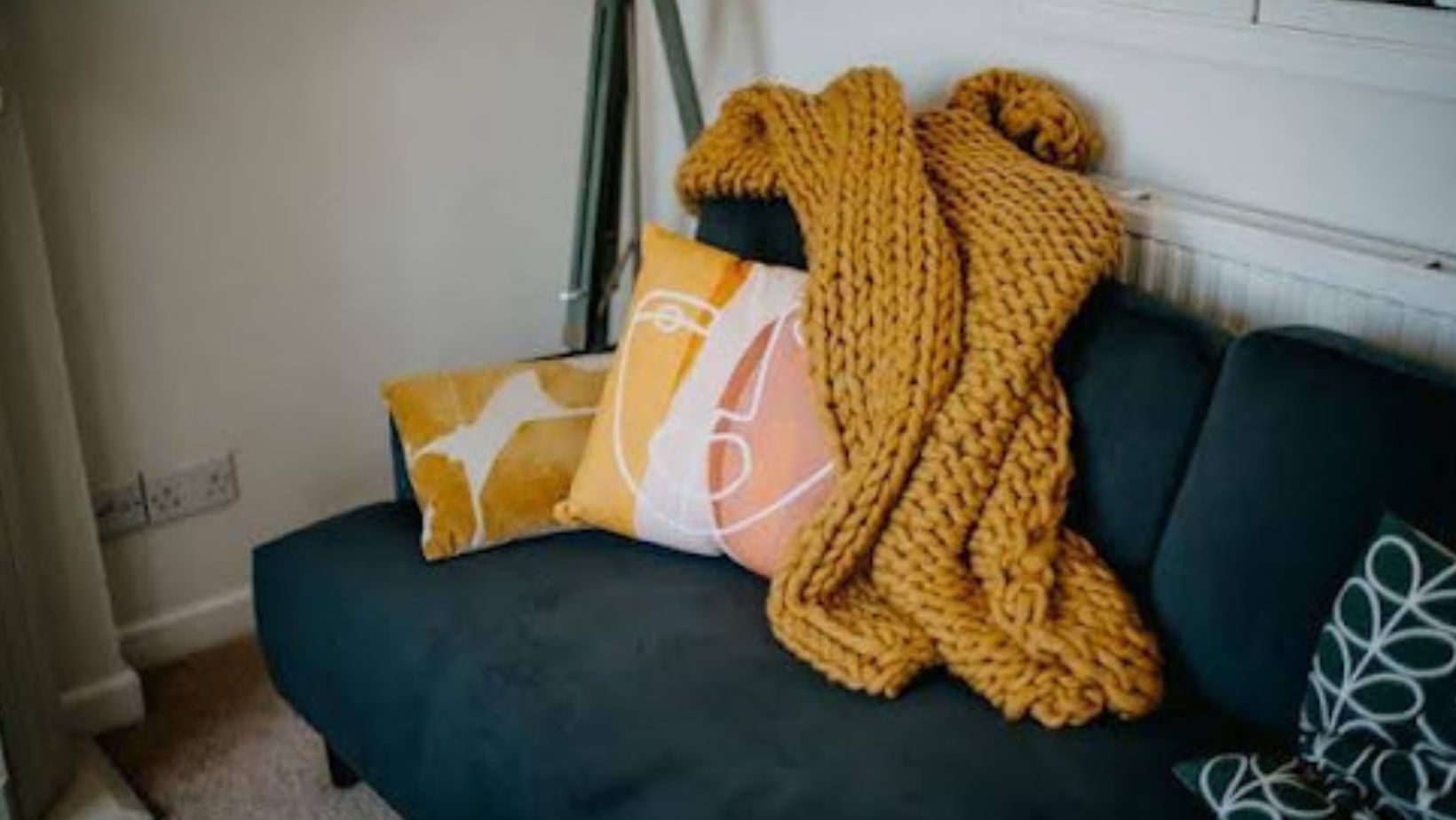
Once the larger pieces are placed, layering soft elements ties everything together. Textiles provide warmth and continuity across different styles. Coordinate throw pillows in shared tones. Choose curtains in similar fabrics or colors throughout the home. Consistent art framing helps unify walls, even when artwork varies. Add plants to connect rooms with natural texture.
These finishing details make blending furniture from multiple homes feel deliberate. Accessories bridge the gap between styles and smooth transitions between rooms. They also allow easy updates if the design evolves.
Open layouts amplify the challenge of combining furniture from different origins. Without walls to separate rooms, everything becomes visible at once. Define functional zones clearly. Use area rugs to establish seating and dining spaces. Position sofas to create subtle boundaries. Open shelving or consoles can act as visual dividers without blocking light.
At the same time, as the Interaction Design Foundation recommends, maintain consistency in accent colors and materials across zones. Repeating textures or finishes ensures that separate areas still belong to one cohesive whole. Structure prevents the home from feeling like two households placed side by side.
Lighting strongly influences how cohesive a space feels. Even well-arranged furniture can appear disconnected under mismatched lighting temperatures. Select bulbs with the same warmth across the home. Warm white lighting creates softness and comfort. Replace outdated lampshades with cohesive styles. Consider adding dimmers to adjust the mood throughout the day.
The hidden psychology behind a home that feels instantly welcoming often begins with lighting. Warm, even illumination reduces harsh contrasts and makes mixed furnishings feel unified. Statement light fixtures can also act as design anchors that visually connect separate elements.
Contrasts create character. Mixing traditional and modern elements adds depth and authenticity. Instead of hiding differences, highlight them strategically. Pair a vintage dining table with streamlined chairs. Place a modern lamp on an antique console. Contrast wood tones intentionally by repeating each tone at least twice in the room.
Blending furniture from multiple homes becomes powerful when you embrace the story behind each piece. The goal is not uniformity. It is balance. Repetition, proportion, and thoughtful placement transform contrast into design strength.
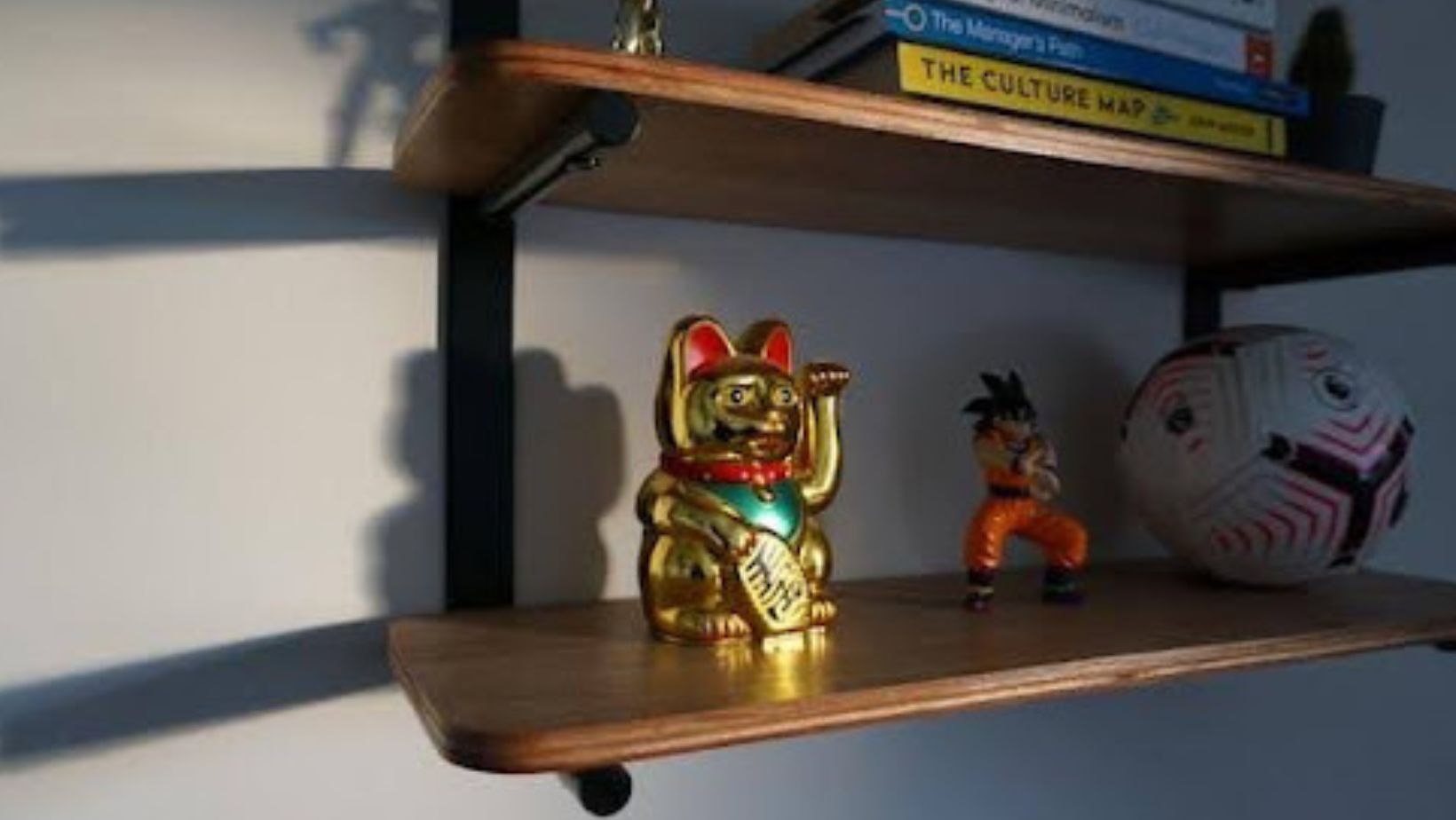
A cohesive home does not require perfection. It reflects shared experiences and evolving tastes. Highlight meaningful pieces instead of storing them away. Arrange photos and heirlooms thoughtfully so they feel curated rather than scattered. Prioritize comfort and function over trends. Homes grow and adapt over time. What matters is creating a space that feels stable, welcoming, and authentic to everyone living there. Blending furniture from multiple homes is less about matching styles and more about shaping a shared environment. With vision, editing, repetition, and thoughtful layering, separate stories can come together into one cohesive and inviting home.
