Phone:
(701)814-6992
Physical address:
6296 Donnelly Plaza
Ratkeville, Bahamas.

Phone:
(701)814-6992
Physical address:
6296 Donnelly Plaza
Ratkeville, Bahamas.
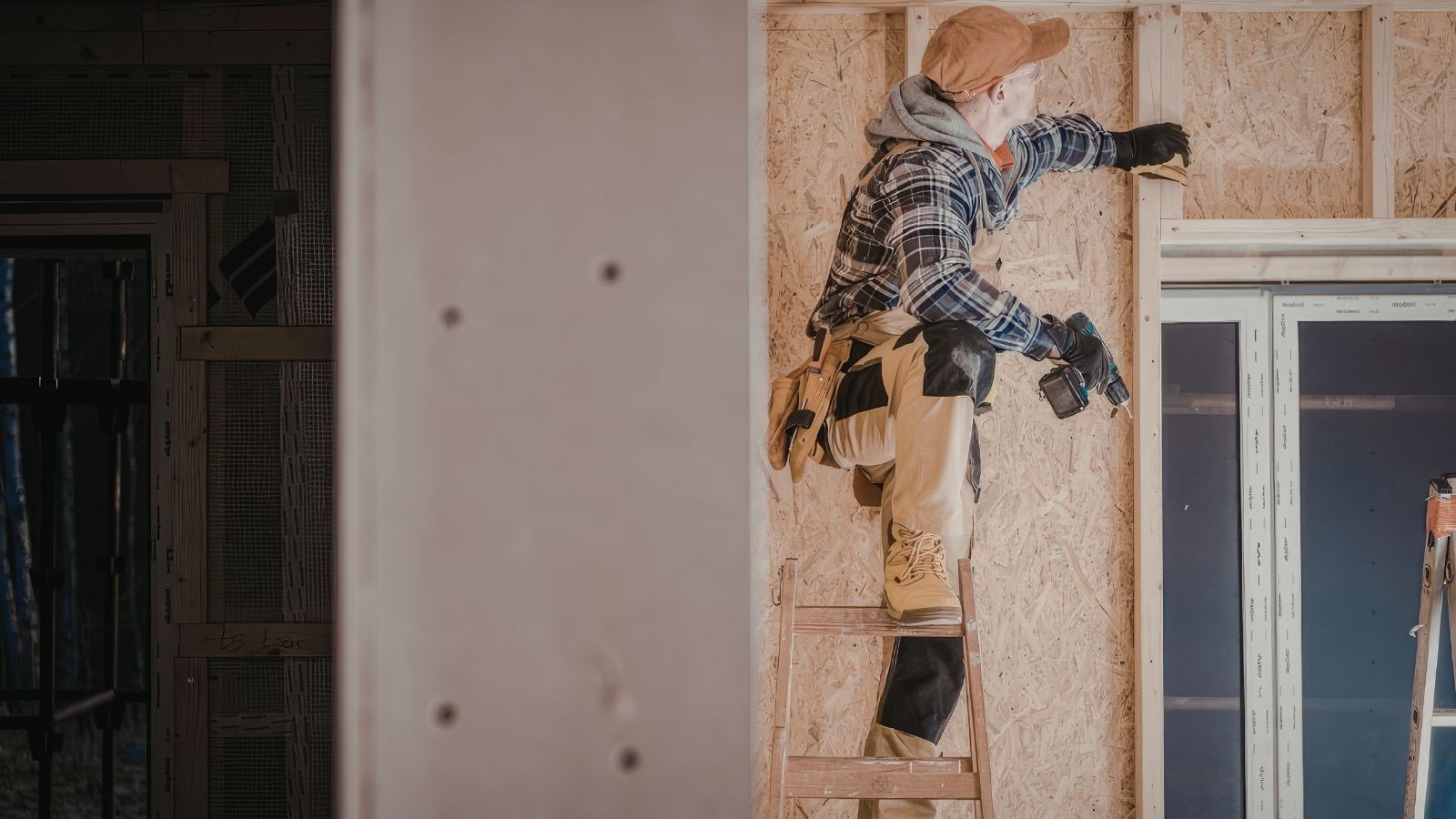
There is something deeply comforting about stepping into a room where sound softens, light feels warmer, and the walls have a real sense of texture. That calm, cocooned feeling is one of the reasons wood wall panels have moved from corporate lobbies and boutique hotels into everyday homes and apartments.
Designers lean on wood for more than its appearance. It pairs easily with almost any style, from minimalist Scandinavian living rooms to moody home cinemas. It also helps manage echo in hard surfaced spaces that are full of glass, tile, or concrete. When carefully planned, wood wall paneling can quietly reshape how a space feels, sounds, and even how it is used day to day.
The right panel choice usually starts with mood rather than materials. Ask what you want the room to feel like first, then work backward to finishes and formats. A bright, airy kitchen might benefit from pale oak slats that echo the grain of a timber floor, while a media room may call for deep walnut panels with strong vertical lines that visually elongate the walls.
Acoustic slat panels bring a contemporary rhythm to a room and are especially effective in echo prone spaces like open plan living areas, stairwells, and home offices. Fluted panels have a softer, more classical feel and can be used on one wall behind a headboard or around a fireplace to create a sense of built in architecture. Textured mosaic style panels suit smaller areas such as entry nooks, bar corners, or recessed shelving where you want a hit of visual interest without overwhelming the space.
Color and grain pattern have a surprisingly strong impact on how a space is perceived. Light, subtle grains read calm and contemporary. They bounce daylight around and pair well with white walls, stone, and steel. Strongly figured woods with knots and movement in the grain feel rustic and relaxed, perfect for family rooms or cabins. Very dark finishes create drama but can make a compact room feel smaller if used on every surface.
A practical approach is to repeat an existing wood tone, such as your flooring or a favorite piece of furniture, so the new panels feel integrated. If you prefer contrast, anchor the panel choice to other fixed elements like window frames, stair treads, or kitchen cabinetry so there is still a sense of deliberate coordination.
Many homes read beautifully in photos yet sound harsh in real life. Hard surfaces reflect sound, so conversations feel sharp, music becomes fatiguing, and simple activities like making dinner can fill the entire house with clatter. This is where panels with sound absorbing backings start to earn their keep, especially when you plan their placement with a bit of intention.
In a living room, a paneled feature wall behind the sofa helps absorb sound from conversation and television, which reduces echo in the rest of the space. In a home office, panels behind or beside your desk reduce the kind of slap back reflections that microphones pick up on video calls. Even a partial installation, such as a band of vertical slats across the lower half of a wall, can make a noticeable difference without visually closing in the room.
Focus first on rooms with a combination of hard floors, minimal textiles, and parallel walls. Corridors, stairwells, and double height spaces act like acoustic amplifiers; lining one key wall with slatted panels can help break up and absorb sound as it travels. Media rooms benefit from coverage on the rear wall and one side wall to soften reflections from speakers.
If you like entertaining, panels in dining areas keep conversations intelligible without people needing to raise their voices. Pair them with upholstered seating, a rug, and soft window dressings for a balanced approach that feels refined rather than overly technical.
Thinking room by room helps keep an ambitious panel project grounded and realistic. It also allows you to repeat certain panel styles in different areas of the home so the design feels cohesive rather than piecemeal.
In living areas, a single paneled wall is usually enough. Position it behind the main sofa, the television, or a fireplace to anchor the layout. Vertical slats make low ceilings feel taller while horizontal orientations can visually widen a narrow room. If you have built in cabinetry, consider running the same panel profile across cabinet doors and adjacent wall surfaces so storage recedes into the background.
A subtle approach is to treat panels as a frame. Clad a portion of wall that wraps around a window, or panel the area between a pair of doorways to create a quiet backdrop for artwork and lighting. The goal is to let texture do the heavy lifting so you can be more restrained with decor.
Bedrooms respond well to warmth and softness, so wood naturally feels at home there. A headboard height band of panels that runs the full width of the wall behind the bed adds hotel like polish and also dampens sound from adjoining rooms. In small bedrooms, taking panels all the way to the ceiling in a pale tone can make the bed wall feel taller without feeling busy.
If you work from your bedroom or share walls with a hallway, a modest amount of acoustic paneling helps blunt footsteps and everyday household noise. Pair the panels with thick curtains and a plush rug for a space that feels quiet even when the rest of the home is active.
Circulation zones are often overlooked yet have some of the hardest working walls in a house. Timber cladding in an entry protects surfaces from scuffs while giving you a strong first impression. Running narrow vertical slats partway up the wall in a corridor creates rhythm and disguises small imperfections in older plaster.
Stairwells benefit from panels both aesthetically and acoustically. A tall panelled wall that follows the line of the stairs becomes a focal point viewed from multiple levels, and the added texture helps tame the echo that tends to build up in high voids. Integrating simple wall hooks or slim shelving with the same panel finish keeps these spaces functional without visual clutter.
Even the most beautiful panel product can disappoint if planning is rushed. Start with accurate measurements and mark out key elements like power outlets, light switches, and wall lights. Think about how the panel lines will interact with these details. It is often worth adjusting the layout slightly so cut edges sit in corners and full, clean slats frame prominent fixtures.
For a professional look, align panel seams with architectural breaks such as window reveals, door frames, or cabinetry. In long rooms, consider starting from the most visible corner and working outwards so any narrow end pieces fall in a less obvious location. If you are unsure about tackling installation yourself, many carpenters and interior fit out specialists are familiar with modern panel systems and can complete a room in a day once the layout is set.
Day to day maintenance is usually straightforward. Dust with a soft cloth or vacuum using a brush attachment, paying attention to the grooves of slatted or fluted designs where particles can collect. For marks, use a slightly damp cloth and avoid harsh cleaners that might damage finishes, especially on real wood veneer.
In rooms with strong sunlight, consider how UV might affect color over time and use blinds or sheer curtains where necessary. Humidity control is equally important in kitchens and bathrooms; good extraction and ventilation will help panels stay stable and looking their best for many years.
As with any strong design element, restraint is your friend. Choose one or two panel styles and repeat them thoughtfully rather than treating every wall. Echo panel tones in smaller accents like picture frames, side tables, or chair legs so the room feels layered but not busy. If your home already has multiple existing wood finishes, pick the one you like most and let that lead future choices.
Most of all, think about how the room should sound and feel as much as how it should look. When wood walls are used with that mindset, they can transform echoey, anonymous rooms into spaces that feel intimate, calm, and distinctly yours.