Phone:
(701)814-6992
Physical address:
6296 Donnelly Plaza
Ratkeville, Bahamas.
Phone:
(701)814-6992
Physical address:
6296 Donnelly Plaza
Ratkeville, Bahamas.
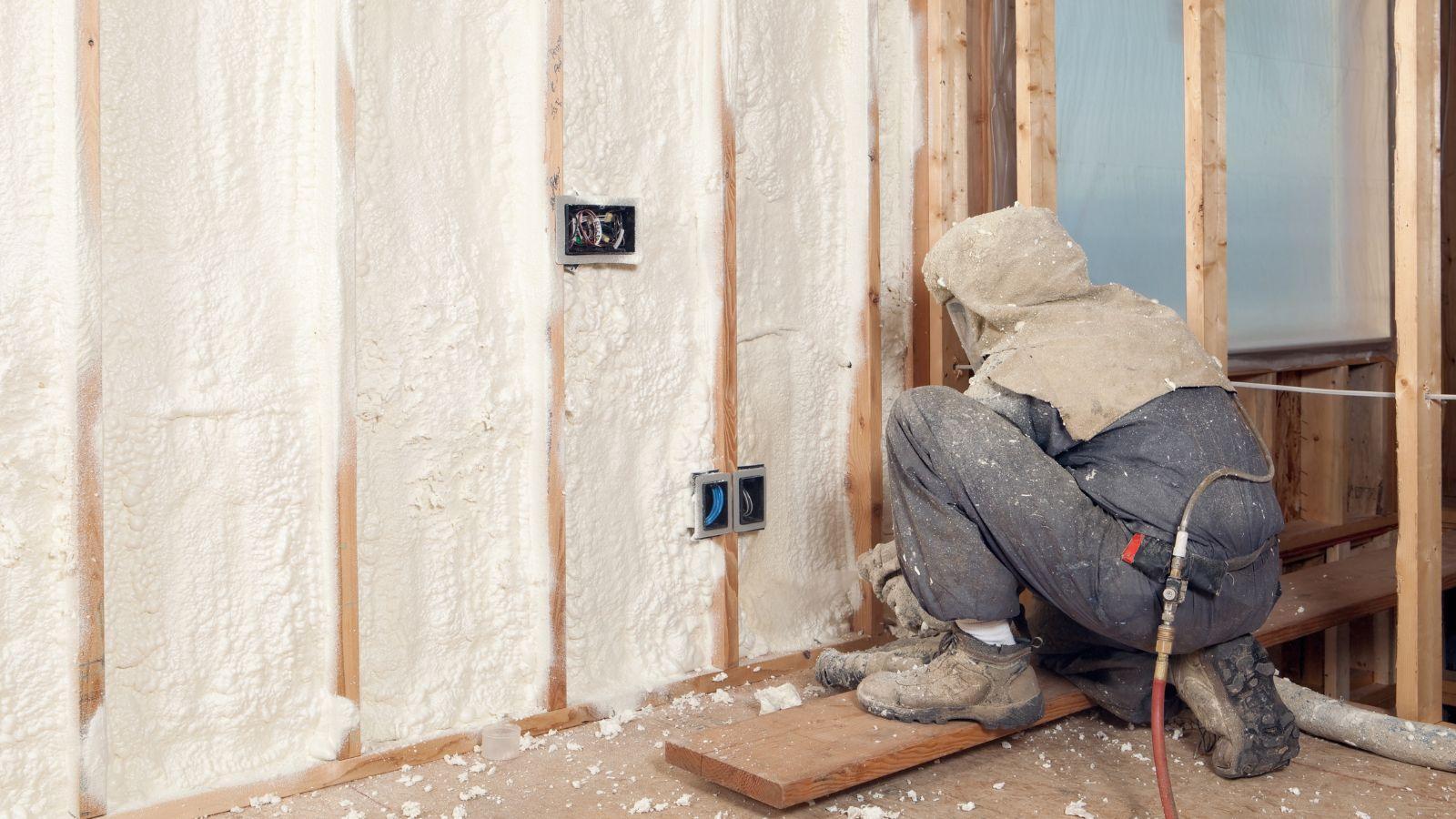
Insulation acts like the winter coat for your home or building—quietly protecting it from temperature extremes, moisture damage, and rising energy costs. But like any protective layer, insulation doesn’t last forever. When it begins to fail, the hidden costs can escalate quickly, from higher utility bills to structural damage like rot or rust.
Understanding when to replace or upgrade your insulation—and choosing the right solution—can prevent long-term damage and significantly improve energy efficiency.
Unless your home or building was specially constructed for energy efficiency, you can probably reduce your energy bills by adding more insulation. Many older homes have less insulation than newer homes, but even adding insulation to a newer home can pay for itself within a few years.
When insulation degrades, your HVAC system has to work harder to maintain comfortable temperatures. According to the U.S. Energy Information Administration, heating and cooling account for a significant portion of energy use in most buildings. Upgrading insulation reduces that workload, lowering energy bills and extending the lifespan of the HVAC system.
Insulation lifespan varies depending on material type, installation quality, and environmental factors such as moisture or pests.
It’s also important to consider that insulation standards have evolved. Homes and buildings constructed before 2005 are often under-insulated compared to current Department of Energy (DOE) recommendations, making upgrades worthwhile even if the material hasn’t fully failed.
If you’re unsure whether your insulation is still performing, these signs often indicate it’s time for an upgrade:
To truly understand why insulation fails, it helps to look at the basics of building science.
The “2/3 rule” states that in cold climates, approximately 66% of a wall or roof’s total R-value should be located on the exterior side of the vapor control layer. This prevents condensation from forming inside walls, which can lead to mold and structural damage.
A common DIY mistake involves improper material use. For example, installing R-19 insulation in a 2×4 wall cavity compresses it to about R-13. This not only reduces its thermal performance but can also trap moisture, potentially damaging drywall and framing.
Proper insulation isn’t just about adding more—it’s about using the right materials in the right way for your structure.
While many guides focus on residential homes, metal buildings present entirely different insulation challenges. These structures are highly susceptible to condensation, radiant heat gain, and even corrosion.
Unlike traditional homes, you can’t simply add loose-fill insulation to an attic. Metal buildings require specialized retrofit systems designed to address moisture control and thermal performance simultaneously.
That’s where metal building retrofit insulation from CMI Insulation stands out. These systems are designed to upgrade existing structures without requiring a full teardown. They help prevent condensation buildup, reduce energy loss, and protect against rust—making them an ideal solution for commercial, agricultural, and industrial buildings.
One of the most overlooked consequences of poor insulation is its impact on property value.
Structural neglect—often caused by long-term moisture issues—can significantly reduce a building’s worth.
When insulation fails, it can lead to:
Appraisers and buyers view outdated insulation alongside old wiring or plumbing as a major red flag. The anticipated cost of repairs or upgrades often leads to lower offers or longer time on the market.
If you suspect your insulation may be underperforming, there are a few simple ways to evaluate it:
For a more accurate assessment, consider scheduling a professional energy audit through a certified provider. These audits can pinpoint inefficiencies and recommend the best upgrade solutions for your specific building type.
If you own a metal structure or commercial property, consulting with specialists who offer systems ensures your upgrade addresses both energy efficiency and long-term structural protection.