Phone:
(701)814-6992
Physical address:
6296 Donnelly Plaza
Ratkeville, Bahamas.

Phone:
(701)814-6992
Physical address:
6296 Donnelly Plaza
Ratkeville, Bahamas.

Every designer has been there. You've got the whole concept in your head. The sectional that'll anchor the living room, the pendant lights at exactly the right height, the way the afternoon sun will warm up those terracotta walls. You can see it perfectly.
Your client cannot.
They're looking at your mood board, nodding politely, but you can tell. They're nervous. They're about to spend a lot of money on something they can't quite picture. And nervous clients do what nervous clients do — they stall, they ask for more options, they want to "think about it" for another two weeks.
This is the part of the job nobody warns you about in design school.
Mood boards are great for vibes. Floor plans are great for layout. Fabric swatches are great for texture. But none of them actually show the client what their room will look like when everything comes together. There's always this gap between what you're presenting and what they're trying to imagine.
Some clients are good at making that leap. Most aren't. And honestly, why should they be? They're hiring you because you're the visual expert, not them.
This is where furniture visualization has started changing things for a lot of designers. Instead of asking clients to do mental gymnastics with floor plans and Pinterest references, you just… show them. Their room. Their furniture choices. Proper scale, proper lighting, all of it.
Sounds obvious when you put it that way. But it took the technology a while to catch up.
Ten years ago, 3D renders looked more like video game screenshots. Fine for architecture firms selling condo developments, kind of weird for residential interiors. The uncanny valley problem was real.
That's changed pretty dramatically. Modern 3D rendering can nail the texture of a boucle sofa. The way oak floors look in different lighting. The sheen on a marble coffee table. When it's done well, clients sometimes can't tell they're looking at a render versus a photo.
And it's not just about pretty pictures. You can show the same room with different furniture options. Morning light versus evening. That rug the client loves versus the one you're gently trying to steer them away from. Comparison becomes easy in a way it never was before.
Some designers use this early — here's the concept, visualized, before we order anything. Others use it when clients are stuck between options. Some only pull it out for complicated rooms where floor plans really don't tell the story.
There's no single right way. The point is having another tool available.
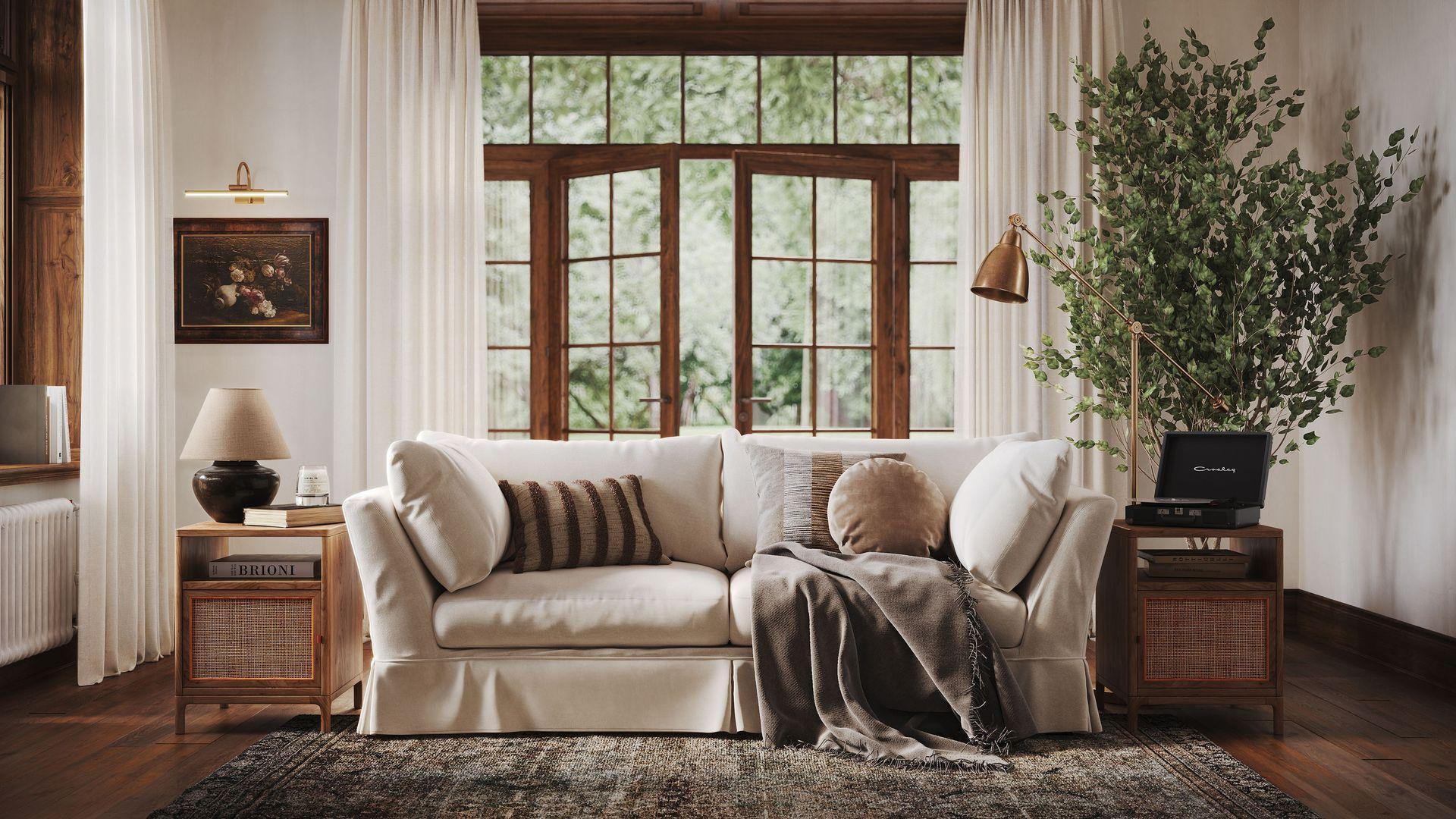
Here's the thing nobody tells you about client hesitation: it's usually not about the design. It's about uncertainty. People get weird when they're about to drop five figures on something they can't fully see.
When you remove that uncertainty? Everything speeds up. Decisions that dragged for weeks happen in a single meeting. The "let me think about it" emails dry up. Clients stop second-guessing because there's nothing to guess about anymore — they can see exactly what they're getting.
There's also fewer awkward moments at installation. That thing where a piece arrives, and it's… fine, but not quite what anyone expected? Happens way less when everyone's been looking at accurate renders for months.
Okay, real talk about cost. Working with a studio that does 3D modeling services isn't free. There's a per-image or per-room cost depending on who you work with.
But.
It's not as expensive as people assume. Especially compared to what it costs when a client changes their mind after ordering. Or when a project drags an extra month because nobody could commit. Or when you have to eat the cost of something that "looked different online."
For mid-range residential projects, the math usually works out. For higher-end stuff, it's kind of a no-brainer.
And there's a side benefit — renders make incredible portfolio content. Better than photos sometimes. Perfect lighting, no weird angles, no homeowner's random mail on the counter. Designers use them on Instagram, websites, and pitch decks. Some clients actually prefer seeing renders in portfolios because it shows process, not just outcomes.
Worth mentioning: homeowners are starting to use this technology directly too. Someone planning a living room overhaul can commission renders before buying furniture. Couples who can't agree on whether a piece will fit can just… look at it in their actual space.
It's still mostly a designer tool for now. But the barrier is dropping. Wouldn't be surprising if it becomes pretty normal for anyone doing a major furniture purchase in the next few years.
Just to be clear — visualization isn't making mood boards obsolete. It's not replacing fabric samples or site visits or any of the other things that makes design work. It's just another layer.
But it's a layer that solves a very specific problem. The problem of clients who can't see what you see. Who get nervous and stall. Who make decisions they regret because they couldn't quite picture the outcome.
Some designers will never need it. Their clients trust them completely, or their projects are simple enough that floor plans do the job. That's fine.
But for everyone else? For the projects that stall, the clients who hesitate, the rooms that are hard to explain on paper?
Having the option to just show them is worth a lot.