Phone:
(701)814-6992
Physical address:
6296 Donnelly Plaza
Ratkeville, Bahamas.

Phone:
(701)814-6992
Physical address:
6296 Donnelly Plaza
Ratkeville, Bahamas.
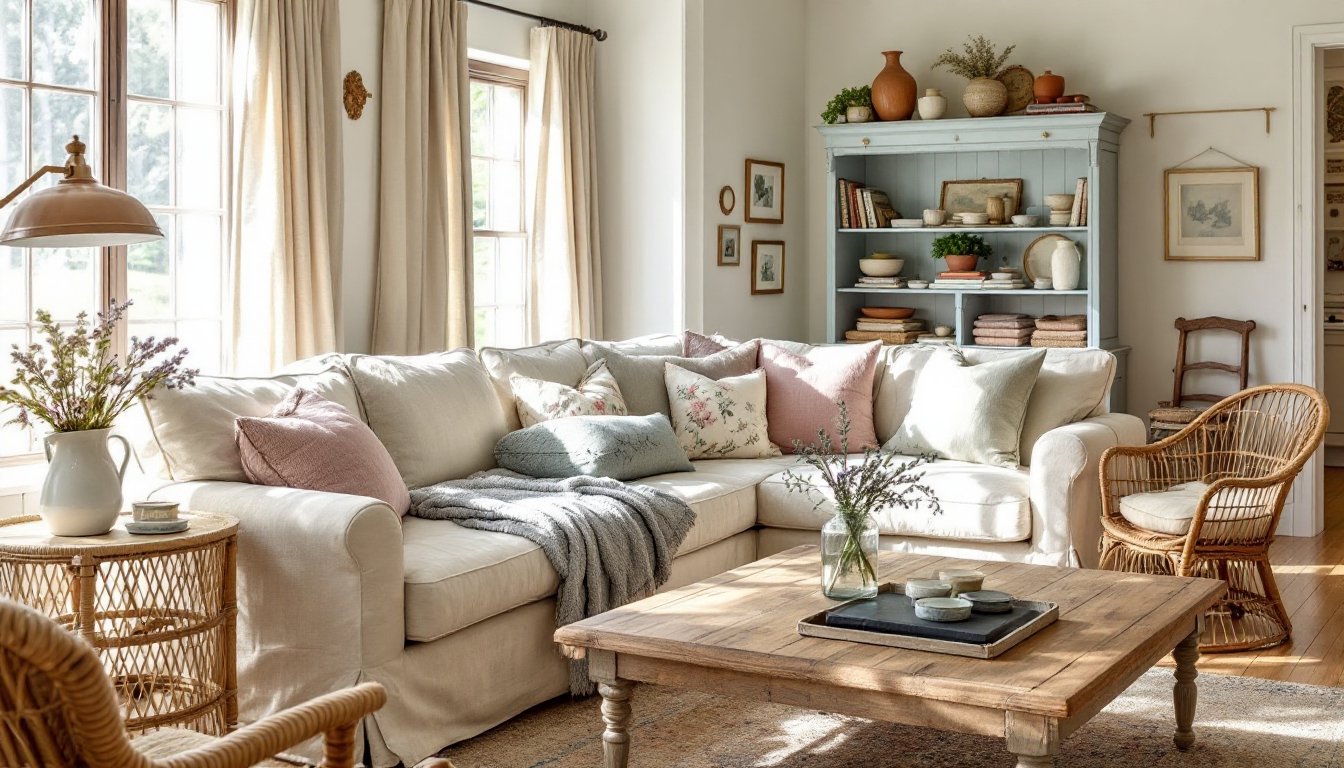
Cottagecore living room decor brings the warmth and simplicity of rural life indoors, think handmade textiles, weathered wood, and shelves lined with botanical prints. It’s not about mimicking a museum piece or chasing trends: it’s about creating a space that feels lived-in, welcoming, and grounded. This aesthetic works especially well in living rooms, where comfort and function need to coexist. Whether someone’s renovating a farmhouse or softening the edges of a modern apartment, cottagecore elements can transform a space without requiring a full gut job. The key is layering natural materials, vintage finds, and softer color palettes in a way that feels intentional, not cluttered.
Cottagecore decor draws inspiration from pastoral life, vintage cottage interiors, and handcrafted traditions. In a living room, it emphasizes comfort, natural materials, and a rejection of sleek minimalism. The aesthetic leans heavily on items that could’ve been passed down through generations, worn linen slipcovers, reclaimed wood side tables, ceramic pitchers used as vases.
Unlike rustic or farmhouse styles, which often feature bold contrasts and industrial metals, cottagecore stays softer. Colors are muted, edges are rounded, and everything should look like it could belong in a centuries-old countryside home. That doesn’t mean everything has to be antique, reproductions and handmade pieces work just as well, as long as they contribute to the overall warmth.
The goal isn’t perfection. Cottagecore living rooms embrace mismatched furniture, visible wear, and organic imperfections. A coffee table with a few nicks tells a story. A slipcover that doesn’t fit perfectly adds character. This aesthetic rewards patience and thrift-store hunting more than catalog ordering.
Wood is foundational. Look for pieces with visible grain, oak, pine, and walnut all work. Avoid high-gloss finishes: opt instead for matte or hand-rubbed oil treatments that let the material breathe. If refinishing furniture, skip polyurethane in favor of tung oil or beeswax, which age gracefully and won’t yellow.
Linen, cotton, and wool should dominate soft goods. For curtains, choose unlined linen panels in natural tones, they filter light beautifully and soften the room’s edges. Throws and pillows work best in chunky knits, vintage quilts, or matelassé coverlets. Avoid synthetic blends: they don’t drape the same way and tend to look flat.
Rattan, wicker, and woven baskets add texture without weight. A wicker chair with a linen cushion or a set of seagrass baskets for blanket storage reinforces the natural palette. When sourcing these, check for tight weaving and sturdy frames, cheap wicker splinters and sags quickly.
Stone and ceramic accents ground the space. A ceramic pitcher on a mantel, stone coasters, or a small slate tray can anchor a coffee table vignette. These materials contrast nicely with softer textiles and add a sense of permanence.
Cottagecore thrives on objects with history or craft. Vintage frames, mismatched in size and finish, create gallery walls with more personality than uniform sets. Look for carved wood or tarnished brass frames at estate sales.
Handmade pottery, bowls, vases, mugs, adds tactile interest. Items with visible glaze irregularities or hand-thrown asymmetry feel more authentic than mass-produced ceramics. If buying new, seek out local potters or makers who work in earthenware or stoneware.
Embroidered linens and crocheted doilies layer well on side tables or chair backs. These don’t have to be heirlooms: many crafters sell handmade pieces online. Avoid anything overly pristine, slight fading or gentle wear adds to the narrative.
Vintage books displayed on open shelving or stacked on a coffee table contribute color and texture. Cloth-bound editions from the mid-20th century, particularly in muted greens, creams, and blues, fit the palette. They also double as risers for small plants or candles.
Cottagecore palettes pull from nature, soft, slightly dusty, and layered. Creams, warm whites, and off-whites form the base. These aren’t stark: think eggshell or linen white rather than pure white. They warm up a room without the clinical feel of bright white walls.
Sage green, moss, and muted olive bring in botanical tones. Use these on accent walls, upholstery, or large textiles like curtains. If painting trim or cabinetry, consider a soft green milk paint, which has a chalky, low-sheen finish that ages beautifully.
Dusty rose, blush, and terracotta add warmth without veering into bold territory. A blush linen sofa or terracotta throw pillows can anchor a seating area. These tones pair well with wood and natural fibers.
Soft blues and grays, think French blue or dove gray, work as secondary accents. They cool down warmer palettes and evoke vintage ceramics or weathered shutters.
Avoid high-contrast combinations. Cottagecore lives in the middle range of the color spectrum, where tones blend rather than pop. When in doubt, test paint samples in natural light: artificial lighting can shift these subtle hues dramatically.
Furniture should feel substantial but not oversized. Overstuffed sofas and armchairs with loose linen or cotton slipcovers are ideal. Slipcovers hide wear, allow for easy washing, and can be swapped seasonally. Look for pieces with rolled arms and turned wood legs, details that nod to traditional upholstery without heavy formality.
Reclaimed wood coffee tables or side tables add character. A table made from barn wood or salvaged planks brings texture and history. If building one, use actual reclaimed lumber rather than distressed new wood, the patina and nail holes are hard to fake convincingly.
Open shelving or vintage hutches display ceramics, books, and plants. A farmhouse-style hutch with glass doors or chicken wire panels keeps items visible while adding vertical interest. Avoid built-ins that look too custom: freestanding pieces feel more collected over time.
Windsor chairs or ladder-back chairs work well as occasional seating. These traditional forms are lightweight, stackable, and available secondhand. If refinishing, a light sanding and coat of milk paint in cream or sage maintains the rustic feel.
Avoid matching furniture sets. Mix wood tones, styles, and eras. A mid-century side table can sit comfortably next to a Victorian armchair if the finishes and scale work together. The goal is a room that looks assembled gradually, not ordered in one go.
Plants and flowers are non-negotiable in cottagecore spaces. Fresh-cut flowers, wildflowers, garden roses, or even grocery store blooms, arranged loosely in ceramic pitchers or glass bottles soften hard surfaces. Change water every few days and trim stems at an angle to extend vase life.
Dried flowers and grasses last longer and add texture. Eucalyptus, lavender, wheat stalks, and baby’s breath can be bundled and hung or displayed in tall vases. Avoid overly bright dried flowers: stick to muted tones that blend with the overall palette.
Potted plants bring life without constant upkeep. Ferns, ivy, pothos, and snake plants tolerate lower light and forgive inconsistent watering. Use terracotta pots or vintage ceramic planters, plastic pots break the aesthetic.
Botanical prints, vintage illustrations or pressed flower art, fill wall space. Frame them simply in wood or brass. Grouping several small prints creates more impact than one large piece.
Herb gardens in windowsill planters double as decor and function. Rosemary, thyme, and basil thrive indoors with adequate light and make the room smell like a country kitchen. Use galvanized metal trays or wooden crates as bases.
Water plants according to species needs, overwatering kills more houseplants than neglect. Check soil moisture an inch below the surface before watering. If the living room gets limited natural light, supplement with full-spectrum LED grow lights disguised in vintage-style fixtures.