Phone:
(701)814-6992
Physical address:
6296 Donnelly Plaza
Ratkeville, Bahamas.

Phone:
(701)814-6992
Physical address:
6296 Donnelly Plaza
Ratkeville, Bahamas.
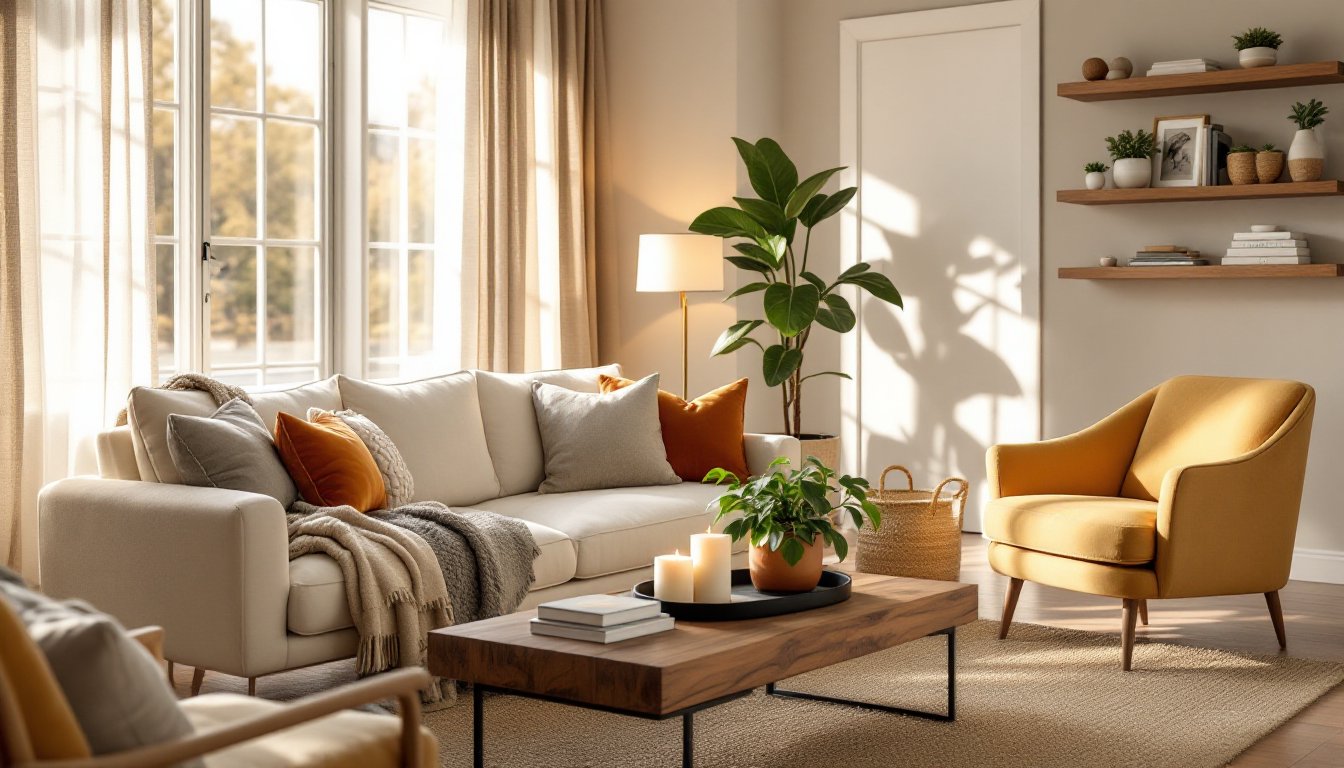
A cozy living room doesn’t happen by accident. It’s the result of deliberate choices in texture, lighting, color, and arrangement, decisions that turn a sterile space into a place where people actually want to linger. While Pinterest boards overflow with throw pillows and candles, the real work lies in understanding how materials, light sources, and spatial relationships create genuine comfort. This guide skips the vague inspiration and focuses on actionable decor strategies that homeowners can carry out room by room, whether they’re working with a sprawling family room or a compact apartment space.
The foundation of coziness is tactile. Hard surfaces, leather, wood, metal, need counterbalance through layered textiles that invite touch.
Start with an area rug sized appropriately for the room. In most living rooms, the rug should extend at least 18 inches beyond the front legs of sofas and chairs, or fully underneath all furniture in smaller spaces. Natural fiber rugs like wool or jute add warmth underfoot, while synthetic options like polypropylene offer easier maintenance in high-traffic areas.
Add throw blankets in varying weights and materials. A chunky knit throw works for visual texture, while a fleece or sherpa option provides actual warmth for chilly evenings. Drape one over the sofa arm and fold another in a basket near seating areas.
Pillows should vary in size and texture, not just pattern. Mix 18-inch, 20-inch, and 22-inch square pillows with lumbar styles (12 x 20 inches or 14 x 26 inches). Combine linen, velvet, faux fur, and knit covers to create visual and tactile interest. Avoid matching sets, they read flat.
For window treatments, lined curtains in heavier fabrics like cotton canvas or velvet block drafts and add softness to hard walls. Hang rods 4–6 inches above the window frame and extend them 3–6 inches beyond each side to make windows appear larger and allow maximum light when panels are open.
Upholstery matters too. If replacing furniture isn’t feasible, slipcovers in soft cotton or linen can transform a stiff sofa. Look for options with a bit of texture, plain sateen reads cold, while a subtle weave or nap adds warmth.
Overhead lighting alone kills coziness. The goal is multiple light sources at varied heights, each serving a different function.
Table lamps and floor lamps should outnumber ceiling fixtures. Aim for at least three separate light sources in an average living room. Position them to eliminate dark corners, one flanking the sofa, one near a reading chair, one on a console or sideboard.
Bulb temperature matters as much as fixture choice. Use 2700K to 3000K (warm white) LED bulbs for ambient and task lighting. Anything above 3500K shifts into clinical territory. Check the lumens too: living rooms need roughly 1,500–3,000 lumens total, distributed across fixtures. A single 800-lumen bulb (equivalent to a 60-watt incandescent) per lamp is a safe starting point.
Install dimmer switches on overhead lights and consider three-way bulbs in lamps to adjust intensity. Many LED bulbs now offer dimming capability, but verify compatibility with existing dimmer hardware to avoid buzzing or flickering.
Accent lighting adds depth. Picture lights, LED strip lighting behind floating shelves, or small puck lights in built-ins create layers without adding glare. Battery-operated options eliminate the need for an electrician.
Candles provide flickering warmth but require active supervision. Flameless LED candles with timers offer the visual effect without the fire hazard, especially useful for homes with pets or kids. For real candles, use unscented versions in living spaces, competing fragrances clash with cooking smells and cleaning products.
Avoid torchiere-style floor lamps that bounce all light off the ceiling. They create harsh, flat illumination. Lamps with fabric or paper shades diffuse light more gently than metal or glass.
Color sets the room’s emotional temperature. Warm, muted tones promote relaxation: cool, bright hues energize.
For walls, consider warm neutrals, greige, taupe, soft beige, or muted terracotta. These shades reflect light gently and pair well with varied accent colors. If repainting, test samples on multiple walls and observe them at different times of day. North-facing rooms skew cooler and benefit from warmer tones: south-facing spaces can handle cooler grays.
Paint finish affects coziness too. Eggshell or satin finishes offer subtle sheen that’s more forgiving than flat paint (which shows every scuff) but less reflective than semi-gloss. For trim, a satin or semi-gloss in a shade slightly lighter than walls adds definition without stark contrast.
Introduce deeper accent colors through textiles and decor rather than permanent fixtures. Burnt orange, deep teal, olive green, rust, or charcoal work as pillow, throw, or artwork colors. These shades add richness without overwhelming.
Wood tones contribute to the palette. Mix finishes, a walnut coffee table with oak shelving and a painted white side table, to avoid monotony. Avoid matching furniture sets that feel staged.
If working with existing bold wall colors, tone them down with neutral furniture and textiles. A bright teal wall becomes cozier with a cream sofa, tan rug, and warm wood accents.
Metallic accents in brushed brass, aged bronze, or matte black add warmth. Shiny chrome and polished nickel read cold. Lamp bases, picture frames, and hardware offer easy opportunities for swaps.
Natural materials ground a room and counter the artificial. Wood, stone, plants, and fibers bring texture and subtle color variation that man-made materials can’t replicate.
Add houseplants suited to your room’s light conditions. Low-light tolerant options like pothos, snake plants, or ZZ plants survive in corners far from windows. Brighter spots support fiddle leaf figs, rubber plants, or philodendrons. Use pots in natural materials, terracotta, ceramic, or woven baskets with plastic liners, rather than glossy plastic.
Group plants in odd numbers (three or five) at varying heights using plant stands or stacking books under pots. A single 6-inch or 8-inch potted plant on a side table adds life without demanding floor space.
Wood furniture and decor introduce warmth. A reclaimed wood coffee table, live-edge shelf, or wooden bowl brings organic irregularity. Even small touches like wooden picture frames, a turned wood lamp base, or a tray made from acacia or mango wood shift the room’s feel.
Natural fiber baskets (seagrass, rattan, wicker) provide storage while adding texture. Use them for throw blankets, magazines, or firewood near a hearth.
Stone elements, a slate coaster set, marble tray, or river rock in a glass vase, add cool contrast to warm textiles. Avoid overuse: stone works best as accent, not dominant material.
Dried or faux greenery works where live plants struggle. Eucalyptus, pampas grass, or dried wheat in a simple vase requires zero maintenance. Choose high-quality faux stems over cheap plastic versions that read artificial from across the room.
Furniture pushed against walls creates a bowling alley, not a gathering space. Cozy rooms pull seating inward to define zones and encourage interaction.
Position the sofa to anchor the room, typically facing the focal point, fireplace, TV, or large window. If the room allows, float the sofa 12–18 inches from the wall. This creates a pathway behind it and makes the space feel intentional rather than backed into a corner.
Arrange seating in a U-shape or L-shape with chairs angled toward the sofa. Aim for 4–8 feet between facing seats, close enough for easy conversation without crowding. A coffee table should sit 14–18 inches from the sofa front, accessible without leaning but not a knee-knocker.
In large rooms, create multiple zones. A sofa and chairs form the main seating area: a pair of chairs with a small side table in a corner becomes a reading nook. Use area rugs to define each zone visually.
Avoid blocking natural pathways. Maintain at least 30–36 inches of clearance for walking routes through the room. Furniture doesn’t need to line up on a grid, slight asymmetry feels more organic.
If the room includes a TV, ensure seating is positioned 1.5 to 2.5 times the screen’s diagonal measurement away for comfortable viewing. A 55-inch TV works best viewed from 7 to 11 feet.
Add a pouf, ottoman, or bench that can shift as needed. These flexible pieces serve as extra seating, footrests, or side tables depending on the situation.
Scale matters. Oversized sectionals swallow small rooms: dainty furniture disappears in large spaces. Measure doorways before buying, many sectionals require assembly inside the room because they won’t fit through a standard 32-inch door opening.
Generic decor feels staged. Personal items, artwork, books, collections, travel finds, give a room character and spark conversation.
Display books openly on shelves, coffee tables, or stacked as impromptu side tables. Mix vertical and horizontal stacking for visual rhythm. Don’t hide them, they signal interests and provide easy small talk.
Hang artwork at eye level, roughly 57–60 inches from the floor to the center of the piece. Group smaller works in clusters rather than scattering them around the room. Use picture hanging strips for lightweight frames to avoid wall damage, or install proper anchors in drywall (toggle bolts or plastic anchors rated for the frame weight).
Incorporate items with history, a vintage map, inherited clock, handmade pottery, or framed family photos. These pieces tell stories that mass-produced decor can’t.
Open shelving allows for layered displays. Arrange objects in groups of three, vary heights, and leave some empty space, packed shelves read chaotic. Mix books with small plants, candles, and sculptural objects.
Rotate seasonal decor subtly. Swap pillow covers, change out a throw blanket, or introduce seasonal greenery without overhauling the room. A few fall branches in October or fresh flowers in spring acknowledge the calendar without theme-park excess.
Limit “word art” and generic prints. If a piece says “Live, Laugh, Love,” it’s adding visual noise, not meaning. Choose artwork because it resonates, not because it matches the sofa.
Creating a cozy living room comes down to deliberate material choices, thoughtful lighting, and spatial arrangement that prioritizes comfort over formality. Layer textures, control light sources, incorporate natural elements, and arrange furniture to encourage use, not just admiration. The result is a room that functions as a retreat, not a showroom, somewhere people choose to spend time because it feels genuinely welcoming.