Phone:
(701)814-6992
Physical address:
6296 Donnelly Plaza
Ratkeville, Bahamas.

Phone:
(701)814-6992
Physical address:
6296 Donnelly Plaza
Ratkeville, Bahamas.
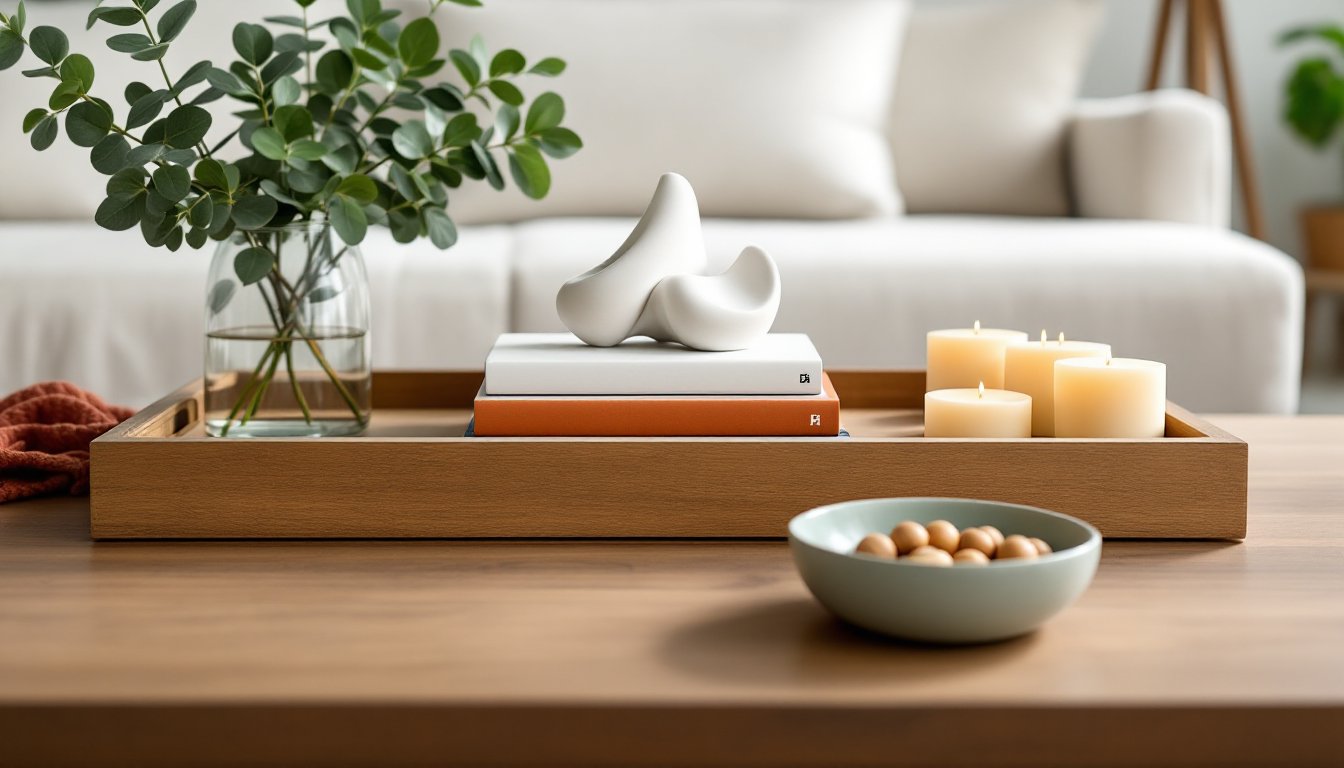
Living room tables, coffee tables, consoles, side tables, serve as more than just functional surfaces. They’re visual anchors that set the tone for an entire room. Yet many homeowners treat them as afterthoughts, piling up remotes and magazines without intention. Strategic table decor can pull together mismatched furniture, create focal points, and make a space feel finished without major renovations or expense. The difference between a cluttered surface and a curated display often comes down to a few simple principles: scale, balance, and purpose. This guide breaks down practical styling approaches that work in real homes, not just staged photo shoots.
Table surfaces occupy prime real estate in the living room’s sight lines. Most people enter a room and scan horizontally before looking up or down, which means coffee tables and console tables catch attention immediately. Well-styled tables create visual rest stops that guide the eye through a space and reinforce the room’s overall design language.
Beyond aesthetics, thoughtful table decor solves practical problems. A tray corrals remotes and coasters, preventing the dreaded “junk table” syndrome. A table lamp on a console or side table adds task lighting where overhead fixtures fall short. Decorative objects with varying heights break up the monotony of flat surfaces and add dimension, making rooms feel larger and more layered.
The key difference between decoration and clutter is intention. Every item on a table should serve a visual or functional purpose, or ideally, both. If it doesn’t earn its spot, it’s just taking up space. This approach keeps surfaces from feeling either sterile or chaotic.
Coffee tables function as the living room’s workhorse, so decor must balance beauty with usability. Start with a tray or bowl as a foundation, this anchors smaller items and defines a clear zone for decorative pieces. A wooden tray adds warmth, while a metal or mirrored version reflects light and feels more contemporary.
The rule of three works reliably here: group objects in odd numbers for visual interest. Common combinations include:
Height variation matters. If everything sits at the same level, the display reads flat. A 6–10 inch tall object, a candle, small sculpture, or bud vase, adds vertical interest without blocking sightlines across the room. Avoid anything taller than 12 inches on a coffee table: it interferes with conversation and TV viewing.
Leave at least 50% of the table surface clear for actual use. Coffee tables need to accommodate drinks, snacks, feet (let’s be honest), and laptops. A beautifully styled table that forces someone to move five objects to set down a mug will get dismantled within a week.
For rectangular tables, style each end separately or create a single centered arrangement. Square tables look best with symmetrical styling or a single large tray in the center. Round tables benefit from a central focal point, a statement bowl or sculptural piece, with smaller items radiating outward.
Console tables behind sofas or against walls offer vertical styling opportunities that coffee tables don’t. These surfaces pair well with wall art or mirrors hung above them, creating a cohesive vignette. The golden rule: art or mirrors should span two-thirds to three-quarters the width of the console for balanced proportions.
Layer decor in three zones:
This layering creates depth and prevents the flat, lineup look that screams “furniture store showroom.” Vary the visual weight by mixing materials, a ceramic vase next to a wood bowl next to a metal candlestick, for example.
Side tables and end tables next to sofas or chairs have more limited real estate, so keep styling tight. A lamp typically claims most of the space, leaving room for one or two small items: a coaster, a small plant, or a decorative catch-all dish. These tables prioritize function, holding drinks, phones, reading glasses, so resist over-decorating.
If the side table lacks a lamp, it can handle a bit more: a small stack of books, a candle, and a tiny plant or sculpture work without overwhelming a 20–24 inch diameter round table or an 18 x 24 inch rectangular one.
Not all decorative objects work equally well on living room tables. The best items combine visual appeal with appropriate scale and durability.
Books serve double duty as decor and conversation starters. Choose hardcovers with attractive covers or spines. Stack them horizontally (two to four books max) to create platforms for smaller objects, or stand a few vertically between bookends. Oversized art and photography books (10 x 12 inches or larger) make the biggest impact.
Trays and bowls provide containment and definition. A 12–16 inch tray works for most coffee tables: go smaller (8–10 inches) for side tables. Materials matter: wood adds warmth, marble or stone feels luxe, and woven or rattan brings texture.
Greenery and florals introduce life and color. Real plants require maintenance, consider low-light tolerators like pothos or snake plants for tables away from windows. High-quality faux stems and succulents have improved dramatically and fool most eyes from a few feet away. Keep arrangements under 12 inches tall on coffee tables, taller on consoles.
Candles add ambiance and height variation. Pillar candles in varying heights (group in threes: 4-inch, 6-inch, and 8-inch, for example) create drama. Votives in decorative holders cluster well. Skip scented candles if the living room opens to a kitchen, competing smells clash.
Sculptural objects, ceramics, small sculptures, decorative spheres, geodes, add personality and texture. Choose pieces that reflect the homeowner’s interests or the room’s style, whether that’s modern, rustic, coastal, or eclectic.
Avoid these common pitfalls:
Swapping out a few key pieces seasonally keeps living rooms feeling current without major effort or expense. This doesn’t mean redecorating from scratch, just updating 20–30% of the table decor creates noticeable change.
Spring and summer call for lighter, brighter touches. Swap heavy fabrics and dark colors for:
Fall and winter invite richer textures and warmer tones:
The base layer, books, permanent sculptures, lamps, can stay year-round. Seasonal touches layer on top, making transitions quick and budget-friendly. Many homeowners store a small bin of seasonal decor items and rotate them quarterly, spending 15–20 minutes per table to refresh the look.
Even with good intentions, certain missteps undermine table styling efforts.
Overcrowding tops the list. More isn’t better, it’s just more. Tables styled with ten small objects look cluttered and stressful. Aim for three to five items maximum on a coffee table, fewer on smaller side tables. White space (or wood space, or glass space) provides visual breathing room.
Ignoring scale throws off proportions. A tiny vase on a large coffee table disappears: an oversized lamp on a small side table looks cartoonish. Objects should relate appropriately to the table size and to each other.
Matching everything creates a sterile, showroom feel. Varied textures, materials, and finishes add richness. A wood tray, ceramic vase, and metal candle holder together feel curated: three identical glass vases feel boring.
Blocking functionality frustrates daily use. If someone has to clear the entire table to use it, the decor won’t last. Keep pathways clear on consoles behind sofas, and leave usable surface area on coffee and side tables.
Forgetting height variation makes displays read flat. Everything at the same level lacks dimension. Intentionally vary heights from low (books, trays) to medium (bowls, small plants) to tall (lamps, vases, candlesticks).
Using decor as storage defeats the purpose. A coffee table tray is not a junk drawer. Mail, charging cables, and random household debris don’t count as styling. Designate actual storage solutions elsewhere and keep table surfaces intentionally curated.
Living room table decor transforms everyday surfaces into intentional design elements without requiring construction skills or major investment. The principles remain straightforward: balance function with beauty, vary heights and textures, and edit ruthlessly. Whether styling a coffee table with a simple tray and a few books or creating a layered console vignette, purposeful choices make the difference between a room that feels finished and one that feels overlooked. Start with one table, apply these guidelines, and the improvement will be immediately visible.