Phone:
(701)814-6992
Physical address:
6296 Donnelly Plaza
Ratkeville, Bahamas.

Phone:
(701)814-6992
Physical address:
6296 Donnelly Plaza
Ratkeville, Bahamas.
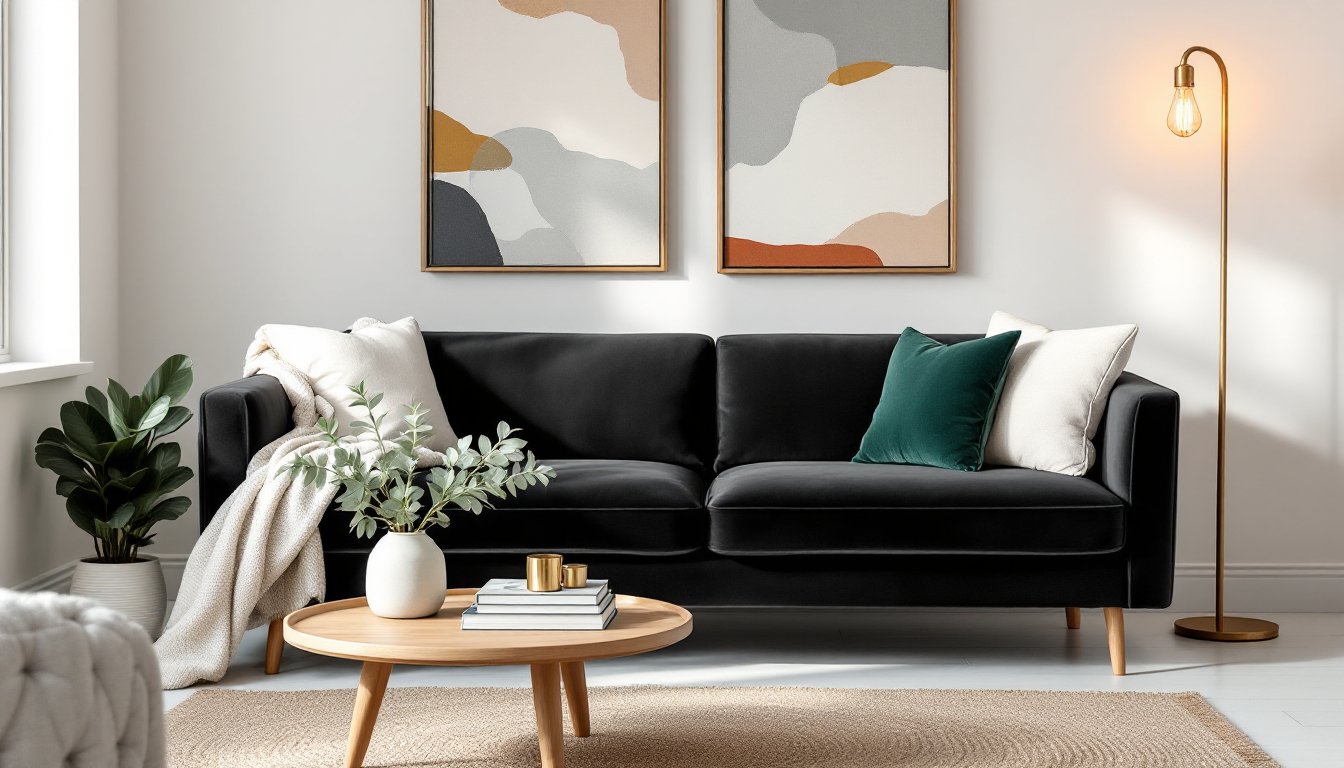
A black couch isn’t a decorating challenge, it’s a starting point that opens up nearly endless styling options. Whether it’s a sleek leather sectional or a plush velvet loveseat, black upholstery acts as a neutral anchor that works with bold color schemes, minimalist aesthetics, or layered textures. The trick isn’t making a black sofa “work” in a room: it’s deciding which direction to take it. This guide walks through practical strategies for styling around black furniture, from selecting complementary color palettes to layering materials that add depth without clutter. No fluff, just the details that make the difference between a room that feels intentional and one that looks like it’s still waiting to be decorated.
Black furniture functions like a visual baseline. It absorbs light rather than reflecting it, which makes surrounding colors and textures stand out more sharply. Unlike lighter-colored sofas that can show wear, stains, or fading over time, black upholstery, especially in performance fabrics or treated leathers, hides everyday use better.
From a design perspective, black is technically a neutral. It pairs as easily with warm wood tones and terracotta as it does with cool grays and metallics. This versatility means homeowners aren’t locked into one aesthetic. A black couch transitions smoothly from modern minimalist to industrial, mid-century, or even traditional styles depending on what’s layered around it.
Black also grounds a space visually. In rooms with white or light-colored walls, a dark sofa creates contrast that defines seating areas without requiring heavy architectural elements like wainscoting or built-ins. It’s particularly useful in open-concept layouts where furniture needs to signal zones, living, dining, workspace, without physical dividers.
One practical note: black upholstery does show dust, lint, and pet hair more readily than mid-tone fabrics. Keep a lint roller handy, and if the household includes shedding pets, consider performance velvet or tightly woven synthetics that resist clinging fur better than loose weaves.
Layering neutrals with a black couch creates a sophisticated, hotel-like atmosphere. Think warm whites, soft grays, beiges, and taupes on walls, rugs, and throw pillows. This palette works especially well in smaller living rooms where too many dark surfaces can make the space feel closed in.
Warm neutrals, creams, oatmeal, camel, soften the starkness of black and add approachability. Cool neutrals like dove gray or greige (gray-beige blends) lean modern and crisp. Mixing both temperatures in one room adds subtle depth. For example, pair a charcoal gray area rug with cream-colored pillows and a warm oak coffee table.
Texture becomes critical in all-neutral schemes. Without color contrast, the eye needs variation in surface finish to stay engaged. A chunky knit throw, linen curtains, a jute rug, and matte ceramic lamps all provide that without introducing new hues.
For homeowners who want more energy, black couches handle saturated accent colors exceptionally well. Deep jewel tones, emerald green, sapphire blue, burnt orange, mustard yellow, create high-contrast moments that feel intentional rather than chaotic.
A few guidelines:
Terracotta and rust tones bring warmth and pair beautifully with black in spaces that lean mid-century or bohemian. Navy blue offers a classic, tailored look. Blush pink or dusty rose softens black’s edge for a more approachable, contemporary feel.
Metallics, brass, brushed gold, copper, or matte black fixtures, work as accent “colors” too. A brass floor lamp or gold-framed mirror adds warmth without competing with upholstery.
Black’s flatness demands textural variety. A black leather couch reads differently than black linen or velvet, but all benefit from layering materials that catch light in different ways.
Natural fibers add warmth and tactile interest. Consider:
Velvet and plush fabrics introduce luxury. A velvet pillow in emerald or navy against black upholstery creates depth through sheen variation. Faux fur or sheepskin throws work in colder climates or Scandinavian-inspired spaces.
Wood and wicker bring organic warmth. A live-edge coffee table, rattan side chair, or wooden bowl on the coffee table offsets black’s industrial edge. Lighter woods, oak, ash, maple, brighten the palette: darker walnut or espresso tones reinforce drama.
Metal and glass lean modern. A glass-top coffee table with black metal legs echoes the couch without adding visual weight. Brushed nickel, matte black, or antique brass hardware on lighting and shelving pulls the look together.
Stone and ceramic add sculptural quality. A ceramic vase, marble tray, or concrete planter introduces cool, matte textures that contrast with soft upholstery.
Avoid overly matchy-matchy combinations, if the couch is black leather, don’t make every surface shiny and dark. Balance is key.
Modern Minimalist: Pair the black couch with white or light gray walls, a simple low-profile coffee table in glass or light wood, and minimal accessories. Keep lines clean. Add one or two oversized pieces of abstract art in black, white, and one accent color. Avoid clutter, every item should earn its place.
Industrial: Expose brick or concrete if available. Use metal shelving, Edison-bulb lighting, and reclaimed wood accents. A black leather sofa fits naturally here. Add dark gray or charcoal area rugs and metal-framed artwork. Pipes, ducts, and raw materials become design features, not flaws.
Mid-Century Modern: Combine the black couch with warm wood furniture, teak or walnut credenzas, tapered-leg side tables. Introduce mustard yellow, burnt orange, or olive green through pillows and throws. Geometric prints and starburst mirrors reinforce the era. Keep the overall palette warm and inviting.
Scandinavian: Focus on light, airy spaces. Paint walls soft white or light gray. Layer the black couch with cream, gray, and pale blue textiles. Use natural wood (light oak or birch) and greenery (potted plants, eucalyptus branches). Hygge-inspired elements, candles, knit throws, simple ceramics, add coziness without clutter.
Bohemian: Layer, layer, layer. Mix patterned pillows in varied colors and prints. Drape a vintage kilim rug or colorful woven blanket over the sofa back. Add macramé wall hangings, potted plants, and global-inspired decor. The black couch grounds all the eclectic energy, preventing it from feeling chaotic.
Traditional: Use tailored throw pillows in classic patterns, damask, toile, or subtle stripes. Pair with mahogany or cherry wood furniture. Add table lamps with fabric shades, framed art in ornate frames, and an oriental or Persian-style area rug. The black sofa becomes the refined anchor in a more formal setting.
Black absorbs light, so a room with dark furniture needs intentional lighting to avoid feeling cave-like.
Layered lighting is essential:
Use warm white bulbs (2700K–3000K) rather than cool daylight tones. Warm light softens black’s starkness and makes the space feel more inviting.
Mirrors are a low-effort hack to bounce light around. A large mirror opposite a window reflects natural light back into the room. Framed mirrors in brass, black, or wood tie into the overall palette.
Accessories should be purposeful:
Avoid overloading the space. A black couch already commands attention, accessories should support, not compete. When in doubt, edit down. Less clutter, more impact.