Phone:
(701)814-6992
Physical address:
6296 Donnelly Plaza
Ratkeville, Bahamas.
Phone:
(701)814-6992
Physical address:
6296 Donnelly Plaza
Ratkeville, Bahamas.
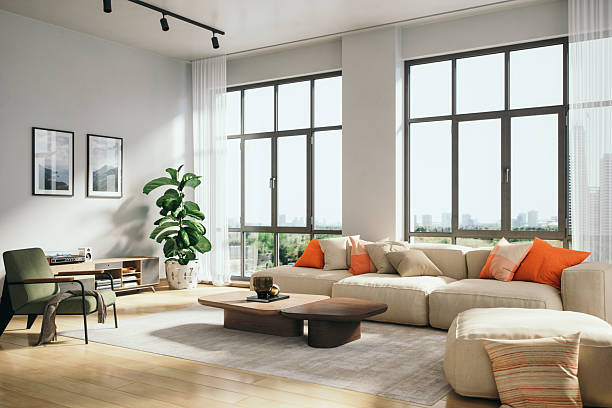
When you walk into a rental, one of the first things you’ll notice is the living room. It’s no wonder that the living room basically shapes people’s first impressions of a home. It’s a place where tenants can relax, host friends, or spend some time unwinding with loved ones. Landlords, however, know how much a living room can influence a property’s aesthetic. The truth is, expensive renovations aren’t always needed to make an impact. A few thoughtful choices here and there can make a rental feel more modern and functional, while also giving tenants room to make the space feel like home.
Now, there are lots of features that add value to a rental home. For starters, one of the most notable features is the walls. Walls have much more influence on a room than you may realize. Sometimes, painting in neutral shades makes a living room feel brighter and more spacious. Also, colors like soft white, warm beige, or light grey often appeal to a wider range of tenants. In addition, many tenants value personalization. So if tenants would like to paint the walls, they require written consent first before allowing them to start. This will help both sides stay aligned on approved colors, and help tenants know whether the walls should be returned to their original colors before they move out.
Another really valuable living room feature is the flooring. Flooring is a huge boost to a rental’s appearance, and it affects maintenance costs as well. For example, scratched surfaces, stained carpets, or outdated finishes can make an otherwise good apartment feel neglected. In addition, materials that are durable and easy to maintain often provide better long-term value in rentals.
The third valuable feature is lighting. Lighting is really crucial in how people experience a space. For instance, bright living rooms are much more welcoming to tenants. Besides, natural light is really attractive because it reduces reliance on artificial lighting during the day. Simple additions for tenants, like floor lamps, can help personalize the atmosphere without altering the property itself.
Sometimes, a valuable living room might not always be the biggest one. After all, the most attractive spaces are usually the most functional. Basically, open layouts or rooms that support multiple furniture arrangements appeal to a wider range of renters. It should be noted that tenants may use the same room differently depending on their lifestyle. Some may want an entertainment space while others may need a work-from-home setup. So you should avoid overly fixed layouts to give tenants more flexibility without needing structural changes.
Last, but not least, design details can elevate the overall feel of a rental. When you have modern light fixtures, clean trim work, built-in storage, and simple architectural touches, your living room appears much more polished. Also, these features work to create a stronger foundation for decorating. Instead of making major alterations, your tenants will be able to achieve a personalized look through furniture, textiles, artwork, as well as removable accessories that complement the existing design.
Beyond the features that add value to a living room, there are specific things you should be aware of when it comes to decorating. After all, decorating a rental living room should balance personal style with property guidelines. As a landlord, you’ll benefit when tenants care about making a space feel comfortable. At the same time, you should set clear boundaries to prevent misunderstandings. A good approach is to remind tenants of what decor they can do in a rental without breaking their lease.
For instance, temporary additions like rugs, curtains, and other minor additions are okay as customization, because they’re not permanent changes. Meanwhile, there are still things tenants have to avoid unless permission has been granted. That’s why you should communicate properly with your client to avoid any misunderstandings.

Before making changes to a rental living room, tenants should review their lease agreements carefully. A lot of leases include guidelines about painting, installing shelves, mounting televisions, changing fixtures, or making cosmetic updates, which may seem minor but still require approval. Asking for written permission creates clarity and protects both you and your tenant if questions come up later.
It also helps to document approved modifications and understand move-out requirements in advance. For instance, some landlords may allow changes as long as the property is restored before the lease ends, while others may prefer all original finishes remain untouched. A quick conversation before starting a project can prevent repair costs, disputes, or unexpected deductions later.
In conclusion, a well-designed living room adds value beyond just appearance. It can make your rental property feel more inviting and even reduce unnecessary maintenance over time. Having durable and attractive floorings, a functional layout, and well-maintained walls, among other features, makes your rental’s living rooms more valuable and helps you attract more clients. In addition, ensure you communicate clearly with your tenants so they are aware of what they can and can’t do when decorating the rental. All these will help your rental retain its value in the long run.