Phone:
(701)814-6992
Physical address:
6296 Donnelly Plaza
Ratkeville, Bahamas.

Phone:
(701)814-6992
Physical address:
6296 Donnelly Plaza
Ratkeville, Bahamas.
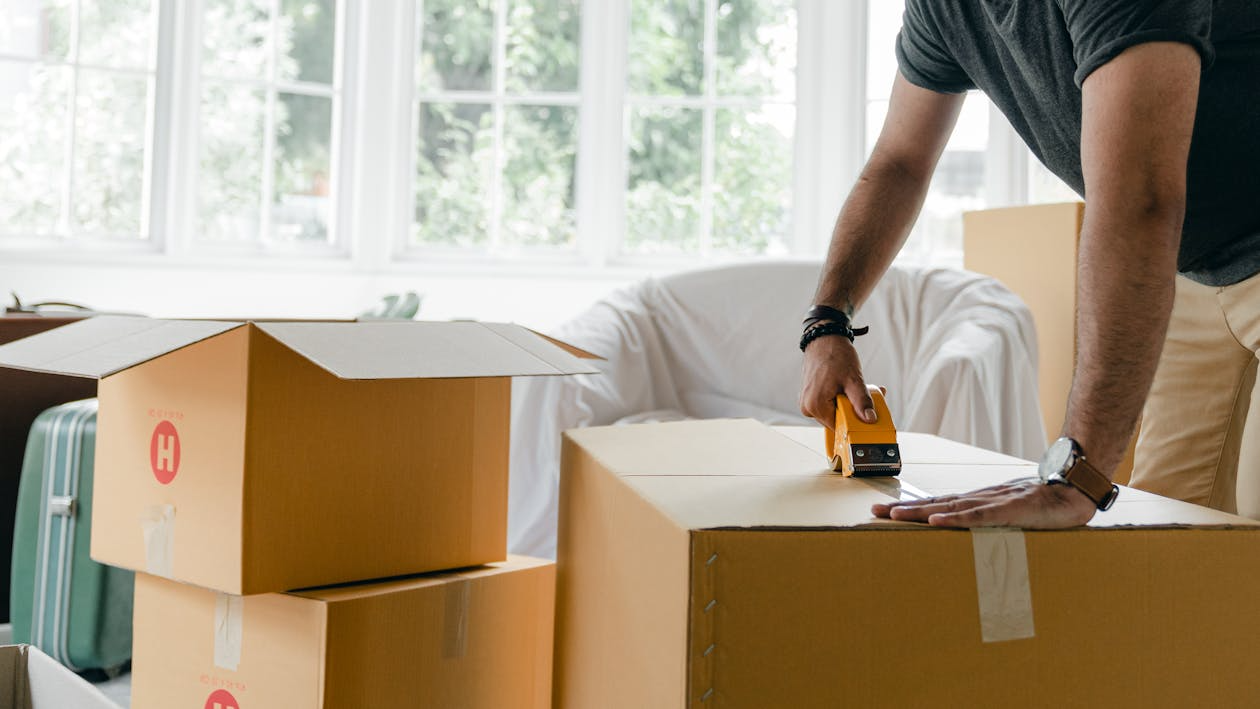
A long-distance move rewards planning, not speed. When you prepare early, packing gets cleaner, loading gets faster, and you avoid problems when you arrive. Preparing is a simple system: decisions, labels, and timing. You do not need perfection, though. You need order and follow-through. Here’s how to prepare your home before a long-distance move.
Lock the schedule, pickup window, and delivery expectations. Ask what triggers extra fees, stairs, long carries, packing help, or storage time. If you are comparing or booking long distance moving companies, confirm coverage limits for high-value items.
Walk throughout the property and note access risks, narrow gates, steep driveways, elevator rules, and building move-out policies. Measure large furniture and key doorways so you can plan disassembly. You should also reserve parking if needed, and take quick photos of fragile furniture and electronics wiring for easier reassembly.
Clutter costs more when the move is long. Every extra box takes space, time, and energy. Before packing, ask one question: Does this item deserve space in the next home?
Start with garages, closets, spare rooms, and storage areas. Then move to the kitchen, bedrooms, and living areas. Use three groups: keep, donate, and discard. Be strict with duplicate tools, old linens, outdated paperwork, broken items, and gear that you rarely use.
A good packing system should be simple enough to follow when you are tired. Set up one supply station with tape, markers, labels, scissors, stretch wrap, and packing paper. Create one area for packed boxes and another for items you still need.
Label each box by room and purpose. ‘Kitchen, daily plates’ is better than ‘kitchen stuff.’ You can also use colored tape for each room so boxes land in the right place quickly. Be sure to number boxes by room and keep a simple list on your phone.
Large furniture and fragile items often cause the most delays. Take apart furniture that may not travel safely as one piece. Put screws and small parts in labeled bags, then tape each bag to the matching item.
Defrost and dry the fridge at least a day before the move. Drain washer hoses and secure appliance cords. Wrap mirrors, artwork, glass, lamps, and electronics carefully. Make sure to also protect floors, corners, and doorways in high-traffic areas.
Schedule utility shutoffs and transfers early. Try to leave a small overlap where possible. Update your address with banks, subscriptions, medical providers, and any other important services. Create a ‘do not load’ tote for IDs, lease papers, chargers, medications, valuables, keys, and move-related receipts. Keep it with you, not on the truck.
The night before leaving, do a slow walkthrough. Check cabinets, drawers, closets, garage shelves, behind doors, and outdoor storage. Be sure to use a flashlight so you don’t miss small items.
Moves go smoother when you know what you own. Photograph valuables, serial numbers, and condition on electronics, art, and furniture. List what you will move yourself, including documents, jewelry, laptops, cameras, and medication. Keep these in a single tote that stays with you. If movers pack, mark fragile or high-value boxes, and keep a copy of the inventory with you.
Your home does not need to become move-ready overnight. It only needs to become more organized each day. Confirm the plan, reduce what you are moving, pack with clear labels, and protect the spaces movers will use. When loading starts, you should be following the plan, not making it. A calmer long-distance move usually begins with a prepared home.