Phone:
(701)814-6992
Physical address:
6296 Donnelly Plaza
Ratkeville, Bahamas.

Phone:
(701)814-6992
Physical address:
6296 Donnelly Plaza
Ratkeville, Bahamas.

The success of a hospitality interior is often determined long before a guest checks in or takes a seat. It begins in moments of pause. Waiting. Meeting. Observing. Settling in. Interior seating quietly shapes these moments, influencing how guests experience space before service, architecture, or amenities fully register.
In hotels, lounges, and shared public environments, seating is the most frequently used point of contact between guest and space. It carries a dual responsibility. On one hand, it must provide comfort. On the other, it communicates intention. Through proportion, material choice, and spatial placement, seating signals how a space is meant to be used and how long guests are encouraged to remain.
In contemporary hospitality design, interior seating no longer exists as a collection of isolated objects. It functions as part of the architectural narrative. Seating clusters establish zones within open plans. Linear arrangements guide circulation and movement. Softer groupings invite conversation, while more structured layouts introduce order and formality.
Designers increasingly treat seating as a behavioral tool. Seat height, back support, and spacing subtly influence posture and interaction. Well-considered seating encourages ease without encouraging stagnation. It allows guests to relax while maintaining the rhythm and energy of the space around them.
When seating is thoughtfully integrated, it supports the intended flow of a hospitality environment without drawing attention to itself. The result is a space that feels intuitive rather than instructed.
Comfort in hospitality interiors must be engineered for longevity. Unlike residential settings, seating in commercial environments is subjected to constant and varied use across extended operating hours. Materials and construction must perform quietly, maintaining form and visual integrity without signaling their resilience.
Contract-grade upholstery is selected for abrasion resistance, cleanability, and consistent appearance over time. Cushion systems are designed to retain structure, preventing the sagging and distortion that undermine even the most carefully designed interiors. Structural integrity is essential, yet deliberately concealed.
Manufacturers such as Walters Indoor are frequently referenced by hospitality designers for their ability to integrate commercial performance into seating that remains visually refined and architecturally appropriate.
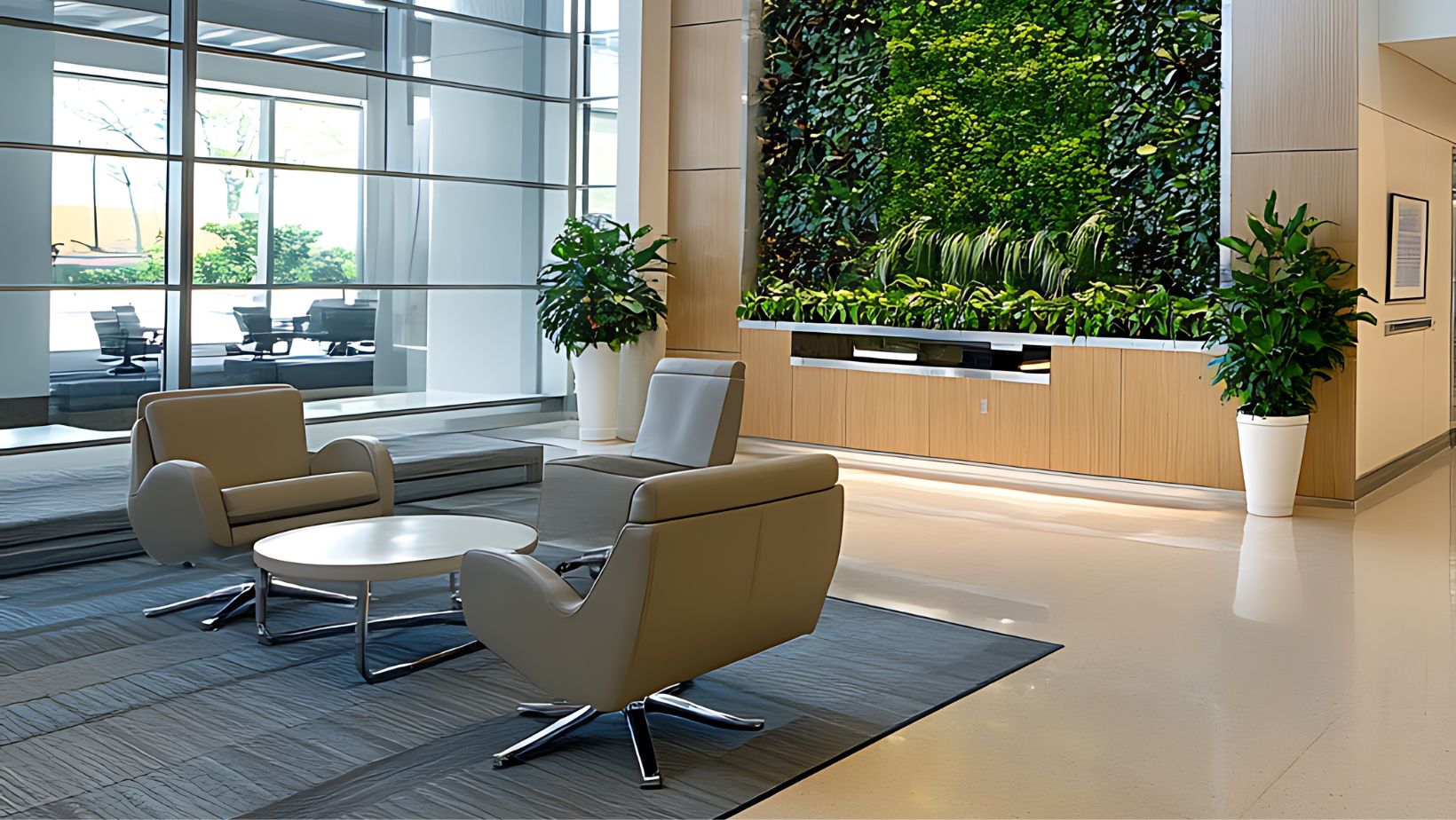
Interior seating plays a defining role in reinforcing brand identity. The most successful hospitality interiors rely on restraint rather than excess. Proportion replaces ornament. Texture replaces pattern. Neutral palettes allow form and material quality to take precedence over decoration.
When seating aligns seamlessly with architectural language, guests experience a sense of cohesion that feels effortless rather than constructed. This quiet clarity is often what distinguishes mature hospitality environments from those driven by trend alone.
Interior seating rarely demands attention, yet its influence is constant. When executed with discipline and intention, it becomes the silent language through which hospitality spaces communicate comfort, quality, and care.