Phone:
(701)814-6992
Physical address:
6296 Donnelly Plaza
Ratkeville, Bahamas.

Phone:
(701)814-6992
Physical address:
6296 Donnelly Plaza
Ratkeville, Bahamas.
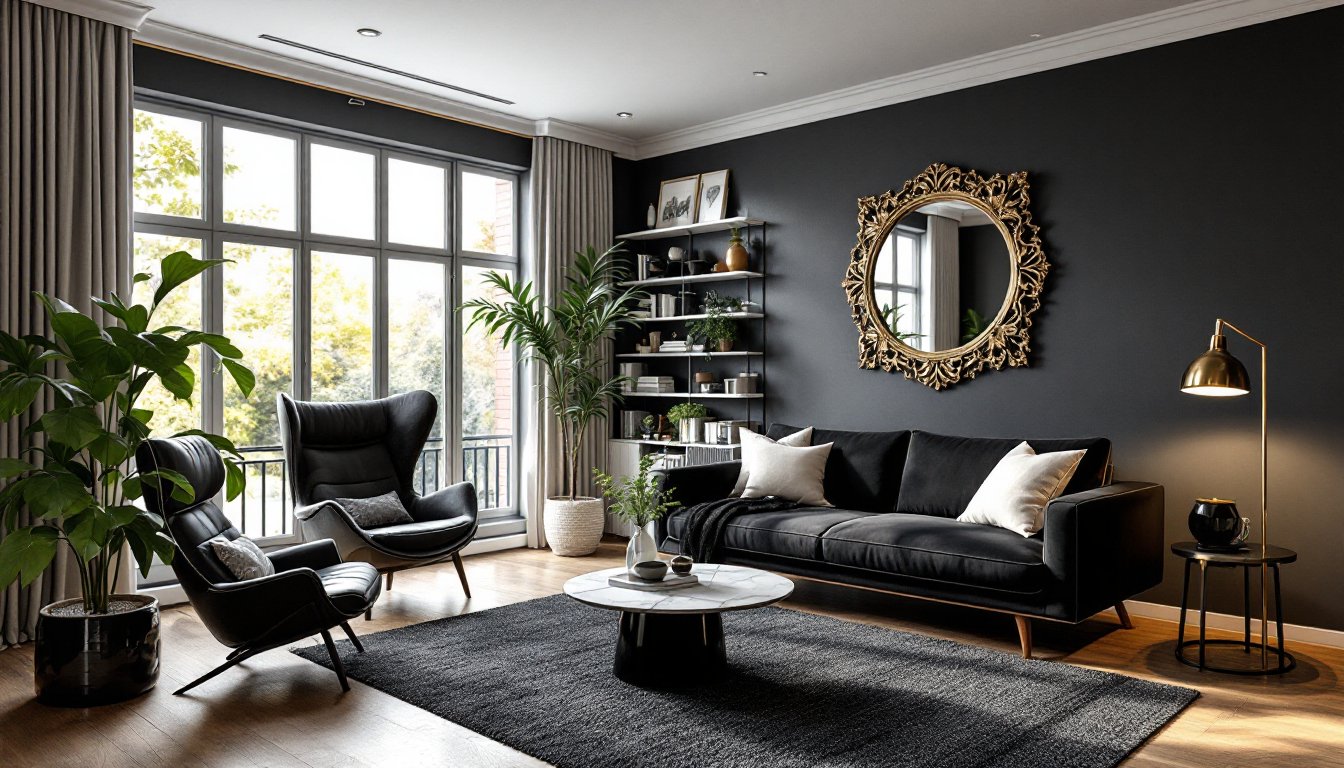
Black decor in living rooms has evolved from a risky design choice to a hallmark of modern sophistication. When executed properly, black creates depth, drama, and a timeless elegance that lighter palettes struggle to match. The key is understanding how to balance darkness with light, texture, and intentional color pairings. This guide walks through seven practical strategies for incorporating black decor into living spaces, whether someone is working with a loft-sized great room or a compact apartment. From furniture selection to lighting placement, these approaches help homeowners create spaces that feel both inviting and refined.
Black anchors a room visually in ways that beige or gray simply can’t. It creates contrast that makes architectural details pop, crown molding, coffered ceilings, or built-in shelving all gain definition when paired with black walls or furnishings.
From a design perspective, black absorbs light rather than reflecting it, which reduces glare and creates a cocoon-like atmosphere. This makes it particularly effective in media rooms or spaces designed for evening entertaining. It also hides imperfections in walls better than lighter shades, though surface prep still matters for a professional finish.
Psychologically, black conveys confidence and intentionality. A living room with black elements signals that the homeowner made deliberate choices rather than playing it safe with builder-grade neutrals. It pairs well with nearly every other color on the spectrum, making it a versatile foundation.
One practical advantage: black hides wear and tear. Dark upholstery won’t show fading from sunlight as quickly as lighter fabrics, and black trim won’t reveal scuff marks the way white baseboards do. For households with pets or kids, this durability factor matters.
Dark rooms require more intentional lighting than their lighter counterparts. The goal is layered illumination, ambient, task, and accent lighting working together.
Recessed lighting should be spaced closer together than standard recommendations. For an 8-foot ceiling, fixtures placed 4 feet apart (rather than the typical 5-6 feet) compensate for light absorption. Use LED bulbs in the 3000K-3500K range to add warmth without the yellow cast of lower Kelvins.
Floor and table lamps become essential in black living rooms. Position them to highlight textures and create visual interest in corners that might otherwise disappear. Torchiere-style floor lamps bounce light off ceilings, which helps offset the light-absorbing qualities of dark walls.
Installing dimmer switches on all lighting circuits allows for flexibility. Bright light during the day prevents the room from feeling cave-like, while dimmed evening lighting enhances the moody atmosphere black decor provides.
For rooms with limited natural light, consider adding a large mirror opposite the main window. This doubles the available daylight and prevents the space from feeling oppressive. Mirrors with metallic frames (brass, bronze, or matte black) complement dark color schemes without introducing jarring contrasts.
Don’t neglect under-cabinet or shelf lighting if the room includes built-ins. LED strip lights (installed with aluminum channels for a clean look) add subtle illumination that showcases decorative objects while contributing to overall ambient light levels.
Not all black furniture serves the same design purpose. Matte black pieces absorb light and create a modern, understated look, while lacquered or glossy finishes reflect light and add glamour. Mixing both finishes in one room creates depth.
For seating, a black leather sofa (genuine or high-quality bonded) offers durability and develops a patina over time. Fabric options like velvet or linen provide softness but require regular maintenance. When selecting upholstery, check fabric weight, 12+ ounces per yard holds up better to daily use.
Coffee and side tables in black work best when they introduce material variety. A matte black metal frame with a wood or marble top prevents the room from feeling monochromatic. Glass tops keep the visual weight lighter, which helps in smaller spaces.
Black accent chairs in interesting shapes, wingback, barrel, or mid-century silhouettes, become focal points rather than blending into the background. Look for pieces with exposed wood legs in walnut or oak to break up the darkness.
Media consoles and shelving units in black work particularly well because they recede visually, letting the items displayed on them take center stage. Wall-mounted units reduce floor clutter and maintain clean sight lines, which is especially valuable in compact living rooms.
When purchasing black furniture, inspect it in similar lighting to the destination room. Showroom lighting often differs dramatically from residential conditions, and what looks rich in a store can appear flat at home.
Texture prevents black rooms from feeling flat or one-dimensional. The interplay between different materials catches light at varying angles, creating visual interest even within a dark palette.
Textiles offer the easiest way to add texture. Layer a black wool rug over hardwood, add velvet throw pillows to a leather sofa, or drape a chunky knit blanket over a chair arm. Each material reflects (or absorbs) light differently, creating subtle contrasts.
Wood elements in medium to dark tones, walnut, mahogany, or espresso-stained oak, add warmth without lightening the overall scheme. Exposed wood beams, floating shelves, or a live-edge coffee table introduce organic shapes that soften the room’s edges.
Metal accents in brass, copper, or brushed nickel provide reflective surfaces that break up the darkness. Cabinet hardware, picture frames, and light fixtures in these finishes add sparkle without demanding attention.
Stone and concrete bring industrial edge. A black marble fireplace surround, slate tile accents, or polished concrete flooring provide durability while reinforcing the sophisticated aesthetic. These materials also perform well in high-traffic areas.
Woven elements, rattan chairs, jute rugs, or wicker baskets, introduce natural texture that keeps black spaces from feeling cold or sterile. These organic materials add tactile variety and soften hard surfaces.
Avoid pairing too many smooth, glossy surfaces in one room. A balance of matte, semi-gloss, and textured finishes creates visual rhythm and prevents the space from reading as flat or monotonous.
Black functions as a neutral, which means it pairs successfully with virtually any color, but some combinations deliver more impact than others.
Black and white remains a classic for good reason. Crisp white trim, light-colored flooring, or white upholstery creates high contrast that feels clean and modern. This combination works particularly well in contemporary or Scandinavian-inspired spaces.
Black and warm neutrals (cream, tan, camel, or warm gray) soften the starkness while maintaining sophistication. This palette reads as approachable and works in both traditional and transitional interiors. Camel leather accents or oatmeal linen curtains balance black walls without fighting them.
Black and jewel tones (emerald green, sapphire blue, or deep burgundy) create a luxurious, moody atmosphere. Use these as accent colors in pillows, artwork, or a single statement chair. Too much jewel tone overwhelms, but strategic doses add richness.
Black and metallics (gold, brass, copper, or silver) deliver instant glamour. Metallic picture frames, light fixtures, or decorative objects catch light and prevent the room from feeling too heavy. Mix metal finishes for a collected-over-time look rather than a matching set.
Black and natural wood tones ground the space with organic warmth. Medium to dark woods work best, light pine or birch can look washed out against black. Exposed ceiling beams, hardwood floors, or a wooden accent wall add architectural interest.
For those wanting color but not commitment, removable accessories in mustard yellow, burnt orange, or terracotta offer flexibility. These warm tones pop against black backgrounds and can be swapped seasonally without repainting.
Contrary to popular belief, black works in small living rooms, it just requires thoughtful application.
Accent walls rather than four black walls prevent spaces from closing in. Choose the wall behind the sofa or the one featuring a fireplace. This creates a focal point without overwhelming the room. Use a semi-gloss or satin finish to reflect more light than matte paint would.
Vertical lines draw the eye upward, making ceilings feel higher. Black floor-to-ceiling curtains, tall bookshelves, or vertical paneling all create this illusion. Keep curtain rods mounted as close to the ceiling as possible.
Furniture with exposed legs maintains sight lines and prevents black pieces from appearing as solid masses. A sofa with visible legs creates visual flow underneath, making the room feel less crowded than skirted upholstery would.
Mirrors and glass become even more critical in compact spaces. A large mirror (minimum 36″ x 48″) reflects light and creates the illusion of depth. Glass coffee tables or acrylic accent chairs reduce visual weight while maintaining function.
Strategic black placement focuses dark elements where they’re most effective. Black window frames or door trim create architectural definition without sacrificing square footage. A black ceiling in a small room can actually make it feel taller by blurring the boundaries between wall and ceiling.
Limit pattern in small black rooms. Solid fabrics and simple textures prevent visual clutter. Save bold patterns for one or two accent pillows rather than covering the sofa in busy prints.
Black decor transforms living rooms from ordinary to exceptional when balanced with proper lighting, varied textures, and complementary colors. The sophistication it brings doesn’t require a massive budget, strategic black accents or a single feature wall can shift a room’s entire character. Homeowners should approach black as a design tool rather than a trend, testing paint samples in their actual lighting conditions and building the palette gradually. The result is a living space with depth, confidence, and lasting appeal.