Phone:
(701)814-6992
Physical address:
6296 Donnelly Plaza
Ratkeville, Bahamas.
Phone:
(701)814-6992
Physical address:
6296 Donnelly Plaza
Ratkeville, Bahamas.
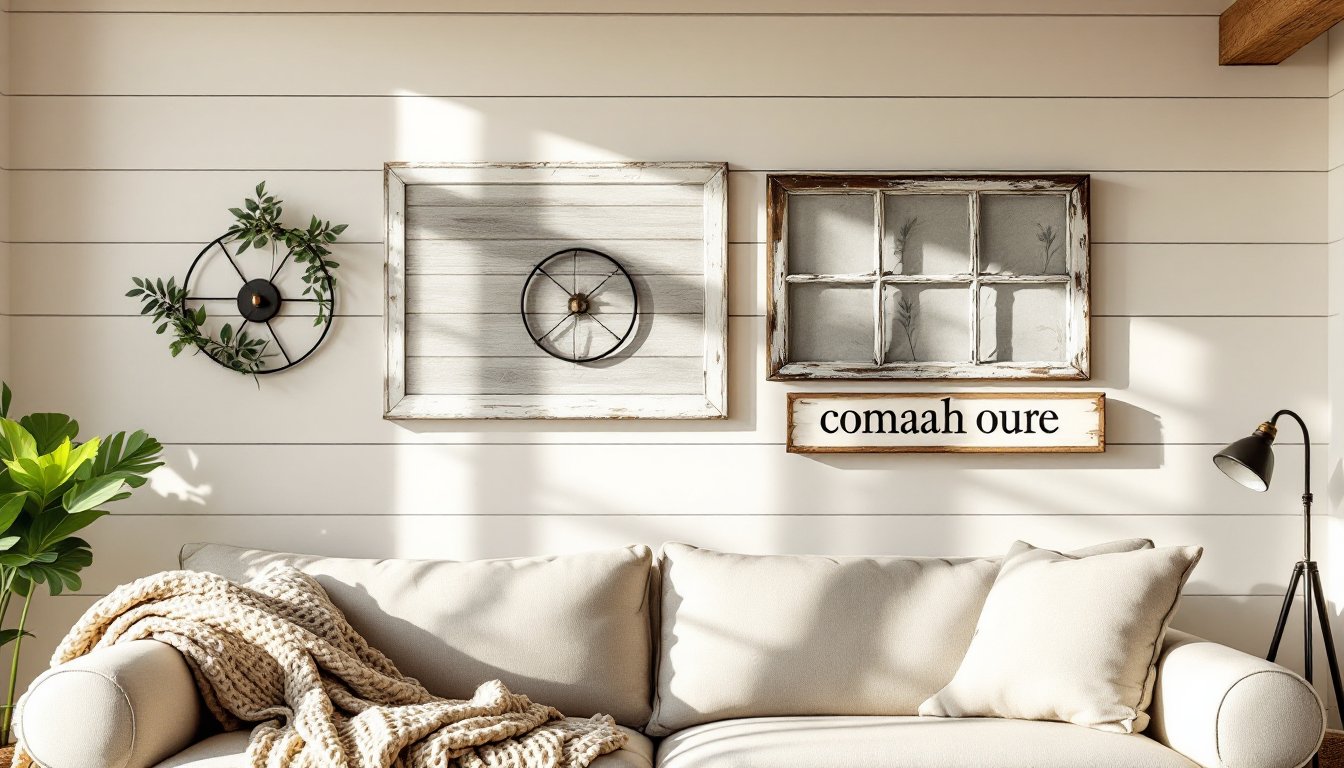
Country-style interiors have evolved beyond kitschy roosters and gingham overkill. In 2026, country wall decor brings warmth, texture, and a lived-in feel to living rooms without looking like a theme park. It works because it relies on natural materials, handcrafted details, and pieces with visible age or character. This style pairs reclaimed wood, vintage metal, and earthy tones to create walls that feel curated rather than bought in bulk. Whether someone’s working with a farmhouse already or softening a modern space, the right decor choices turn blank walls into focal points with actual presence.
Country decor thrives in living rooms because it’s forgiving, flexible, and doesn’t demand precision. Unlike styles that need exact symmetry or color-matched collections, country aesthetics embrace mix-and-match layering. A weathered barn wood frame works next to a vintage metal sign. Mismatched textures create depth instead of chaos.
The style also plays well with existing architecture. Exposed beams, shiplap, brick, or even plain drywall all serve as good backdrops. Country wall pieces don’t fight for attention, they complement what’s already there. Open floor plans benefit from the visual weight these items provide. A large rustic piece above a sofa anchors a seating area without requiring built-ins or heavy furniture.
Another advantage: most country wall decor is DIY-friendly or easy to source secondhand. Reclaimed wood projects, salvaged windows turned into frames, or thrifted metal pieces keep costs reasonable. Even new manufactured options tend to use accessible materials like MDF, pine, or galvanized steel, which are lighter and easier to hang than solid hardwoods or stone.
Finally, country decor ages gracefully. Scratches, fading, and patina add character instead of looking worn out. This makes it ideal for high-traffic living rooms where kids, pets, or everyday use would damage more delicate styles.
Wooden signs remain a staple, but current trends favor subtle messaging or no text at all. Oversized blank wood panels (often 3/4-inch pine planks or reclaimed barn siding) mounted horizontally create a textured backdrop without the cliché sayings. When text is used, routed or painted lettering in muted tones works better than vinyl decals, which can look cheap up close.
Shiplap-style panels installed as accent walls or large-scale frames bring dimension. A 4-foot-by-6-foot section behind a sofa, stained in weathered gray or left raw, provides a rustic canvas for layering smaller pieces. Use construction adhesive and finish nails for installation: drywall anchors won’t hold the weight long-term on anything over 20 pounds.
Reclaimed window frames (with or without glass) work as unconventional art displays. A six-pane window frame can hold family photos, botanical prints, or be left empty to showcase the wood grain and old paint. Mount these with heavy-duty picture hangers rated for 30+ pounds, especially if the glass is intact, old wavy glass adds authenticity but also adds weight.
For actual artwork, look for prints or paintings featuring rural landscapes, botanical line drawings, or farm animals rendered in neutral palettes. Frames should be simple: raw wood, distressed white, or black metal. Ornate gilded frames clash with country’s understated vibe.
Metal brings contrast to all the wood and fabric typical in country rooms. Wrought iron wall candle holders, once purely functional, now serve as sculptural elements. Look for pieces with hand-forged details or visible hammer marks, mass-produced smooth castings lack the same presence.
Galvanized metal objects, old watering cans, milk jugs, or farmhouse signs, mount easily and break up wood-heavy arrangements. A galvanized metal windmill decoration (common in the 24-to-36-inch range) makes a bold statement on a large wall without requiring multiple pieces. Ensure the mounting bracket can handle the weight: most need at least two wood screws into studs rather than drywall anchors.
Vintage advertising signs (reproductions are fine) in enamelware or tin add color and nostalgia without feeling overly themed. Choose designs that reference general stores, seed companies, or regional agriculture rather than modern brand logos. The patina should look earned, not artificially distressed with a wire brush.
Wrought iron grilles or architectural salvage pieces, like old gate sections or window guards, work as large-scale art. These are heavy (often 15-30 pounds) and need proper anchoring. Use a stud finder and install directly into studs with 3-inch wood screws or toggle bolts rated for the weight if studs aren’t positioned conveniently.
Arrangement matters more than the individual pieces. Country style benefits from asymmetrical gallery walls that feel collected over time. Start with one anchor piece, usually the largest item, and build outward. This could be a 4-foot wooden sign, a wrought iron mirror, or a vintage window frame.
Use the centerline method: align the vertical center of the grouping at 57 to 60 inches from the floor (standard gallery height). This keeps the arrangement at eye level for most people. Measure and mark lightly with pencil before committing to holes.
Layer different sizes and shapes. Combine a rectangular wooden sign with a round metal piece and a smaller square frame. Overlap slightly for a casual look, but maintain 2 to 4 inches of breathing room between most items so each piece reads clearly.
Odd-number groupings, three, five, or seven items, typically look more balanced than even numbers. If working with a large blank wall (like the space above a sectional), a set of three oversized pieces in a horizontal row works better than trying to fill the area with dozens of small objects.
Don’t ignore the space above doorways, windows, or built-ins. A narrow horizontal piece (like a vintage yardstick, a metal arrow, or a thin wooden shelf with small decor) uses otherwise wasted space and draws the eye upward, making ceilings feel higher.
For rooms with vaulted or angled ceilings, follow the roofline with your arrangement rather than forcing a level grid. Stepping pieces upward with the angle looks intentional: fighting it looks awkward.
Country palettes lean heavily on neutrals with warm undertones: weathered grays, cream, beige, soft whites, and natural wood tones. Accent colors, when used, pull from nature: rust, sage green, dusty blue, or terracotta. Avoid bright primary colors or anything neon: they disrupt the aged, organic feel.
Wood choices affect the entire tone. Reclaimed barn wood (often gray or silver from weathering) reads cooler and more rustic. Fresh pine or cedar, stained in honey or walnut tones, skews warmer and more traditional. Whitewashed or pickled finishes split the difference, adding brightness without losing texture.
If painting wood pieces, use chalk paint or milk paint. Both distress naturally and create a matte, hand-done look. Skip high-gloss finishes, they look too polished for country aesthetics. A light sanding after painting reveals underlying wood in high-wear spots, mimicking authentic age.
Metal finishes should show some variation. Brand-new shiny galvanized steel looks out of place: lightly rusted or oil-rubbed bronze fits better. For DIY aging, a vinegar and salt solution applied to clean steel creates surface rust in 24 to 48 hours. Seal with a matte clear coat to prevent further degradation and rust transfer to walls.
Fabric elements, like burlap-backed frames or linen-matted prints, add softness but need to match the room’s durability needs. Living rooms with pets or kids should avoid delicate textiles that snag or stain easily. Stick with tightly woven materials or skip fabric altogether in favor of wood and metal.
When mixing materials in one arrangement, limit the palette to three: for example, natural wood, black metal, and white-painted elements. Adding more creates visual clutter rather than the curated, collected look country decor aims for.
Country wall decor works because it prioritizes authenticity and texture over trends. By choosing pieces with real materials, proper installation, and thoughtful arrangement, anyone can create a living room that feels grounded and inviting. Start with one strong anchor piece, build from there, and let the imperfections do the talking.