Phone:
(701)814-6992
Physical address:
6296 Donnelly Plaza
Ratkeville, Bahamas.

Phone:
(701)814-6992
Physical address:
6296 Donnelly Plaza
Ratkeville, Bahamas.
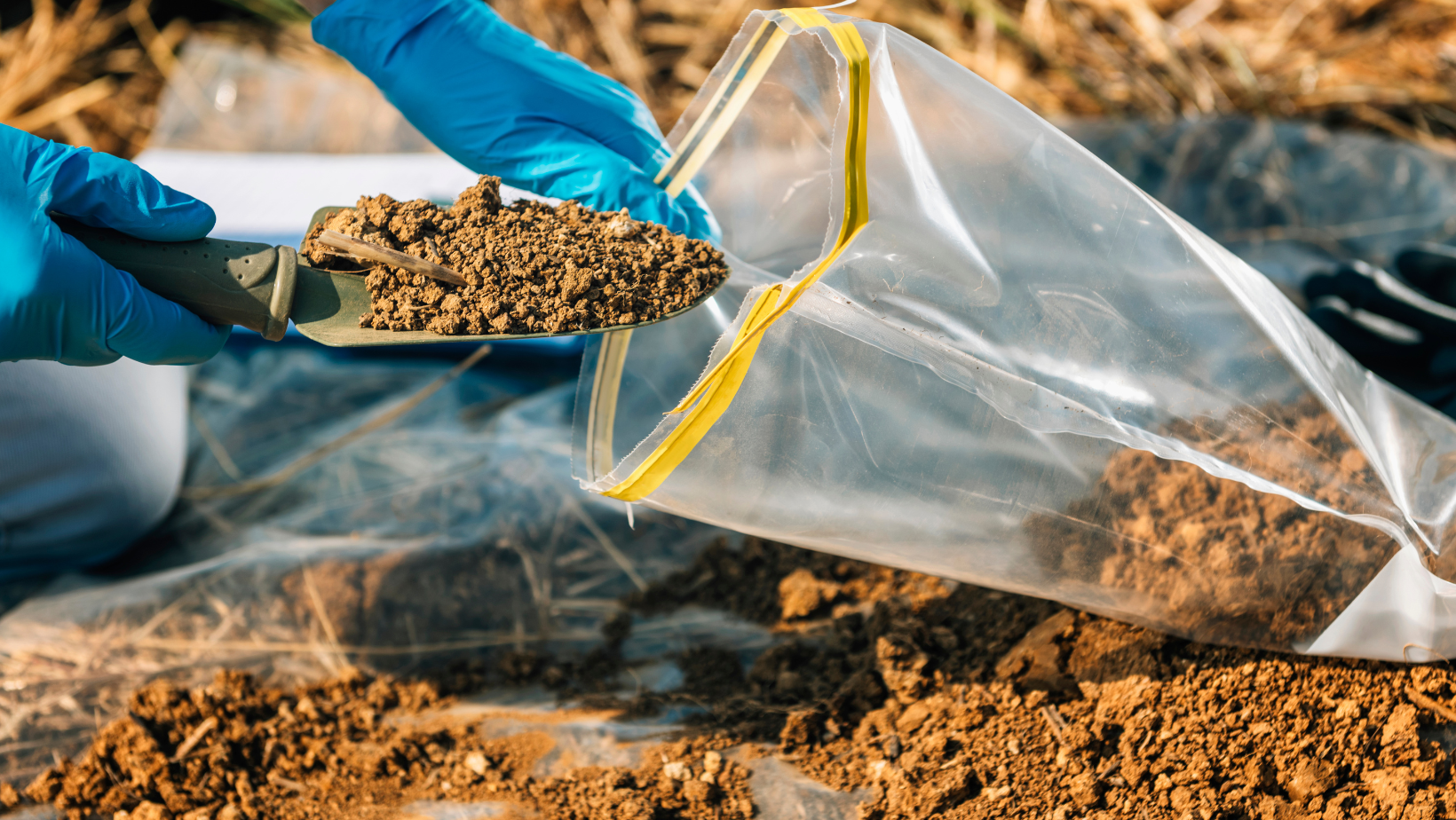
You’re about to spend thousands on a new deck, and honestly? The last thing you want is for it to sink, shift, or crack in a few years. That’s where soil testing comes in. It’s not the flashiest part of building a deck, but it might be the most important. Professional deck contractors know this, which is why they won’t skip this step, and neither should you.
Think of it this way: you wouldn’t build a house without checking the foundation, right? The same goes for your deck. The ground underneath needs to handle serious weight, from the structure itself to all the furniture and people using it. If the soil can’t support that load, you’re looking at expensive repairs down the road.
Different soil types hold different amounts of weight. Clay soil, for example, can typically handle around 1,500 lbs per square foot. Sandy soil does a bit better at 2,000 lbs per square foot. Gravel? That’s the heavyweight champion, supporting up to 5,000 lbs per square foot.
But here’s the thing. Soil doesn’t stay the same year-round. Clay expands when wet and shrinks when dry. Sandy soil can shift around, especially during heavy rains. These changes can wreak havoc on your deck if the footings aren’t designed to handle them.
Most building codes actually require some form of soil analysis before you can get a permit. Inspectors want proof that your footings match the ground conditions. Skipping this step could mean delays, failed inspections, or worse: getting halfway through the build and discovering the ground can’t support your deck. That’s when costs really start piling up.
Testing the soil now saves money later. Period. You’ll know exactly what kind of footings you need, how deep to dig, and whether you need extra support. It’s a small investment that protects a much bigger one.

Not all dirt is created equal. What’s hiding beneath your yard can make or break your deck project. Here’s what each soil type brings to the table (and the headaches that come with it).
Clay soil is tricky. It holds moisture like a sponge, which means it swells up when wet and contracts when dry. This constant movement can push footings up or pull them down over time. In colder climates, clay is especially prone to frost heave, when the ground freezes and literally lifts your deck. If your yard has clay, expect to dig deeper footings and possibly add drainage systems to keep water away from the base.
Sandy soil drains well, which is great for preventing water buildup. But it’s not the best at holding weight. Sandy soil tends to shift, especially under heavy loads. Contractors working with sandy conditions usually recommend wider footings, around 20 to 24 inches in diameter, to spread the weight over a larger area. Compacting the soil before pouring concrete also helps stabilize the base.
Rocky ground is stable, no doubt about it. If your property has rocky or gravelly soil, you’re in luck. It can handle serious weight without shifting. The downside? Digging through rock is tough. You might need specialized equipment or helical piles that screw into the ground instead of traditional concrete footings.
Mixed composition is what most yards actually have. You might hit clay in one spot, sand in another, and rock somewhere else. Mixed soil is unpredictable, which is exactly why testing matters. Without knowing what’s under the surface, there’s no way to design footings that’ll work across the whole deck.
So how do contractors actually figure out what’s underground? There are a few methods, depending on how complex your project is. Here’s what professional deck contractors use to get accurate results:
● Hand Auger Test: This is the most common method for residential decks. A technician uses a hand-operated auger to drill down and pull up soil samples. They’ll check the layers, texture, and moisture content right on site. It’s quick, affordable, and gives a good snapshot of what you’re working with.
● Standard Penetration Test (SPT): For trickier conditions like high water tables or loose fill, the SPT is the go-to. A pipe is driven into the ground with a weighted hammer, and the resistance is measured. This tells the contractor how dense and stable the soil is at different depths.
● Laboratory Analysis: Sometimes soil samples get sent to a lab for detailed testing. The lab measures the exact bearing capacity, moisture content, and soil composition. Results usually come back within a week, giving contractors precise numbers to work with.
● Site Assessment Process: The testing process starts with marking where each footing will go. Technicians take samples at multiple depths to see how the soil changes underground. Everything gets documented so the contractor has a clear picture of the ground conditions before breaking ground.
Once the soil report comes back, contractors use it to design footings that match your specific conditions. The report will include the soil’s bearing capacity, basically how much weight it can safely hold per square foot.
If the soil’s weaker than expected, you’ll need adjustments. Maybe that means digging deeper, below the frost line, so the footings don’t shift during freeze-thaw cycles. Or it might mean making the footings wider to distribute the load over a bigger area.
In really unstable soil, contractors might recommend helical piles. These are basically giant screws that go deep into the ground until they hit stable soil or bedrock. They cost more than standard concrete footings, but they’re sometimes the only way to build safely.
The test results also influence material choices. For instance, if your soil retains a lot of moisture, the contractor might suggest pressure-treated lumber or composite materials that resist rot better than standard wood.
Every soil type needs a different approach. Here’s how the pros adjust their plans based on what the soil test reveals.
● For clay soils, extra drainage is a must. Contractors often install gravel beds around footings or add drain tiles to channel water away. Footings are made wider to handle the expansion and contraction. Some contractors also slope the ground slightly so water doesn’t pool near the deck.
● For sandy conditions, compaction is key before the concrete goes in. Contractors might use a plate compactor to pack the soil tight. Wider footing pads help spread the load. Some also lay geotextile fabric and a gravel base to keep the footings from sinking over time.
● For high water tables, you need footings that go deep enough to reach stable ground. Helical piles work well here. Contractors also add extra waterproofing and ensure drainage systems keep moisture away from the deck’s base.
● For sloped or uneven terrain, slopes complicate things because each footing might sit at a different elevation. Contractors use multi-level footing systems, adjusting depths to keep everything level. Sometimes this means engineering solutions like retaining walls or terraced footings to stabilize the ground.

Here’s something most homeowners don’t realize until it’s too late. Most cities and counties won’t issue a deck permit without a soil report. Building codes exist for a reason; they keep structures safe. If your footings don’t meet code, the inspector will flag it during the site visit. That means stopping work, fixing the problem, and waiting for another inspection.
Skipping soil testing can lead to fines or even having to tear out footings and start over. Not fun. A proper soil test keeps your project on schedule and helps you avoid headaches with the building department.
Plus, having documentation protects you if something goes wrong later. If the deck shifts or settles, you’ll have proof that the footings were designed correctly based on the soil conditions.
Sometimes a basic soil test isn’t enough. If you notice any of these warning signs, your contractor might recommend a more in-depth analysis:
These issues suggest the ground might not be stable. Better to know before you build than to deal with a failing deck later.
Soil testing isn’t glamorous, but it’s the foundation (literally) of a deck that lasts. Experienced builders don’t skip this step because they know what can happen if you guess wrong. Spending a few hundred bucks now on testing can save you thousands in repairs down the line.
If you’re planning a deck, ask your contractor about soil testing from the start. Make sure they’ll provide a detailed report and explain how the results affect your footing design. A deck built on solid ground (pun intended) is one you’ll enjoy for decades without worrying about it shifting, sinking, or cracking.