Phone:
(701)814-6992
Physical address:
6296 Donnelly Plaza
Ratkeville, Bahamas.
Phone:
(701)814-6992
Physical address:
6296 Donnelly Plaza
Ratkeville, Bahamas.
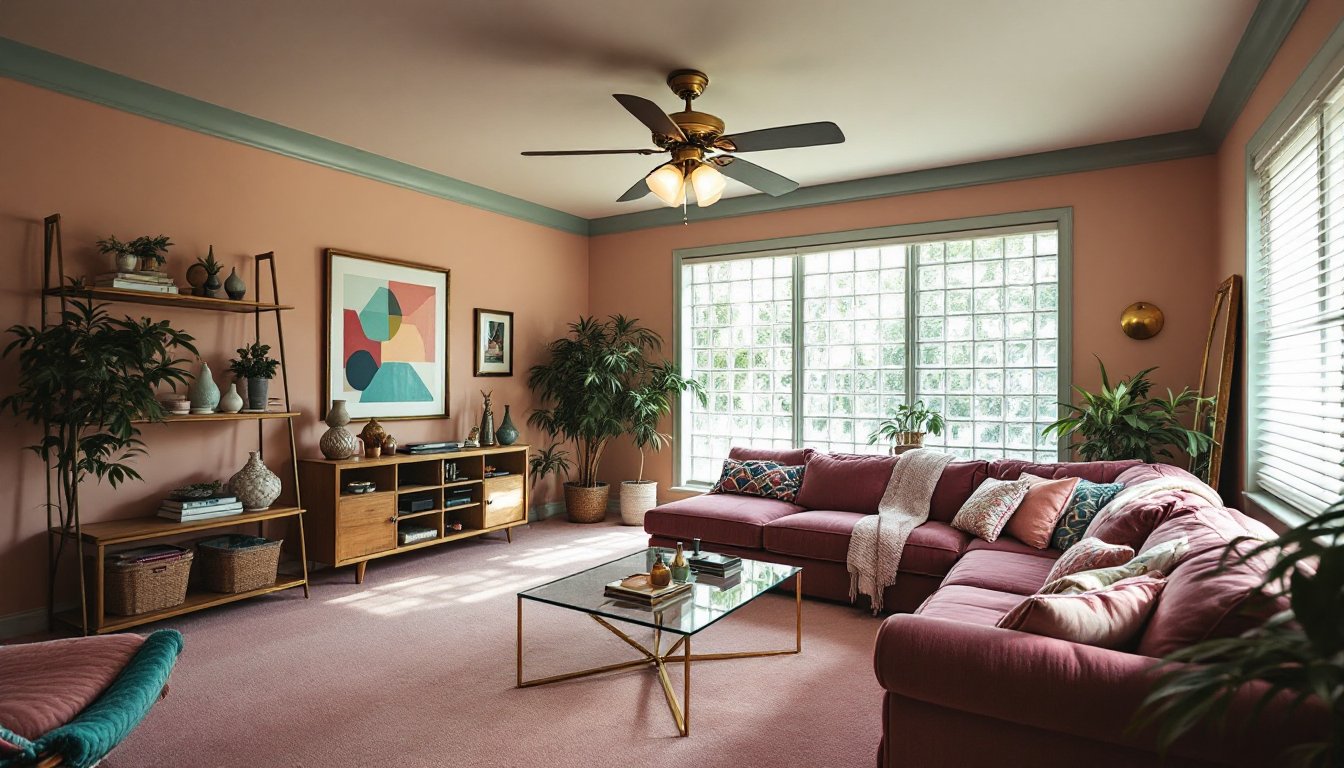
The 1980s left an unmistakable mark on interior design, bold geometry, unapologetic color, and a love affair with glass and chrome. For homeowners looking to capture that era’s distinctive energy, recreating an authentic ’80s living room means understanding the decade’s design language beyond pastels and neon. It’s about brass accents, oversized furniture, and patterns that don’t apologize for taking up space. Whether renovating a period home or injecting retro flair into a modern space, nailing the details separates genuine ’80s aesthetic from costume-party kitsch. This guide walks through the specific elements that defined the decade’s living rooms and how to source or recreate them today.
The 1980s living room was defined by excess and optimism, more was more. Designers embraced modular furniture, entertainment centers built to house bulky TVs and VCRs, and conversation pits that created sunken seating areas. Materials skewed synthetic: laminate wood-grain finishes, Formica countertops in bold colors, and acres of polyester upholstery.
Glass block windows and room dividers brought architectural drama without sacrificing light. These 8-inch square blocks (standard nominal size) were often installed in non-load-bearing walls or as accent features. Mirrored walls expanded small spaces visually, often installed as 12″×12″ or larger mirror tiles with beveled edges.
Track lighting replaced traditional ceiling fixtures, offering adjustable spotlights aimed at art or architectural features. Ceiling fans with brass or oak finishes became standard, often paired with frosted glass globe shades. Wall-to-wall carpeting in sculpted or plush textures covered hardwood floors that wouldn’t be rediscovered until the 2000s.
The era prioritized dedicated entertainment zones. Massive oak or laminate entertainment centers consumed entire walls, featuring compartments for components that would fit in a smartphone today. These weren’t just furniture, they were architectural statements, often reaching 6-7 feet tall and 5-6 feet wide.
Mauve, dusty rose, and teal formed the holy trinity of ’80s color schemes. These weren’t accent colors, they dominated entire rooms. Walls in peach or seafoam green were common, often in flat or eggshell finishes rather than the satin or semi-gloss popular today.
Jewel tones emerged mid-decade: emerald green, sapphire blue, and ruby red appeared in upholstery and accessories. These were frequently paired with gray (especially dove gray) or off-white neutrals, not the stark white or greige of modern palettes.
Geometric prints ruled fabric and wallpaper. Think Memphis Group-inspired designs: squiggles, triangles, and abstract shapes in clashing colors. Wallpaper borders at chair-rail height (typically 32-36 inches from the floor) featured coordinating geometric or floral patterns, often 6-10 inches wide.
Chintz fabrics, glazed cotton with oversized floral prints, covered sofas and drapes. Vertical blinds in mauve, dusty blue, or white PVC replaced curtains in many homes, with individual slats measuring 3.5 inches wide.
Color blocking appeared in unexpected places: bi-color walls with the upper two-thirds in one shade and the lower third in a coordinating (or clashing) color, divided by a chair rail or painted stripe. Southwestern patterns gained traction late-decade, terracotta, turquoise, and coral in geometric Native American-inspired designs.
Sectional sofas in L or U configurations defined seating arrangements. These weren’t the sleek modular units of today, ’80s sectionals featured pillow-back cushions, rolled arms, and frames hidden beneath floor-length skirts or pleated valances. Upholstery typically used velour, corduroy, or textured polyester blends in mauve, teal, or tan.
Glass-topped coffee tables with brass or gold-tone bases served as living room centerpieces. Common designs included geometric frames, faux bamboo, or waterfall-edge glass (thick, 3/4-inch tempered glass with polished edges). Pair these with nesting tables in similar finishes, sets of two or three that tucked together when not in use.
Oak entertainment centers in medium to honey finishes housed electronics. Look for units with adjustable shelving, cabinet doors with brass hardware, and wire management cutouts (a new feature for the era). Reproduction pieces should measure at least 60 inches wide to feel period-appropriate.
Étagères, open shelving units with glass or brass frames, displayed collectibles and plants. These freestanding units typically stood 60-72 inches tall with 4-5 shelves.
Recliner chairs in overstuffed designs, often in leather or faux leather, became mainstream. Papasan chairs, bowl-shaped rattan frames with thick cushions, offered bohemian seating, typically 45-48 inches in diameter. Both demand significant floor space and won’t work in rooms under 200 square feet without crowding.
Decorative accessories in the ’80s leaned heavily into shiny metallics and oversized scale. Brass accents appeared everywhere: picture frames, candlestick holders, table lamps with marble bases, and floor-standing torchiere lamps with dimmer switches.
Artificial plants ruled. Silk ficus trees in woven baskets, dried pampas grass in floor vases, and pothos vines in macramé hangers required zero maintenance. Real plants took second place to these permanent installations.
Large-scale art prints in geometric or abstract styles hung in chrome or brass frames with wide mats (often 4-6 inches of matting around modest prints). Framed mirrors with beveled edges and ornate gold or brass frames created focal points, sometimes reaching 36×48 inches or larger.
Decorative plates arranged on walls, displayed on brass plate stands, or hung with decorative plate hangers showcased collectible series. Wall sculptures in brass or copper featuring abstract designs, sunbursts, or birds in flight added dimension.
Ceramic figurines, especially pastel-colored sculptures of animals or abstract forms, clustered on shelves and tables. Glass block accents weren’t limited to architecture, smaller decorative pieces doubled as bookends or display platforms.
Throw pillows in geometric patterns, often 18×18 inches or larger, piled on sofas, not carefully arranged, but abundantly scattered. Afghan blankets in jewel tones or earth tones draped over furniture arms.
Blending ’80s elements into contemporary spaces requires selective restraint, choose one or two signature features rather than full-scale recreation. Start with accent pieces that won’t overwhelm neutral modern backdrops.
Use color strategically. Instead of painting entire walls mauve, introduce the palette through throw pillows, area rugs, or a single statement chair. A teal velvet accent chair or dusty rose sofa can anchor a room without requiring wallpaper removal later.
Mix metallic finishes. Pair brass table lamps or gold-framed mirrors with modern matte black or brushed nickel hardware elsewhere. This prevents the space from feeling like a time capsule.
Geometric patterns work best in small doses. A single Memphis-style throw pillow or area rug adds period flavor without visual chaos. Avoid matching geometric wallpaper, upholstery, and accessories in the same room.
Modernize ’80s furniture shapes. Contemporary manufacturers produce sectionals with clean lines that echo ’80s proportions without the dated skirts and busy upholstery. Look for low-profile sectionals in velvet or chenille fabrics in period colors.
Trade vertical blinds for updated window treatments, but keep the concept, panel track blinds in neutral linen offer similar functionality with modern aesthetics. If committed to the look, wooden vertical blinds split the difference.
Lighting updates matter. Swap outdated track lighting for adjustable LED spotlights or modern track systems in black or brushed finishes that maintain the directional concept without the brass.
Be honest about scale. ’80s furniture was built for larger rooms. A 120-inch sectional won’t work in a 12×14-foot living room, regardless of nostalgia.
Estate sales and auctions in suburbs built during the 1980s construction boom yield authentic pieces. Search neighborhoods with ranch homes and split-levels built between 1980-1989. Sellers often liquidate entire rooms of period-correct furniture.
Facebook Marketplace and Craigslist require patience but offer local pickup options for heavy items like entertainment centers and sectionals. Search terms: “oak entertainment center,” “brass and glass table,” “mauve sofa,” or “vintage 1980s.”
Etsy features vintage dealers specializing in ’80s decor, brass accessories, geometric pillows, and ceramic figurines ship more easily than furniture. Filter searches by decade and read seller descriptions carefully about condition and measurements.
Chairish and 1stDibs offer authenticated vintage and high-end ’80s designer pieces. Expect higher prices but better quality, genuine Memphis Group designs or Milo Baughman brass and glass tables command premiums for good reason.
ReStore locations (Habitat for Humanity resale stores) occasionally stock brass light fixtures, mirrored tiles, and cabinet hardware removed from renovations. Inventory varies wildly by location.
West Elm, CB2, and Article occasionally produce velvet sectionals and brass accent tables that channel ’80s aesthetics with modern construction. Wayfair and Overstock offer budget-friendly glass and metal furniture in styles that evoke the era.
Wallpaper companies like Spoonflower and Walls Need Love print Memphis-style patterns and geometric designs on demand. Custom printing allows for testing small sections before committing.
For glass block, check architectural salvage yards or order new from Pittsburgh Corning or Seves Glass Block, installation requires a pro unless experienced with masonry. Most applications aren’t load-bearing but verify with local code before cutting openings in existing walls.
Recreating 1980s living room decor succeeds when homeowners commit to the era’s specific materials, proportions, and color logic, not just surface-level pastels. Whether going all-in on an authentic period room or selectively integrating brass, glass, and bold geometry into a modern space, the details matter. Source pieces that reflect genuine ’80s construction and design philosophy, balance scale with room dimensions, and don’t apologize for the unapologetic maximalism that defined the decade. The result should feel intentional, not accidental, retro revival, not thrift store overflow.