Phone:
(701)814-6992
Physical address:
6296 Donnelly Plaza
Ratkeville, Bahamas.

Phone:
(701)814-6992
Physical address:
6296 Donnelly Plaza
Ratkeville, Bahamas.
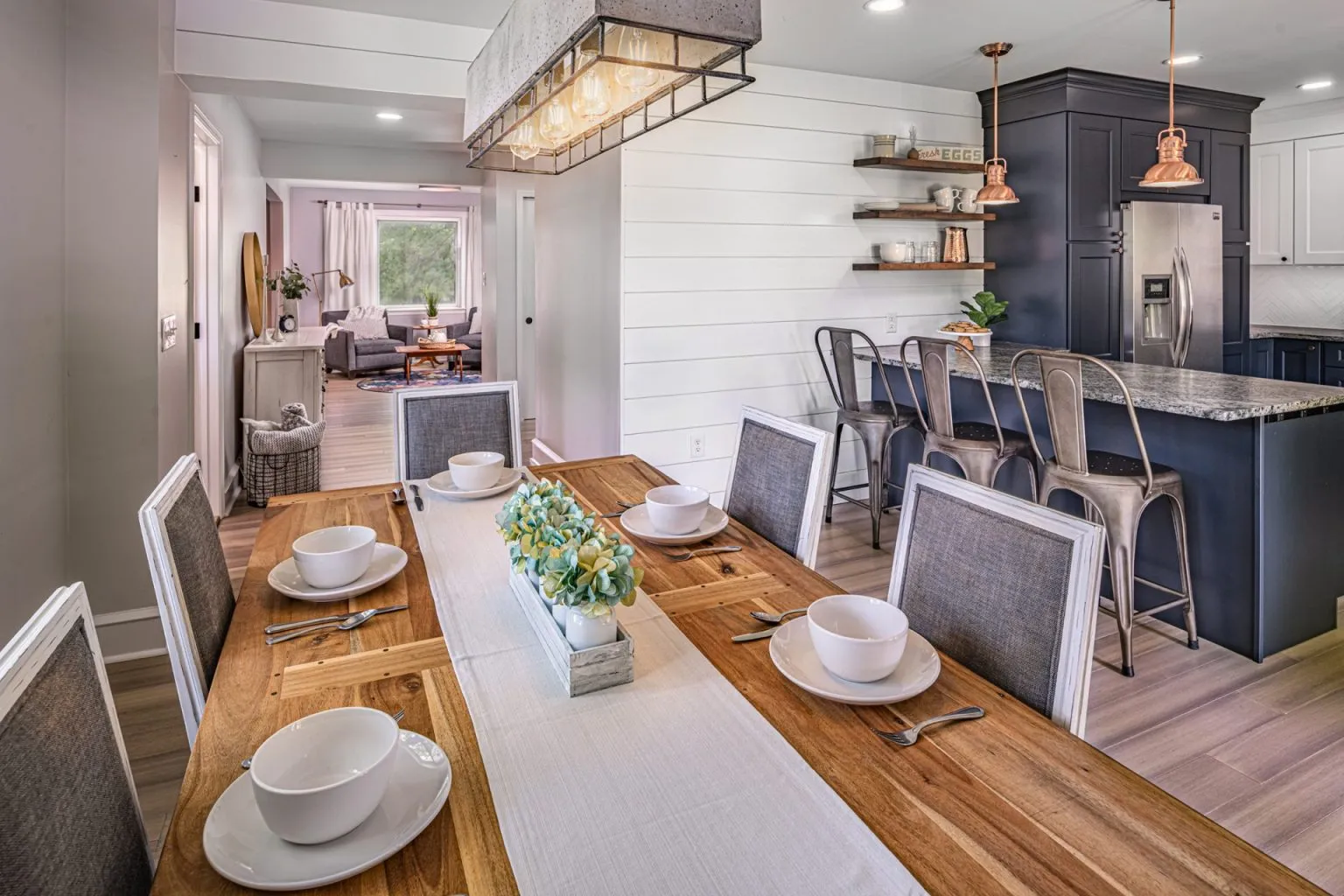
Full renovations are expensive and time-consuming. However, most homes have real functional problems that don’t require tearing anything out to solve. Targeted improvements that you chose for how the space actually gets used can change how a home feels to live in without the cost or complexity of starting over. Here is where to focus.
The most common mistake homeowners make when improving their homes is spending on surface finishes before addressing how the space actually functions. New paint and updated hardware make a room look better. They rarely make it work better.
Before committing to any upgrade, it’s worth asking whether the room itself is set up correctly. Is there enough storage for what the space needs to hold? Does the furniture placement allow for easy movement? Is the lighting doing what it needs to do for how you use the room?
These questions are cheaper to answer before any money is spent than after. A layout adjustment or a storage solution often solves the problem that a cosmetic upgrade was supposed to fix.
A home that doesn’t have enough storage immediately shows it. Surfaces collect clutter. Rooms feel smaller and harder to manage. The problem compounds over time in ways that affect daily life more than most homeowners might expect.
Better-organized closets and cabinetry built with purpose in mind in kitchens and bathrooms are among the highest-impact improvements available per dollar spent. They change how a home functions every day without touching its structure or requiring any significant construction. In kitchens specifically, pull-out shelving and better use of vertical space can transform how the room works without touching a single cabinet door. In bathrooms, a vanity with adequate storage space solves more problems than a full tile replacement.
Most homes don’t have enough light, and it’s one of those things that’s easy to stop noticing. A single overhead fixture creates flat, even light that makes a space feel smaller and less comfortable to spend time in.
Adding task lighting in kitchens and warmer ambient lighting in living areas improves both the function and the feel of each room. These are relatively modest investments that have a noticeable effect on how much time people actually want to spend in a space.
Lighting is also one of the improvements most worth planning before finishing any other renovation work in a room. Adding it after walls and ceilings are finished costs more and produces worse results than building it into the project in advance.
Heating and cooling are the systems that affect daily comfort most directly. And they’re the ones most homeowners put off addressing until something breaks.
An HVAC system that isn’t performing efficiently makes every room harder to live in, regardless of how you decorate it. Uneven temperatures between floors and rooms that are consistently too humid are signs the system needs attention.
According to the US Department of Energy, heating and cooling account for nearly half of the average home’s energy use. Upgrading to a more efficient system or improving insulation in key areas can reduce that cost significantly and improve comfort throughout the home year-round.
Functional improvements aren’t limited to the inside of a home. Gutters that aren’t draining properly, siding with visible damage, and windows that are no longer sealing correctly all affect the interior over time. Moisture gets in, and heat escapes. This type of damage builds up slowly until it requires more than a simple fix.
Addressing these issues before they cause interior damage is almost always cheaper than addressing them after. A home that is well-maintained on the outside requires less renovation work on the inside and holds its value more consistently as the years go on.
Some functional improvements are well within a homeowner’s abilities. Electrical work, plumbing changes, and HVAC servicing are jobs where professional help produces better results and avoids mistakes that are costly to undo.
For homeowners who want to find the right specialist without spending weeks on the search, FixiHouse narrows the search before the first call. The service connects each inquiry to a local specialist whose work fits the specific job. Getting the right person makes a real difference in how the finished work holds up.
The sequence in which improvements are made affects both the cost and the outcome. Addressing structural and systems issues first protects the investment made in any cosmetic work that follows. Improving storage and layout before updating finishes means the visual changes are solving real problems rather than covering them up.
Homeowners who approach functional improvements in the right order spend less overall and end up with results that hold up longer.